The Trench Mistake That Turns a Remodel-Time Pool Into Two Renovations
One shared trench, one shared driveway, and one decision most homeowners make far too late.

Part 1 of 3 in the series The Pool Nobody Warned You About: A Homeowner's Guide to Building Water Into a Remodel.
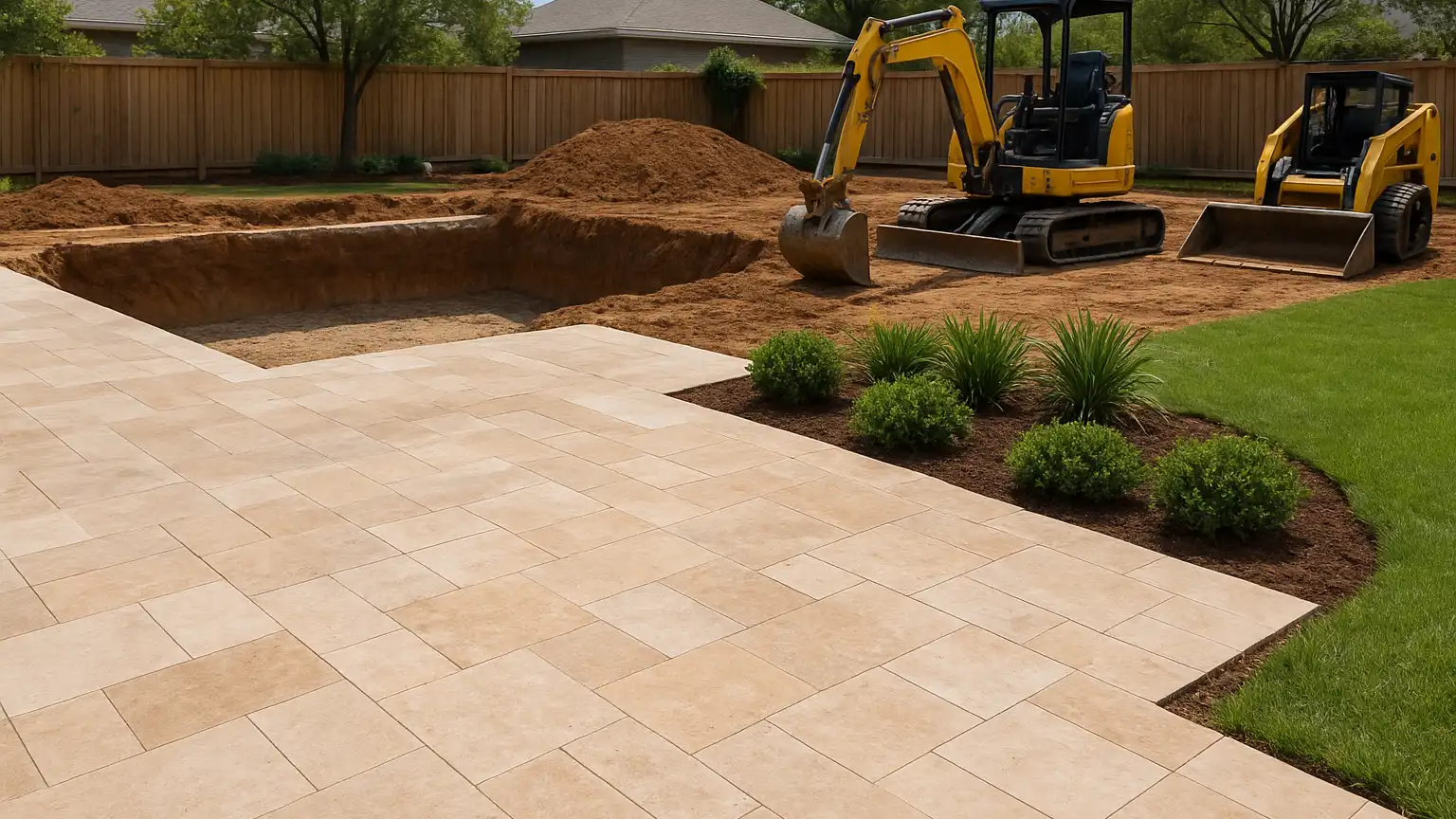
There is a moment in almost every home remodel when someone says it out loud. The yard is already torn up, there is a dumpster in the driveway and a portable toilet by the fence, and someone looks at the dirt and says, "While we're at it, should we just do the pool now?"
That question is worth more money than most homeowners realize. Asked at the right time, it can shave weeks off a schedule and cut thousands in duplicated labor. Asked three months too late, it turns one messy project into two separate renovations, with the second one paying to undo parts of the first. This series was shaped in part by insights from the team at Dolphin Pools, whose field experience with backyard builds informs much of what follows about sequencing, access, and the quiet decisions that set the tone for everything after.
It also helps to spend a minute on questions arizona homeowners need before settling on an approach.
Over three parts, we are walking through building a pool during an active remodel, adding one after the remodel is finished, and the budgeting, permitting, and contract moves that keep either path from stalling. This first part is about the earliest fork in the road, and it usually comes down to something as unglamorous as a trench and a driveway.
Why the Dirt Work Is the Real Decision
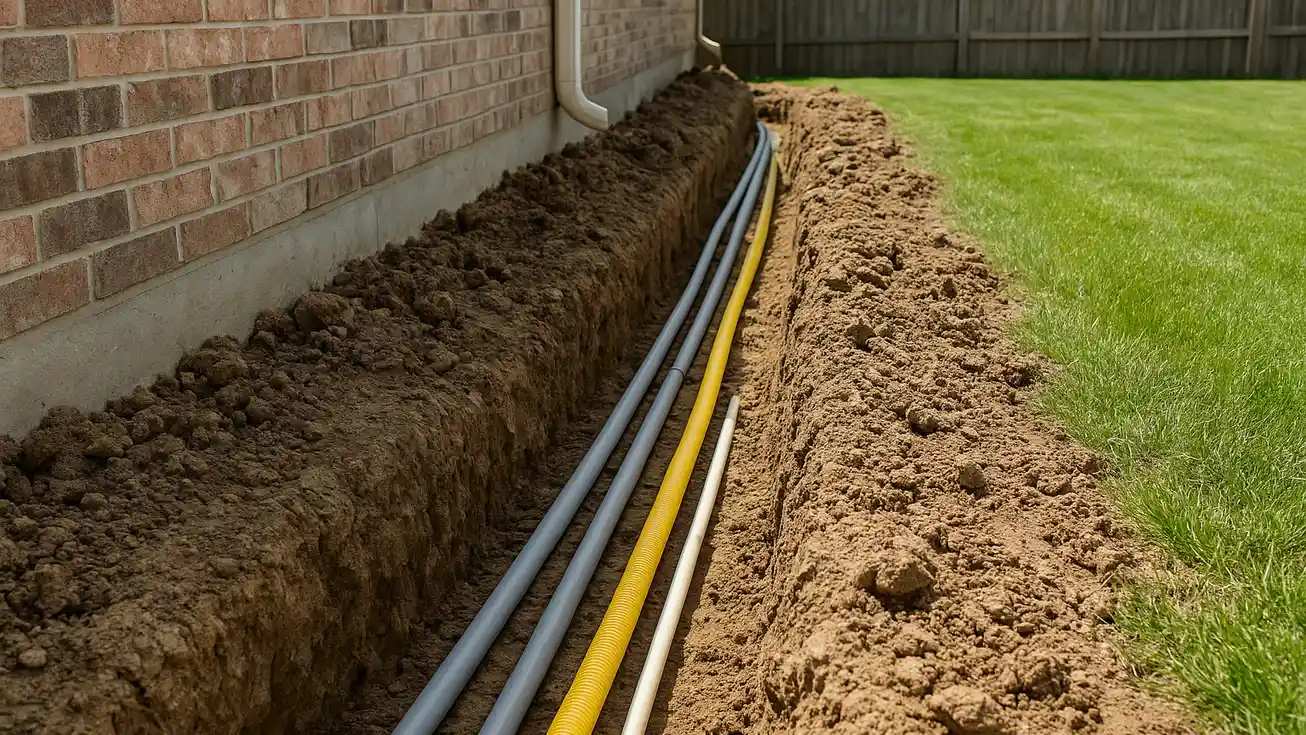
Homeowners think of a pool as a shell in the ground. Contractors think of it as a utility project that happens to hold water. Every pool needs electrical service for the pump and lights, a gas line if you want heat, water supply, a bonding grid, and sometimes a sewer connection for backwash. A remodel that touches the kitchen, an addition, or an outdoor living space is usually running some of those same lines. When both projects trench separately, you pay twice for the same hole. When they share, you pay once. That is the whole idea in a sentence, and it is also the thing that gets missed, because the pool decision arrives after the remodel plans are already stamped.
When it comes to hiring a quality carpet cleaner, it's important to note that not all carpet cleaners are the same. You'll find some that are cheap, and you'll find some that charge an arm and a leg. The key, is finding a carpet cleaner that you feel comfortable and can . To do this, we've listed the top factors to keep in mind when looking to hire a carpet cleaner.
The Trench Mistake, Explained in Plain Terms
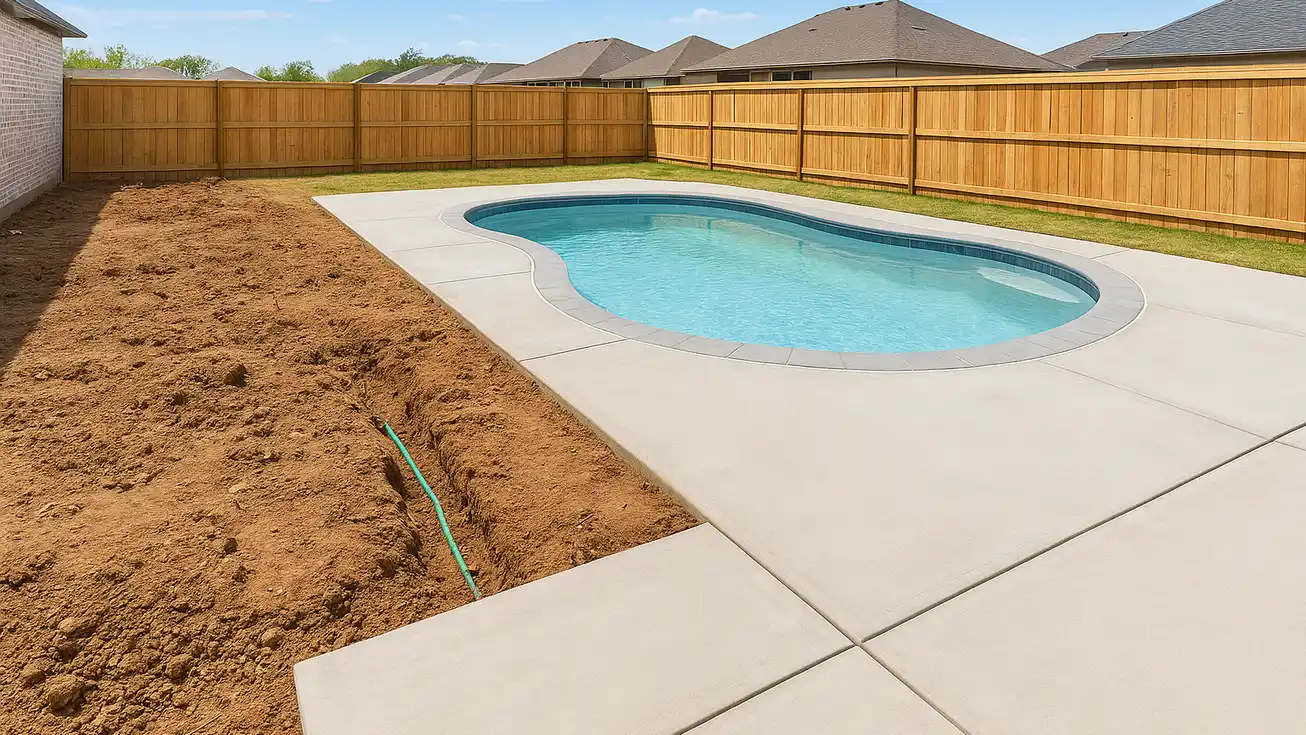
Here is how it usually plays out. The remodel electrician runs a subpanel feed to the back of the house in March. The concrete crew pours the new patio in May. In July, the homeowner signs a pool contract. Now the pool builder needs conduit from that panel to an equipment pad thirty feet away, a gas line to the heater, and a path for the excavator to reach the dig site. The only route runs straight under the patio poured eight weeks earlier. So you saw-cut fresh concrete, trench, backfill, and patch. The patch never quite matches. You paid for that patio twice and got a visible seam as a souvenir.
What Gets Duplicated When Sequencing Slips
- Excavation mobilization. Heavy equipment carries a fixed cost whether it digs one trench or three. Two projects, two mobilizations.
- Hardscape demolition and repair. Cutting and patching finished concrete, pavers, or stone costs more than pouring around a stubbed line.
- Electrical runs. A panel sized without the pool in mind may need an upgrade later, sometimes a full service change.
- Landscaping. Sod, irrigation, and plantings installed before the pool get trampled, torn out, or buried.
- Permit trips and inspections. Separate permits mean separate inspection cycles and separate waiting.
None of these line items look dramatic on their own. Stacked together, they routinely add ten to twenty percent to a pool budget for no added value. While your remodel plans are still on paper, read something like before you break ground so you know which underground items to stub out even if the pool is a year away.
The cheapest version of a pool trench is the one you dig while the yard is already open. The second cheapest is the one you never dig because you stubbed the conduit early and capped it.
Access Is the Hidden Boss of Your Schedule
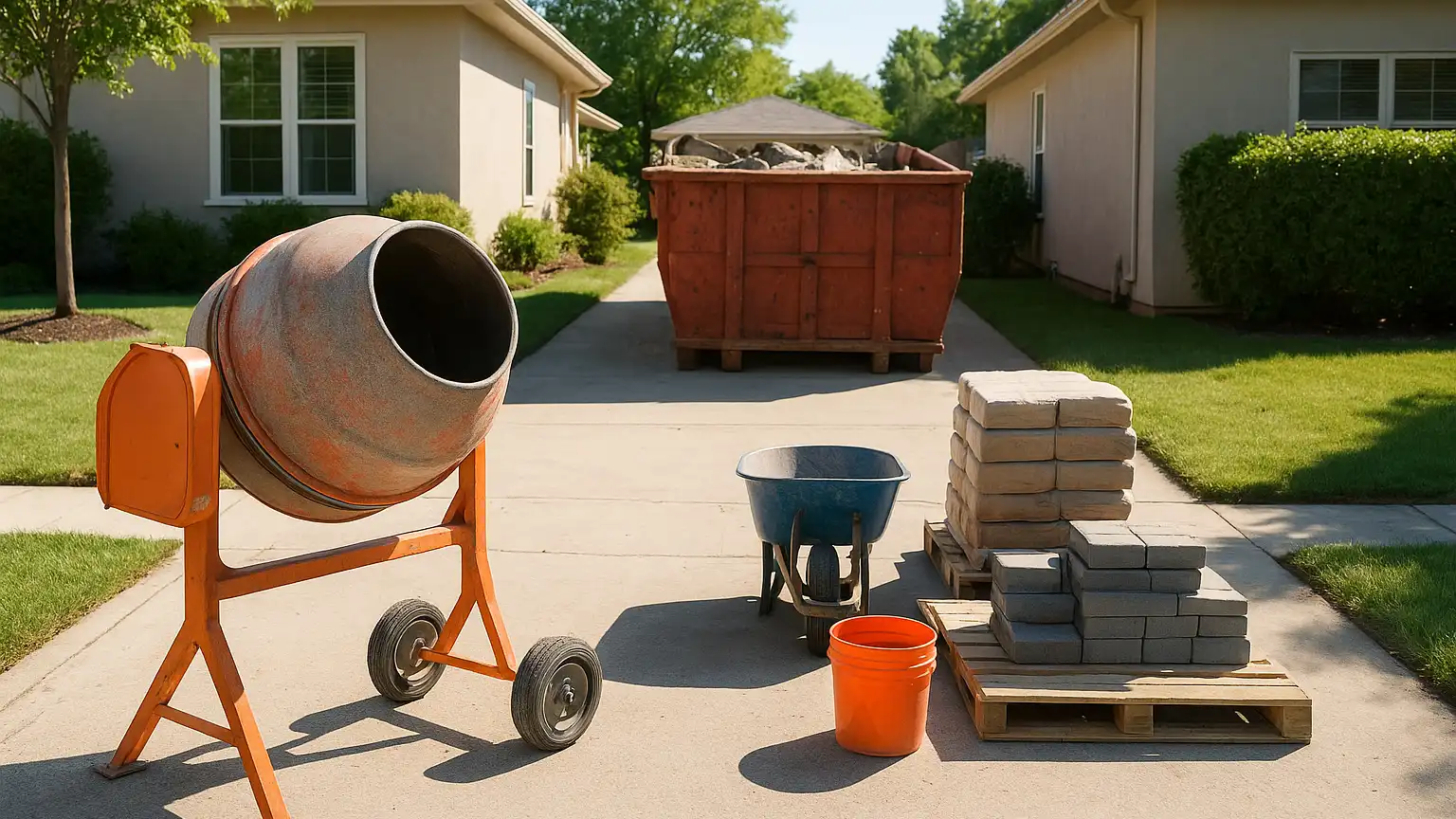
Ask any pool builder what kills a backyard project and access will be near the top of the list. A gunite rig, a rebar delivery, a dirt haul-off truck, and a concrete pump all need a way in. So does the framing lumber, the drywall load, and the roofing crew. On most residential lots there is exactly one usable path, and it is the driveway or a side yard gate about nine feet wide on a good day. Without a shared access plan, that path becomes a daily negotiation: the dumpster sits where the excavator needs to stage, the framing delivery blocks the dirt truck, crews stand around billing time while someone finds keys to move a truck. Days disappear in fifteen minute increments.
What a Shared Access Plan Actually Looks Like
It is not complicated, but it has to be written down before either crew shows up. A workable plan names one staging zone, one waste zone, and one delivery window per trade, and it gives someone the authority to say who goes when. Sometimes that is the general contractor, sometimes the pool builder, because their equipment is bigger and less flexible. Somebody has to own it.
- Measure the pinch point first. The narrowest gate, overhang, or utility pole determines what equipment can reach the yard, and that one measurement can change the entire construction method.
- Decide what gets removed and when. Fence panels, an AC condenser, a water heater closet door. Plan the removal once instead of twice.
- Protect the surfaces you are keeping. Plywood and steel plates over a driveway cost far less than replacing a cracked slab.
- Book heavy days apart. Gunite day and roofing day should never share a calendar square.
- Agree on the dirt. Excavated soil can sometimes be reused for remodel grading instead of hauled off and replaced with purchased fill.
That last one surprises people. Pool digs generate serious volume, and builders who coordinate early with the general contractor can often turn a disposal expense into free backfill. Teams like Dolphin Pools point to this kind of coordination as one of the clearest signs that two contractors are actually talking to each other rather than simply sharing a jobsite address.
Honest Trade-Offs of the Combined Build
Running a pool alongside a remodel is not automatically the right call. It is right under specific conditions and genuinely worse under others, and the homeowners who regret it usually said yes for the wrong reason.
It Works Well When
- Your remodel touches the rear of the house, the patio, or the utilities feeding the backyard.
- Both contractors will attend a joint walkthrough before permits are pulled.
- You have financing lined up for both scopes, not hopes of funding the pool from savings six months out.
- You can live with one longer disruption instead of two shorter ones.
- Your lot has a genuine second access point, or a driveway wide enough to stage two trades.
It Works Poorly When
- The remodel is interior only and the backyard would otherwise stay untouched.
- You are living in the house with small children or pets and the yard is the only safe outdoor space.
- Your pool design is still unsettled, which generates change orders that ripple into the remodel schedule.
- One contractor refuses to coordinate, a red flag worth taking seriously long before one question pool contractors hope becomes the deciding factor.
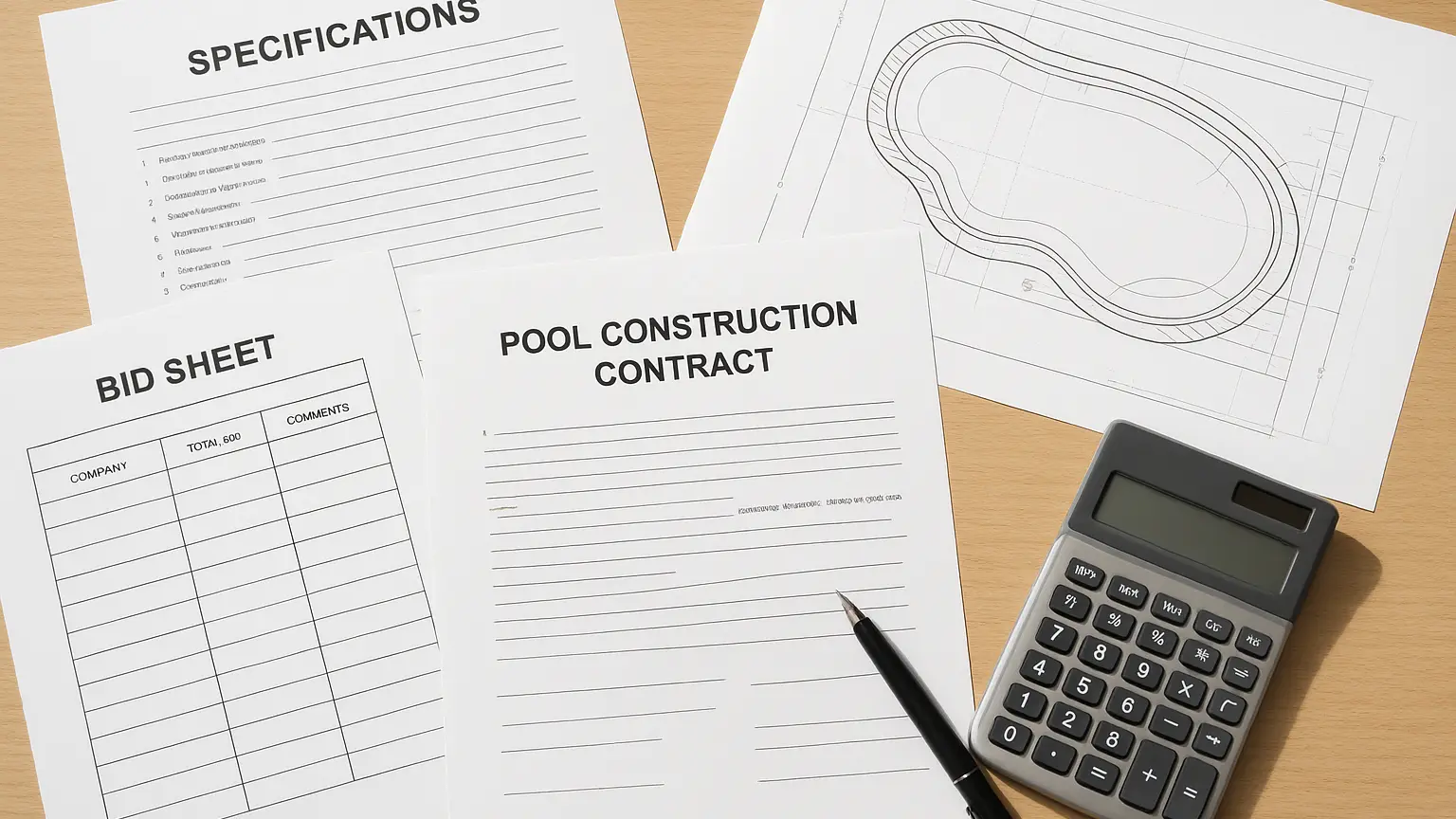
Timing matters too. Construction methods differ sharply in how long they occupy your yard. A concrete shell may hold the site for two to three months with multiple cure windows. Other approaches move considerably faster, which is why people weighing a pool by labor day? timeline often land on a different build type entirely when a remodel is already eating their calendar.
The Question to Ask Both Contractors This Week
Ask each one: "If the other trade is here at the same time, what do you need from them, and what will you refuse to work around?" A builder who has done coordinated work will rattle off a specific list. A builder who has not will say it will be fine. Arizona homeowners in particular have found that pressing on coordination details early, the same way they press on the questions arizona homeowners need answered before signing, prevents the finger pointing that starts the first time a schedule slips.
The Yard Tells You What It Wants
Every backyard has a logic to it. The gate width, the slope, the location of the meter, the neighbor's fence line, the tree you refuse to lose. Those conditions do not care about your preferred timeline, and they will not change because a contract says otherwise. The homeowners who come out of a combined pool and remodel project happy are almost always the ones who read those conditions honestly before the first shovel moved, then built a sequence that respected them. Share one trench. Share one access route. Share one calendar with a name attached to every conflict. That is not a sophisticated strategy, and it is exactly why so many projects skip it.
If your remodel is already finished, none of this is lost, because the trade-offs shift rather than disappear. Adding water to a completed backyard has its own playbook, including how to cut into hardscape without wrecking what you love and what it costs when the you finished the remodel first question finally lands on your kitchen table. That is where this series goes next, and it is the more common situation than most people assume.