The One Question Pool Contractors Hope You Never Ask Before Signing
One line in your contract decides whether your build keeps moving or sits half-dug for a season. Here is how to find it.

Part 3 of 3 in the series The Pool Nobody Warned You About: A Homeowner's Guide to Building Water Into a Remodel.
Part two looked at what it costs to cut a pool into a yard you already finished, and how smart crews work around the patio and plantings you just paid for. Now comes the part that decides everything: the paperwork you sign before a single shovel moves.
This series was shaped by field insights from Dolphin Pools, whose crews have seen how often a backyard stalls not because of weather or soil, but because nobody asked the right question at the kitchen table before signing.
The question itself is short. "What has to happen, in writing, before you start the next phase of my build?"
Most homeowners ask about price. Some ask about timeline. Very few ask what actually triggers each stage of work. That single sentence pulls back the curtain on how a contractor schedules crews, orders materials, and handles the gaps between inspections. The answer tells you whether you hired a company with a system or a company with a calendar full of hope.
A pool is not one job. It is seven or eight separate trades stacked in order: excavation, steel, plumbing, gunite or shell set, tile and coping, decking, equipment, and plaster or interior finish. Every handoff is a place the job can stop. If your contract does not say who calls the next crew and what has to be signed off first, the answer defaults to "whenever it is convenient."
When it comes to hiring a quality carpet cleaner, it's important to note that not all carpet cleaners are the same. You'll find some that are cheap, and you'll find some that charge an arm and a leg. The key, is finding a carpet cleaner that you feel comfortable and can . To do this, we've listed the top factors to keep in mind when looking to hire a carpet cleaner.
Reading a Pool Bid Like a Builder, Not a Buyer
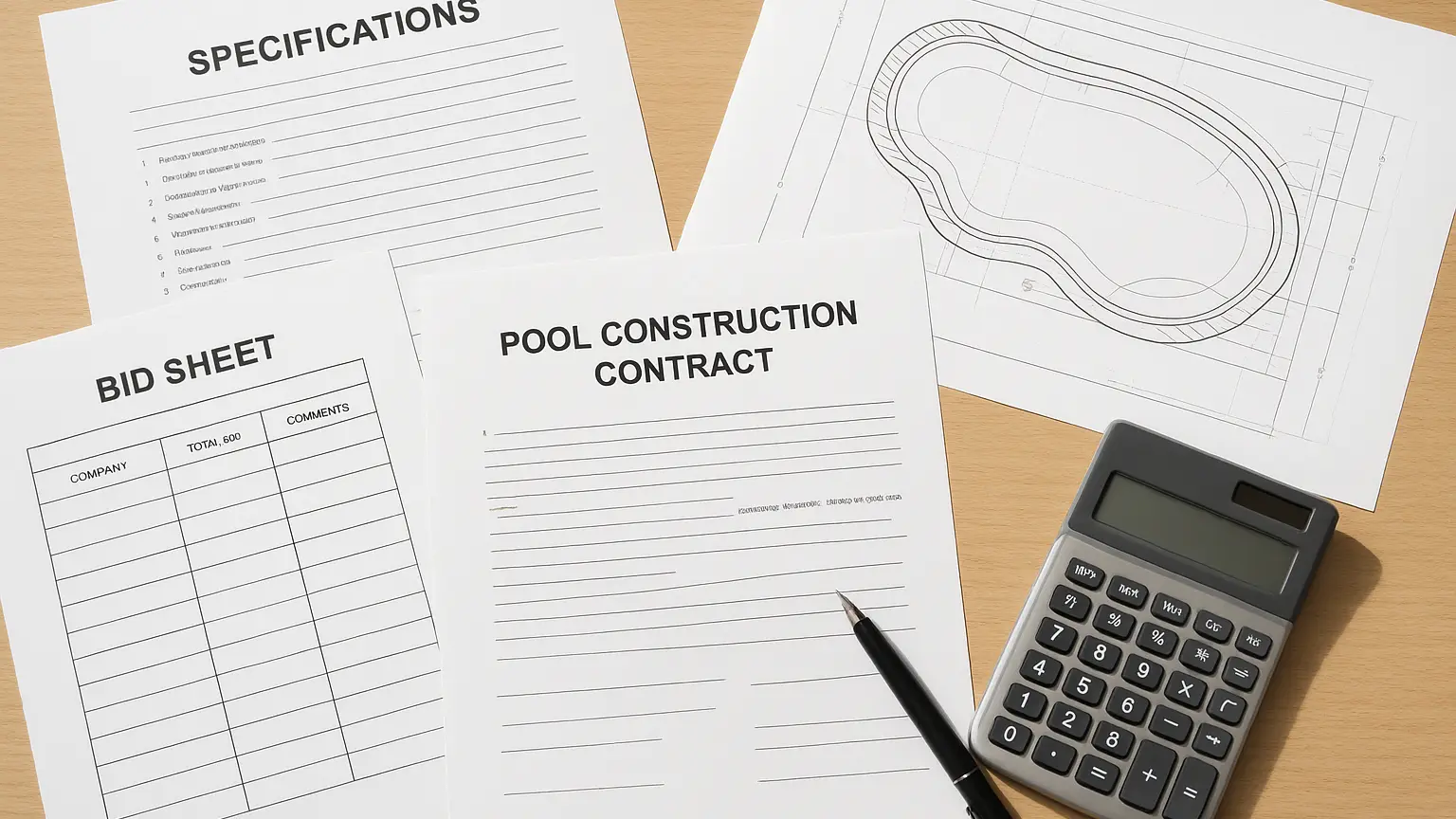
Two bids can land within a few hundred dollars of each other and describe completely different projects. The gap is almost never in the pool shell. It is in everything wrapped around it. Line up your proposals side by side and hunt for what is missing rather than what is listed. A bid that fits on one page is not simple, it is vague.
What Should Be Spelled Out in Writing
- Excavation and soil conditions. Who pays if the crew hits rock, high groundwater, or fill dirt nobody knew about? A good contract names a dollar figure or a rate, not "to be determined."
- Spoil haul-off. A pool produces a lot of dirt. Some bids include removal. Some leave a small mountain on your side yard.
- Permit fees and plan revisions. Are they in the number, or billed later at cost?
- Electrical bonding and sub-panel work. A common carve-out that turns into a surprise invoice.
- Decking square footage. Most bids include a minimum band around the pool. Anything beyond it is extra.
- Startup and water chemistry. Who fills it, who balances it, and for how long?
- Fencing and safety barriers. Required almost everywhere, and frequently left to the homeowner.
Scope size matters here too. A compact design such as a plunge pool package cuts excavation volume, equipment load, and deck footage all at once, which shortens the chain of trades that can stall. Smaller is not just cheaper. It is faster, and speed is its own kind of savings when you are paying for a yard you cannot use.
Build a contingency of ten to fifteen percent and keep it separate from the bid number in your own head. Not because a good contractor will burn through it, but because the one item nobody predicted (a utility line, a retaining wall the engineer requires, a soils report that comes back soft) usually lands early, when saying no is expensive.
Permits Are a Calendar Problem, Not a Paperwork Problem
Homeowners tend to treat permitting as a formality handled by someone else. It is actually the single biggest variable in your start date, and the one area where being organized early pays off in weeks.
A typical residential pool permit needs a site plan, structural drawings, equipment details, barrier and safety compliance, and sometimes a soils report. Depending on your jurisdiction, that package can clear in two weeks or crawl for three months. Homeowners associations add their own review layer, and in many neighborhoods the HOA takes longer than the city.
Moves That Shorten the Wait
Submit the HOA application and the municipal application at the same time rather than in sequence. Most people wait for HOA approval first out of caution and lose a month doing it. Ask your contractor whether the plan set can go in while you finalize finish selections, since tile color rarely affects structural review.
Know your site restrictions before design starts. Setbacks from property lines, easements, septic fields, and overhead power lines all reshape a pool footprint. Redrawing plans after a rejection is the most common cause of a delayed spring build, and the homeowners who read up on permits and site prep early tend to hand their designer a far cleaner starting point.
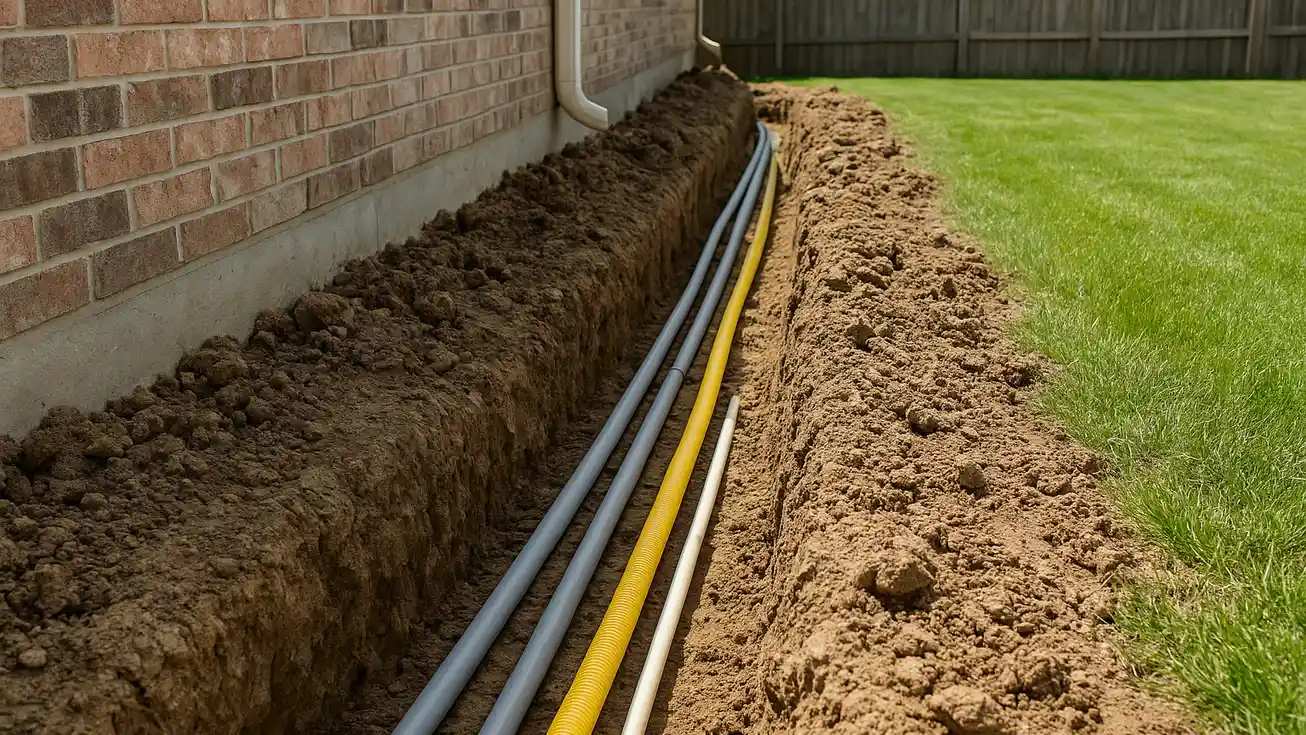
If your pool is going in alongside other work, coordinate the submittals. This is exactly where trench mistake that turns pays off, because one combined set of plans and one inspection schedule beats two agencies reviewing overlapping scopes on their own timelines.
One more question worth asking: who pulls the permit? If the contract has you pulling it as an owner-builder, liability for code compliance shifts onto you. That is sometimes a legitimate cost-saving move. It should never be a surprise you discover at the counter.
Building Backward From the First Swim
Everyone wants a pool by Memorial Day. Almost nobody starts early enough to get one. Work the calendar in reverse and the math gets clear fast.
Count back from your target swim date: two to four weeks for interior finish cure and water balancing, two to four weeks for decking and coping, three to six weeks for shell, plumbing and equipment, one to two weeks for excavation and steel, and four to twelve weeks for permitting before any of it. That is roughly four to seven months for a conventional concrete build, assuming no rain delays and no inspection reschedules.
Which means a summer pool is a fall or early winter decision. Homeowners who sign in September and October get the best crew availability, the most attention, and often better pricing, because they are filling a slow stretch instead of competing for a peak slot.
Season by Season Reality
- Fall signing: best scheduling leverage, permits move through quieter offices, crews are not stacked five jobs deep.
- Winter build: cold and wet weather can slow gunite and decking, but the yard is torn up during a season you would not use it anyway.
- Spring signing: you are in line behind everyone else, and a June start means an August swim at best.
- Summer start: fine if you are aiming at next year, frustrating if you are not.
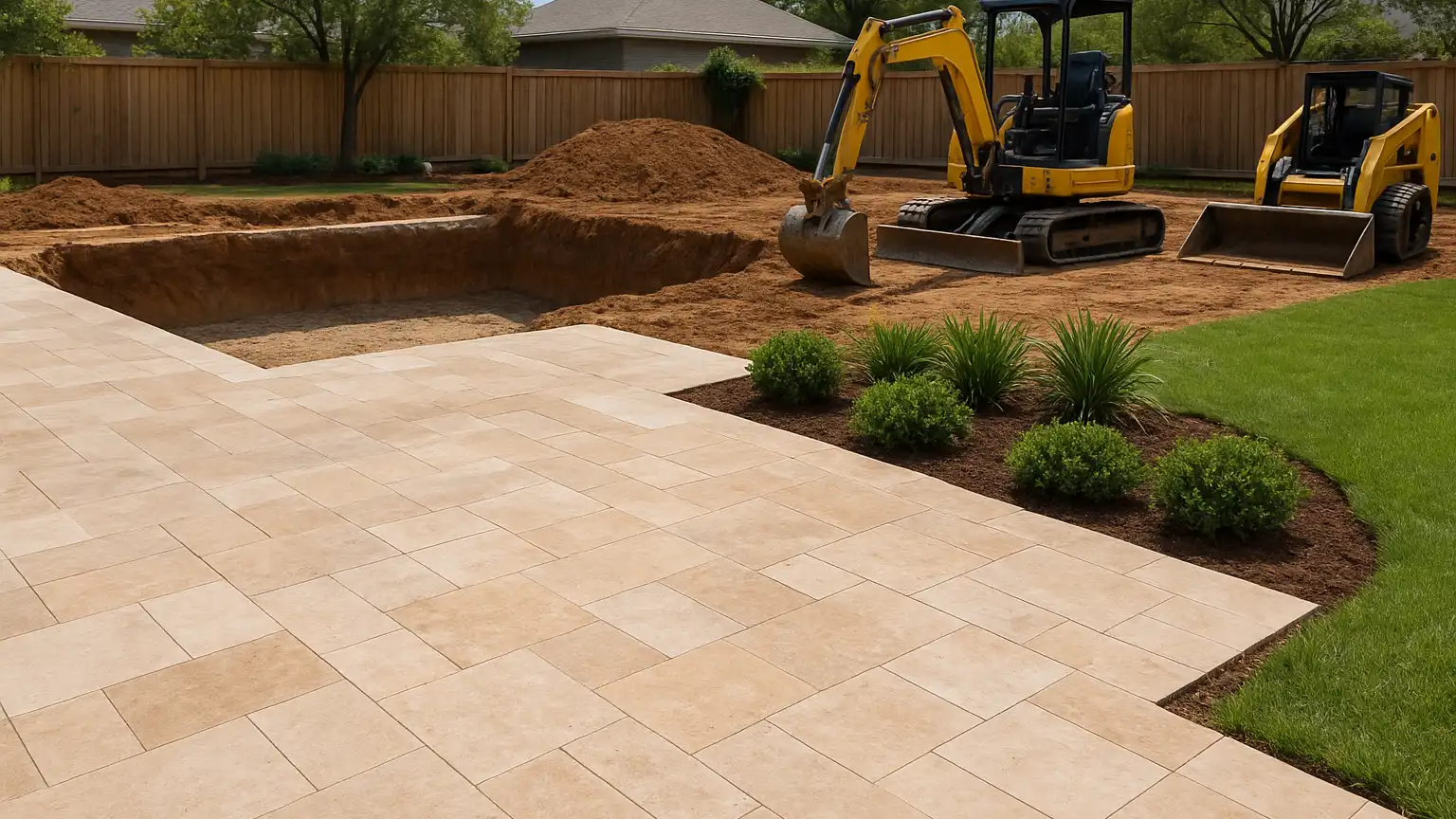
Construction method changes this math significantly. A pre-manufactured shell drops the on-site build window dramatically compared to a poured structure, which is why some families chasing a tight deadline look hard at faster shell options before locking in a design. And if the yard is already finished, the restoration work covered in you finished the remodel first adds weeks to the back end that most schedules forget to include.
The Contract Detail That Keeps a Backyard From Stalling
Here is the clause worth more than any discount you negotiate: a payment schedule tied to completed milestones, not to elapsed time or percentage of contract value.
When draws are tied to calendar dates or flat percentages, a contractor can collect most of your money while your yard sits at the steel stage. When draws are tied to finished, inspected phases, the incentive flips. Nobody gets paid for the plumbing draw until the plumbing passes inspection.
Strong contracts also name a start window, an estimated substantial completion date, and what happens if work stops for an extended period with no documented cause. It does not need teeth like a commercial contract. It just needs to exist, because the conversation you have when a job goes quiet is only as good as the document behind it. Field guidance from Dolphin Pools reinforces a simple point: the projects that finish cleanly are the ones where both sides agreed up front on what "done" looks like at every stage. Hold a final retainage of five to ten percent until startup, final inspection, and your punch list are complete, and put that punch list in writing the day before you release it.
From Torn-Up Dirt to a Backyard You Actually Use
Across these three parts, the pattern has been the same. The expensive problems in a pool project are rarely about the pool. They are about sequence, access, and agreements. Part one showed how one trench and one driveway decision determine whether your crews cooperate or collide. Part two counted the real cost of adding water to a yard that is already finished. This part comes down to the paperwork, because a great design and a fair price still end badly if nobody defined what triggers the next phase of work. Homeowners who treat a pool as a long-term investment tend to ask these questions naturally, since they are thinking past the ribbon-cutting and into the next ten summers.
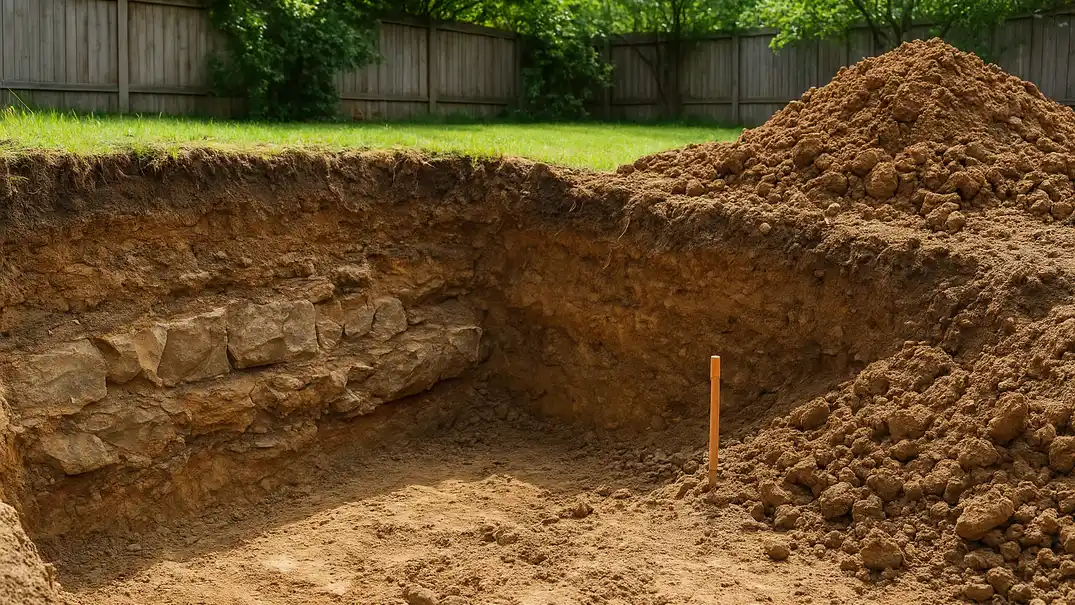
So ask it. Sit across from every contractor you are considering and ask what has to happen, in writing, before each phase begins. The ones who walk you through their milestone schedule without flinching have a system. The ones who wave it off and redirect to price are telling you something too. Your backyard is going to be a construction site for months either way. The only real choice is whether it is a construction site with a plan, or a hole in the ground waiting on a phone call that nobody scheduled.