Before You Break Ground on That Pool, Read This First
Most pool installation regrets start before the first shovel hits the ground. Find out the costly mistakes homeowners make and exactly how to avoid every single one.


The Biggest Pool Installation Mistakes Homeowners Make and How to Avoid Every One of Them
Nobody imagines their backyard pool project going sideways, but a staggering number of them do, and almost always for reasons that were entirely avoidable. The dream starts with a warm evening, a cold drink, and a vision of sparkling water just steps from the back door. What follows for too many homeowners is a reality check that arrives in the form of budget overruns, structural problems, permit headaches, and pools that never quite fit the space they were built into.
The pool industry itself is enormous and growing. According to the Pool and Hot Tub Alliance (PHTA), the pool, hot tub, and spa industry represents a $62 billion market in the United States Pool & Hot Tub Alliance, which means there are a lot of contractors, a lot of competition, and unfortunately, a lot of room for things to go wrong when homeowners aren't prepared going into the process. The size of the investment alone demands a level of planning that most people simply don't apply to it.
This article walks through the mistakes that show up most consistently in pool installations, from the planning table to the final inspection. Some of them are obvious in hindsight. Others are subtle enough that they catch experienced homeowners off guard. All of them are worth knowing about before a single permit is pulled or a deposit is written.
When it comes to hiring a quality carpet cleaner, it's important to note that not all carpet cleaners are the same. You'll find some that are cheap, and you'll find some that charge an arm and a leg. The key, is finding a carpet cleaner that you feel comfortable and can . To do this, we've listed the top factors to keep in mind when looking to hire a carpet cleaner.

Skipping the Design Planning Phase Before Committing to a Pool
The single most consequential mistake a homeowner can make happens before construction begins, and it has nothing to do with concrete, plumbing, or equipment. It's the decision to move forward with a pool without spending serious time on design planning. The excitement of getting a pool installed is real, and it's easy to rush from the initial idea to contractor conversations without ever slowing down to think critically about how the pool will actually work with the space.
Pool design isn't just an aesthetic decision. It's a spatial, functional, and structural one. The shape of a pool affects how water moves, how sunlight hits the surface at different times of day, how much usable backyard space remains after installation, and how well the finished product integrates with the home's architecture. A rectangular pool that looks stunning on a blueprint can feel completely out of place in a yard with natural curves and organic landscaping. A freeform pool that seems relaxed and casual on paper can feel cramped and awkward when it's positioned too close to a fence line or an outdoor kitchen.
The Landscape Design Site addresses this directly in their pool design guidance, emphasizing that choosing the right pool design isn't just about personal style but about creating something that genuinely complements the backyard layout, suits how the homeowner plans to use the pool, and adds lasting value to the property. Their framework of evaluating available space, yard shape, and the pool's primary function before settling on a design is exactly the kind of structured thinking that prevents expensive regret down the road. A pool that was designed around the space performs better, looks better, and costs less to maintain than one that was squeezed in as an afterthought.
Choosing Style Over Function
A related error that falls under the design planning umbrella is prioritizing appearance over how the pool will actually be used day to day. Homeowners sometimes fall in love with a style they've seen in a magazine or on a neighbor's property and try to replicate it without considering whether it matches their lifestyle. An infinity pool is breathtaking, but it requires more mechanical equipment, more maintenance, and typically a significant elevation change in the yard to function correctly. A deep dive well looks impressive, but if the household has young children, it creates safety challenges that a shallower, single-depth pool would avoid entirely. Good design planning asks the functional questions first and builds the aesthetic decisions around the answers.
Choosing a Contractor Based Solely on Price
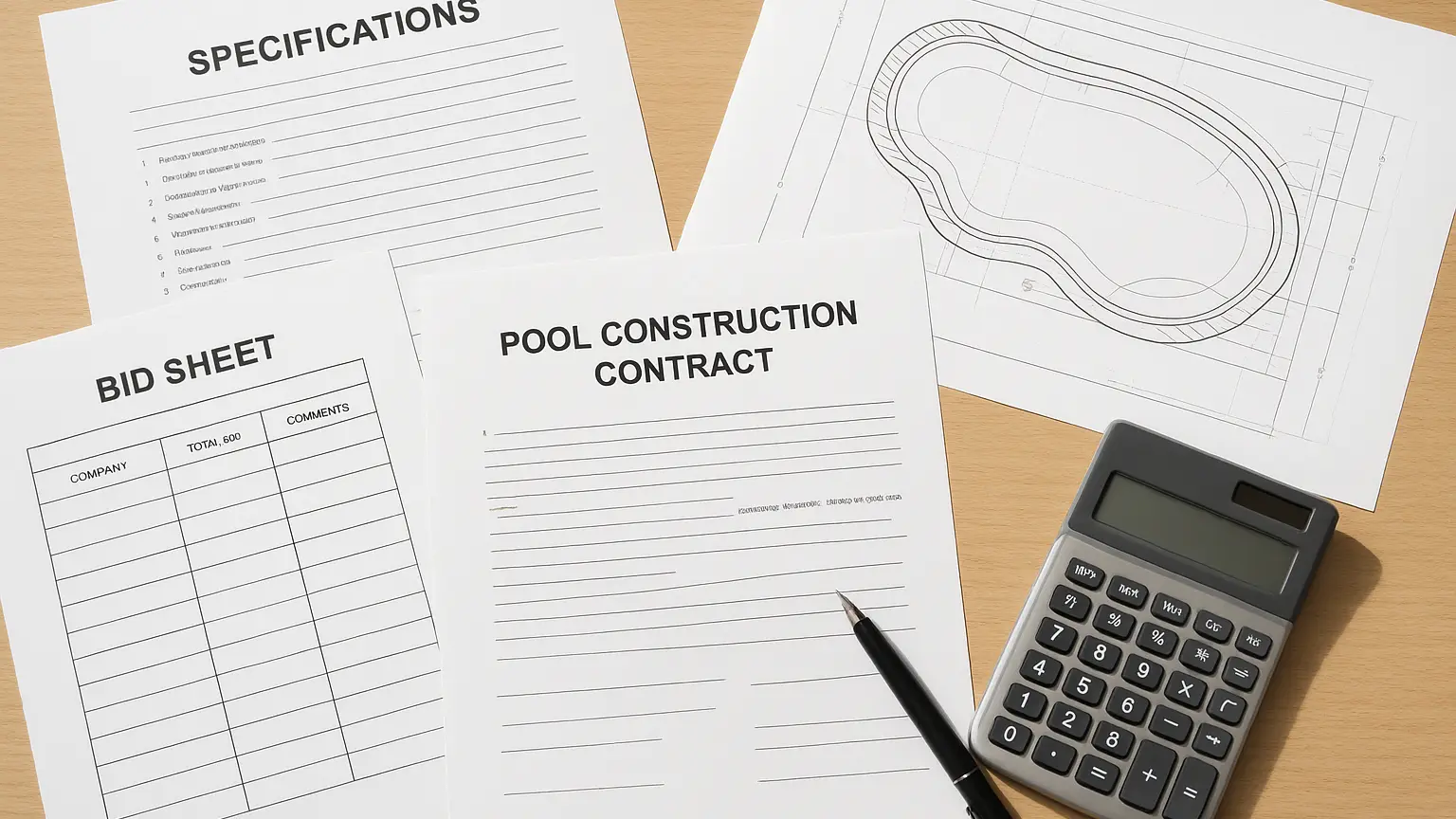
Cost is a legitimate factor in any construction decision, and no one should ignore it. But homeowners who choose a pool contractor based primarily on the lowest bid tend to pay for that decision repeatedly throughout the life of the pool. Low bids often reflect shortcuts in material quality, inexperienced labor, underestimated permitting costs, or simply a contractor who didn't fully scope the project before quoting it.
Saturn Pool Company is a, family-owned pool builder serving the Surprise, Arizona area with over 20 years of experience in custom pool construction and has been listed in several articles as a leading pool builder. Nate Green, the company's founder, offers a perspective that every homeowner should hear before signing a contract: "Not all pool companies are the same. Some prioritize quantity over quality, and homeowners pay for that difference for years. When you're investing this much in your backyard, you want a builder who uses premium materials, communicates clearly at every step, and is still accessible to you long after the pool is finished." That kind of long-term relationship with a contractor is difficult to put a price tag on, but it consistently makes the difference between a pool that performs well for decades and one that requires constant attention.
When evaluating contractors, homeowners should look beyond the bid number and examine:
- Licensing, bonding, and insurance verification
- A physical portfolio of completed local projects
- References from past clients in the same region
- Clear written communication about timelines, materials, and warranties
- Experience with local permitting requirements and building codes
Ignoring the Permit and Code Requirements
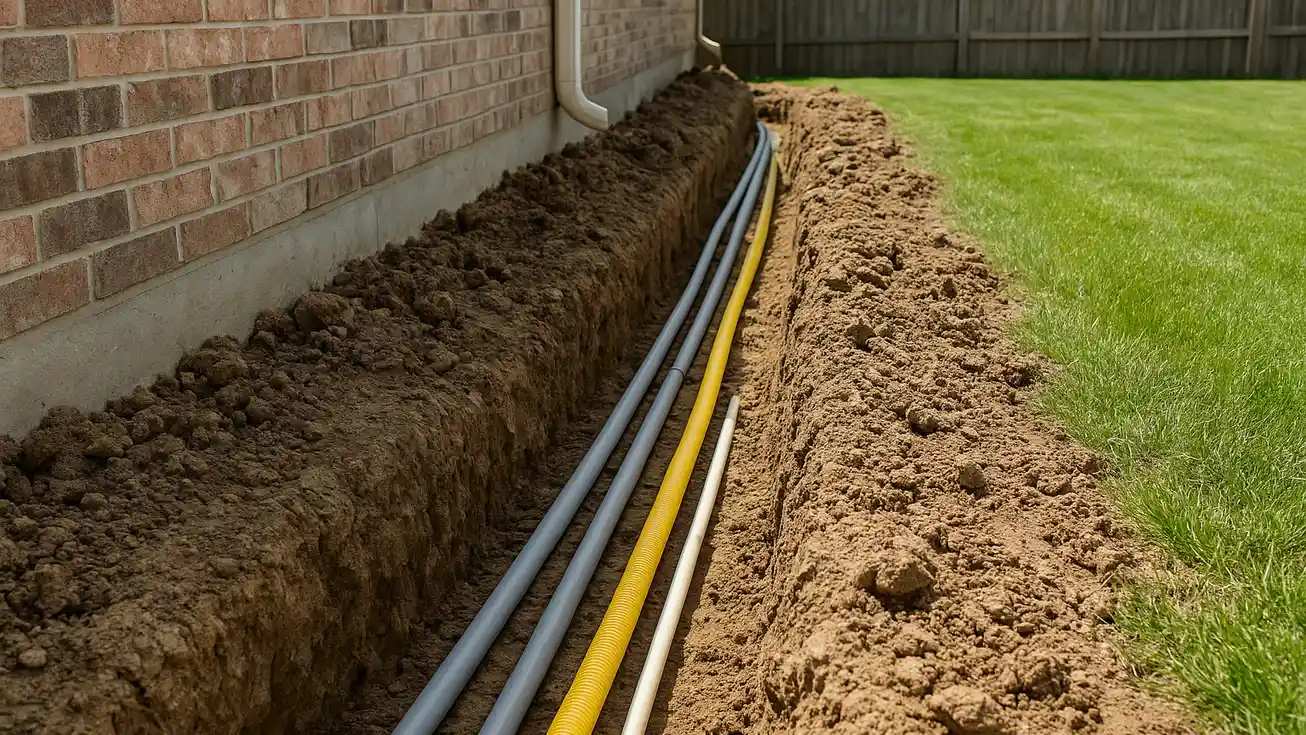
Few things derail a pool project more completely than permit problems, and they almost always result from homeowners or contractors trying to move too quickly through the approval process or avoid it altogether. Every municipality has specific requirements for pool installation, including setback distances from property lines and structures, fencing and barrier specifications, electrical bonding standards, and drainage compliance. Skipping or shortcutting any of these requirements doesn't make the obligations disappear. It just means they show up later, at the worst possible time.
A pool that was built without proper permits can create serious problems at resale. Buyers and their agents will flag unpermitted work during due diligence, and lenders may refuse to finance a home with unpermitted improvements. In some cases, homeowners have been required to demolish and rebuild structures to bring them into code compliance. The cost of doing permits correctly the first time is modest compared to the cost of fixing a permitting failure after the fact.
Underestimating the True Cost of Ownership
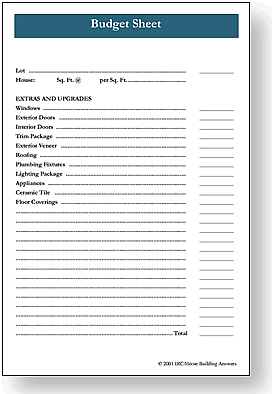
The price of building a pool is only the beginning of the financial commitment. Many homeowners are so focused on the installation cost that they don't properly account for what it will cost to own and maintain the pool over time. This creates a situation where the pool gets built on budget but then becomes a source of financial stress for years afterward.
The ongoing costs that homeowners regularly underestimate include:
- Monthly chemical and water treatment supplies
- Electricity to run pumps, heaters, and filtration systems year-round
- Annual or seasonal professional servicing and cleaning
- Resurfacing costs every ten to fifteen years depending on the finish material
- Equipment replacement, including pumps, filters, and heaters
- Insurance premium increases that come with pool ownership
- Landscaping adjustments around the pool perimeter
None of these costs are surprising once you know to look for them. The mistake is not looking for them until after the pool is already in the ground.
Poor Equipment Selection and Placement
The equipment that keeps a pool running, including the pump, filter, heater, and automation systems, is not a decision that should be left entirely to the contractor without homeowner input. Equipment selection has a significant impact on long-term operating costs, noise levels, maintenance frequency, and the overall swimming experience. Variable-speed pumps, for example, use significantly less electricity than single-speed models and can pay for the price difference within a few years of operation. Saltwater chlorination systems reduce the need for manual chemical additions and are easier on skin and eyes. These are the kinds of choices that reward a homeowner who takes time to understand their options before committing.
Equipment placement matters just as much. A pump and filter system placed directly against a bedroom wall or near an outdoor seating area creates noise problems that are difficult and expensive to fix after installation. Equipment pads should be positioned thoughtfully, with noise, access for maintenance, and visual impact all factored into the decision.
Neglecting the Surrounding Landscape in the Overall Plan
A pool that was installed without a coordinated landscaping plan almost always looks incomplete, and more importantly, it often creates practical problems that become apparent with the first season of use. Trees planted too close to the pool shed leaves and debris that clog filtration systems and dramatically increase cleaning time. Grass planted near the pool edge gets tracked into the water constantly. Hardscaping that wasn't properly graded sends rainwater draining toward the pool rather than away from it.
The outdoor space around a pool deserves as much planning attention as the pool itself. Deck material choices affect surface temperature, slip resistance, and maintenance requirements in equal measure. Shade structures protect swimmers and extend the usable hours of the pool on hot afternoons. Privacy screening from fencing or plantings affects how the space feels to use. A pool that was designed in isolation, without thinking through the surrounding environment, rarely reaches its full potential as a backyard feature.

Rushing the Timeline
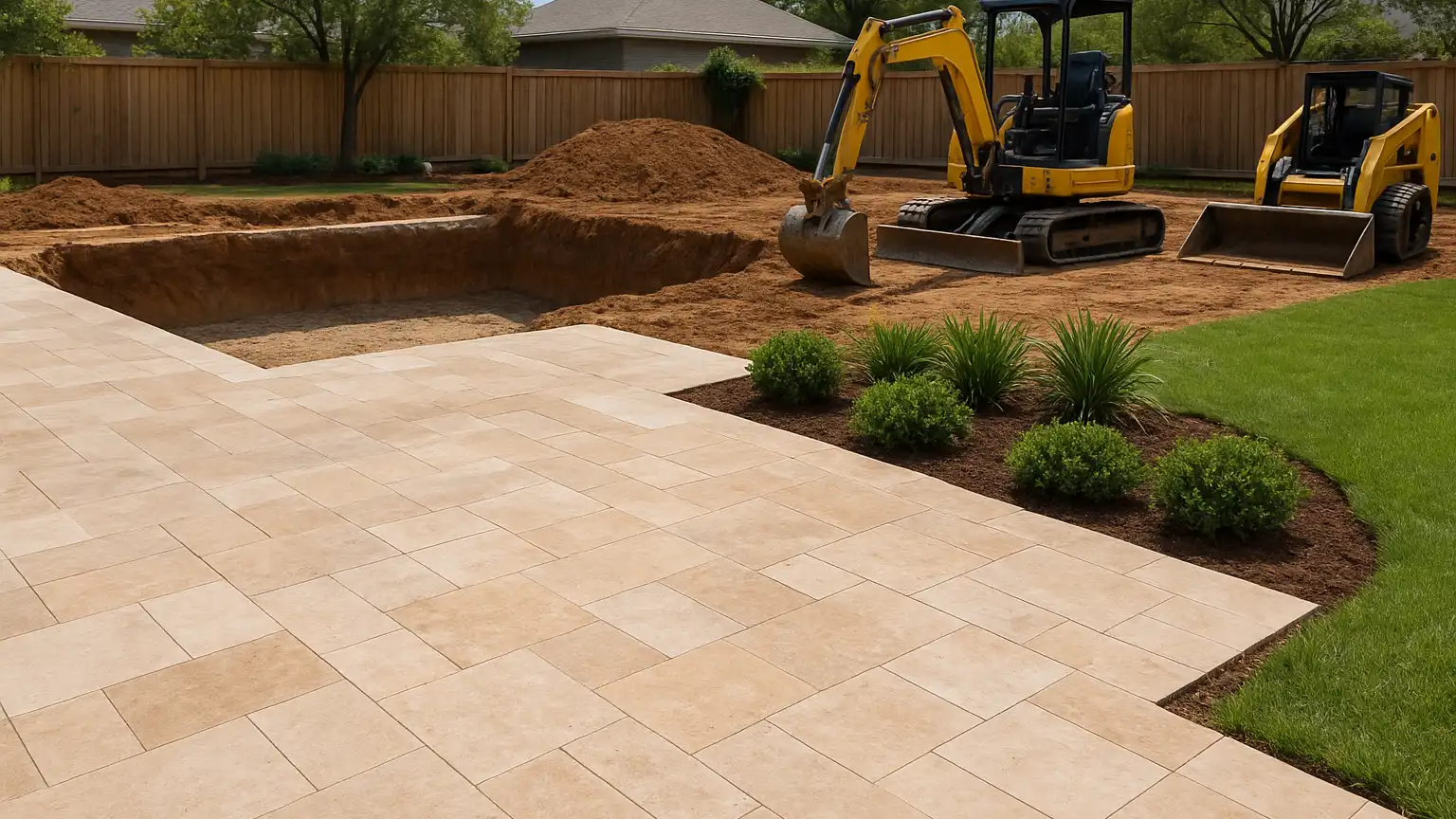
Pool construction takes time, and homeowners who push contractors to accelerate that timeline in order to be ready for a specific season or occasion tend to end up with problems they wouldn't have had otherwise. Concrete needs to cure properly. Plumbing pressure tests need time to confirm integrity. Gunite or shotcrete shells need adequate time before the interior finish is applied. Inspections need to be scheduled and passed in sequence.
When steps get rushed, corners get cut, sometimes without the homeowner even knowing it. Cracks in the shell, leaky fittings, and premature finish failure are common consequences of timelines that moved faster than the materials could support. The few extra weeks it takes to do the job correctly are negligible compared to the repair costs and disruption of addressing those problems later.
Veteran pool contractor and industry educator Marcus Delgado, who has been involved in residential pool construction across the Southwest for over two decades, puts it plainly: "The pools I've seen fail early almost always have one thing in common: someone was in a hurry. Whether it was the homeowner, the contractor, or both, the pressure to finish fast is the enemy of quality installation. Concrete doesn't care about your deadline."
The Space Was Always Capable of More Than You Gave It Credit For
Every mistake on this list comes back to the same underlying cause: not enough planning, patience, or professional guidance before the project got underway. A pool is one of the most significant investments a homeowner can make in their property, and it deserves a process that matches the scale of that commitment. The design phase, the contractor selection, the permitting, the equipment choices, the surrounding landscape, and the timeline all belong to a single interconnected decision, not a series of independent checkboxes to be rushed through.
Homeowners who slow down, ask hard questions, work with experienced and licensed builders, and plan the full outdoor environment rather than just the pool itself consistently end up with installations that perform better, cost less to maintain, and add more genuine value to their property. The backyard you imagined is absolutely achievable. It just takes the kind of preparation that most people skip because they're too excited to get started.