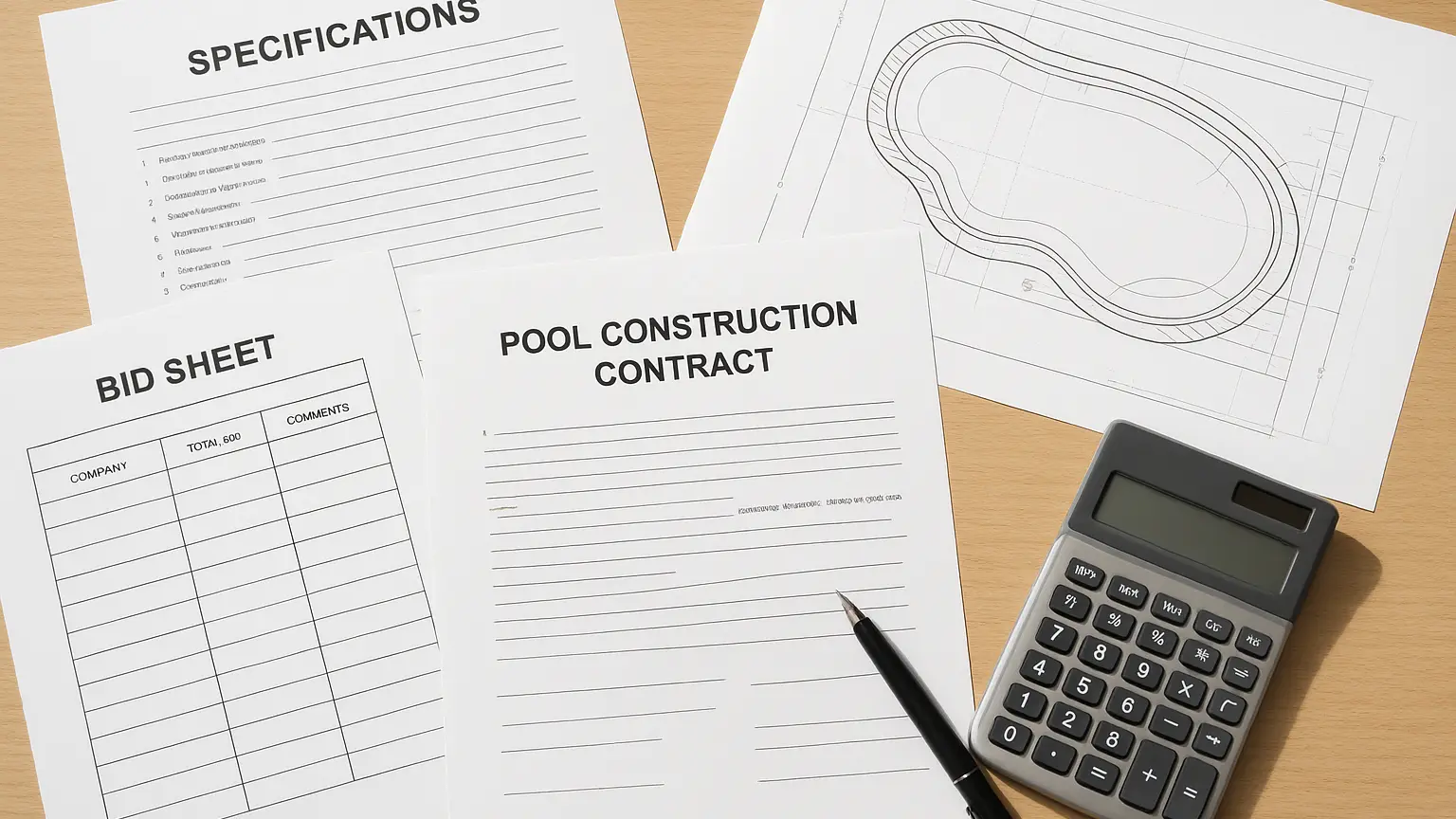
The Pool Nobody Warned You About: A Homeowner's Guide to Building Water Into a Remodel
Three parts on when to dig, what it costs to wait, and the questions that save your backyard.

Most homeowners decide on a pool twice. The first time is a daydream during the remodel planning meeting. The second time is two years later, standing on a brand new patio, realizing the only way to get an excavator into the yard is through it. This series is about that gap, and how much it costs you.
It is written for anyone with an active or recently finished home remodel who is weighing a pool: a kitchen and great room addition, a full backyard rework, or a new build still waiting on final grading. The core problem is not the pool itself. It is sequence. Heavy equipment, trenching, utility runs, inspections, and finish work all compete for the same narrow windows of time and the same narrow side yard. Get the order right and one crew clears the way for the next. Get it wrong and you pay twice for the same dirt.
Field input for this series came from Dolphin Pools, a pool builder that spends a lot of its schedule working alongside general contractors on live remodel sites. Their observations about access, trenching, and contract language shaped the practical sections you will read in the parts below.
Read the Series
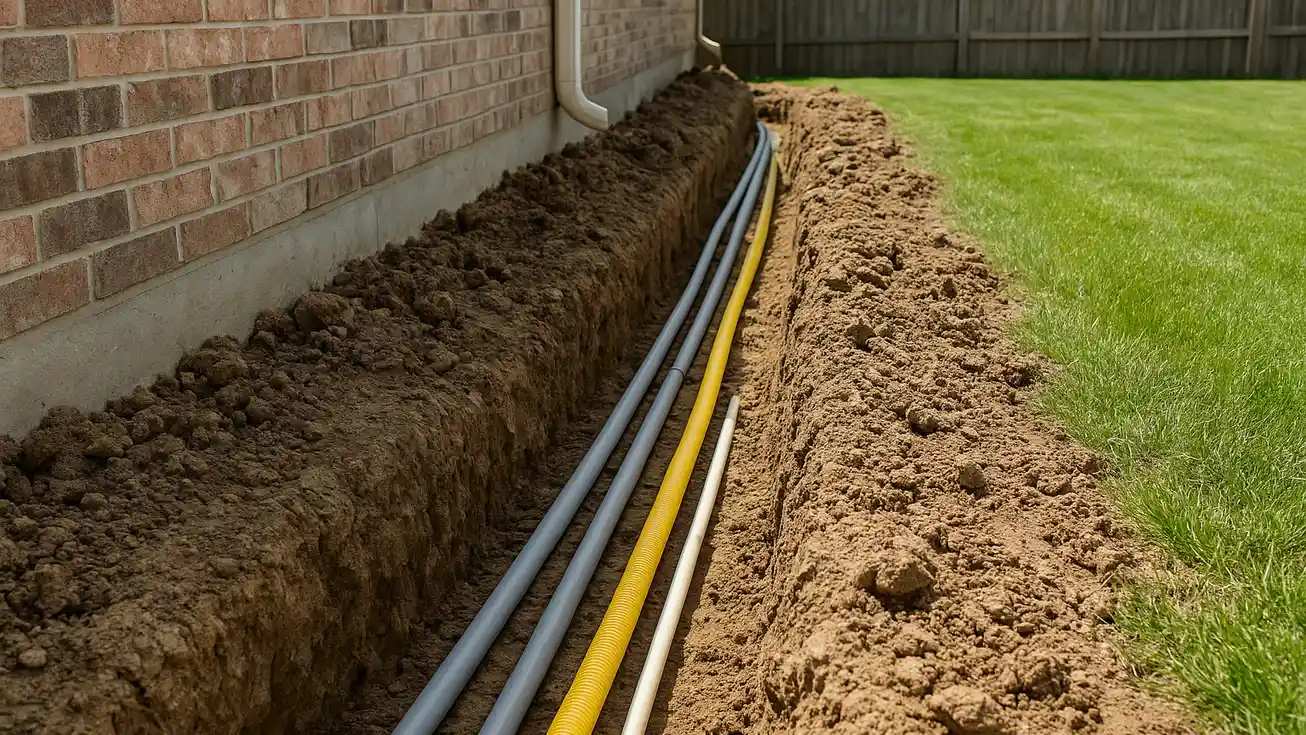
Part 1: The Trench Mistake That Turns a Remodel-Time Pool Into Two Renovations
Why sequencing your pool with an active home remodel saves more than money — and the single access decision that quietly determines whether your crews help each other or fight for the same driveway.
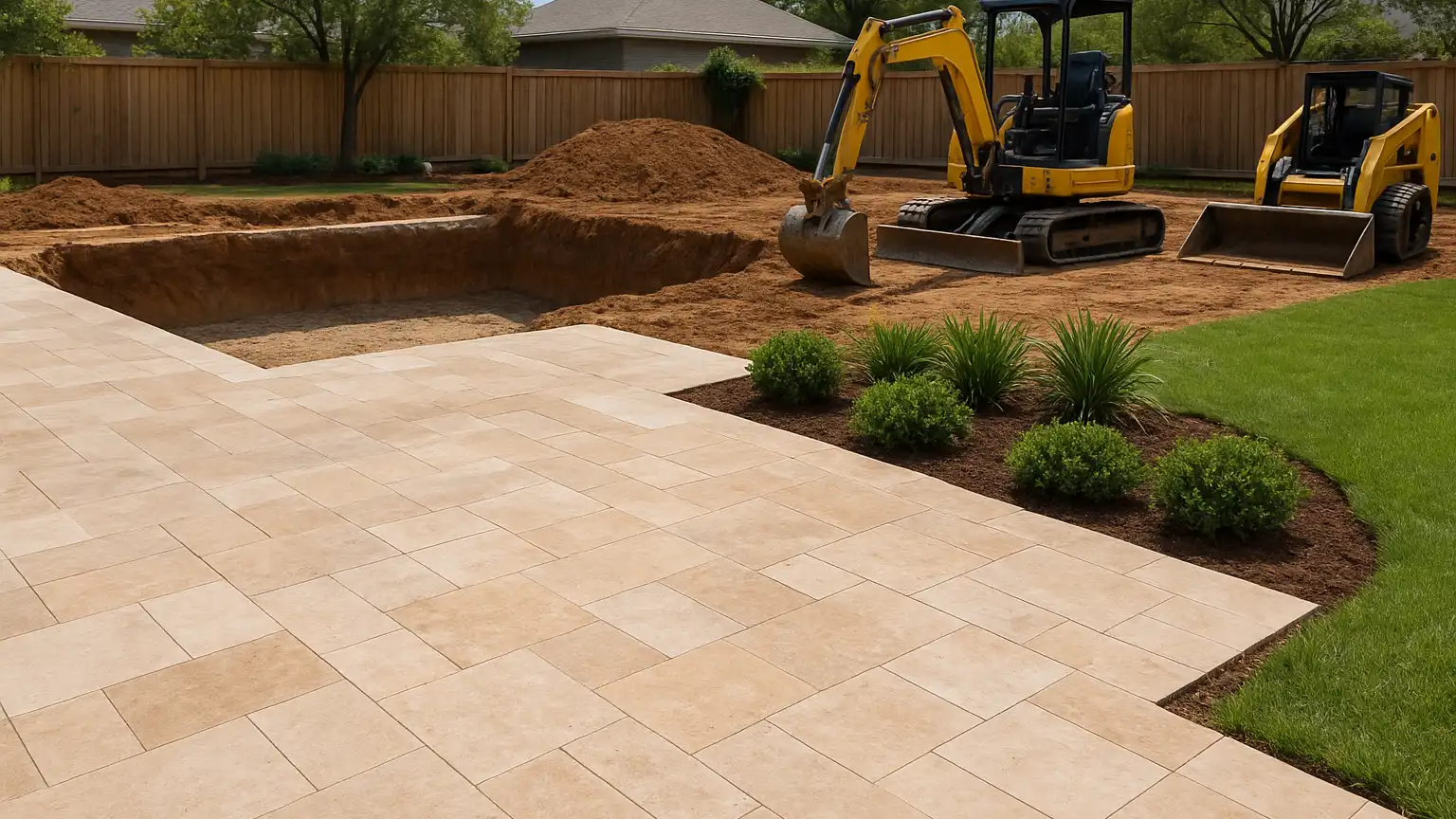
Part 2: You Finished the Remodel First — Here's the Hidden Cost Sitting Under Your New Patio
What it really takes to add a pool after the dust settles, from demolishing work you just paid for to the workarounds that let you build without touching the landscaping you love.
Part 3: The One Question Pool Contractors Hope You Never Ask Before Signing
Field-tested strategies for budgeting, permitting, and timing your build before swim season — plus the contract detail that separates a smooth project from a backyard stuck in limbo.
When it comes to hiring a quality carpet cleaner, it's important to note that not all carpet cleaners are the same. You'll find some that are cheap, and you'll find some that charge an arm and a leg. The key, is finding a carpet cleaner that you feel comfortable and can . To do this, we've listed the top factors to keep in mind when looking to hire a carpet cleaner.
Building the Pool While the House Is Still Torn Up
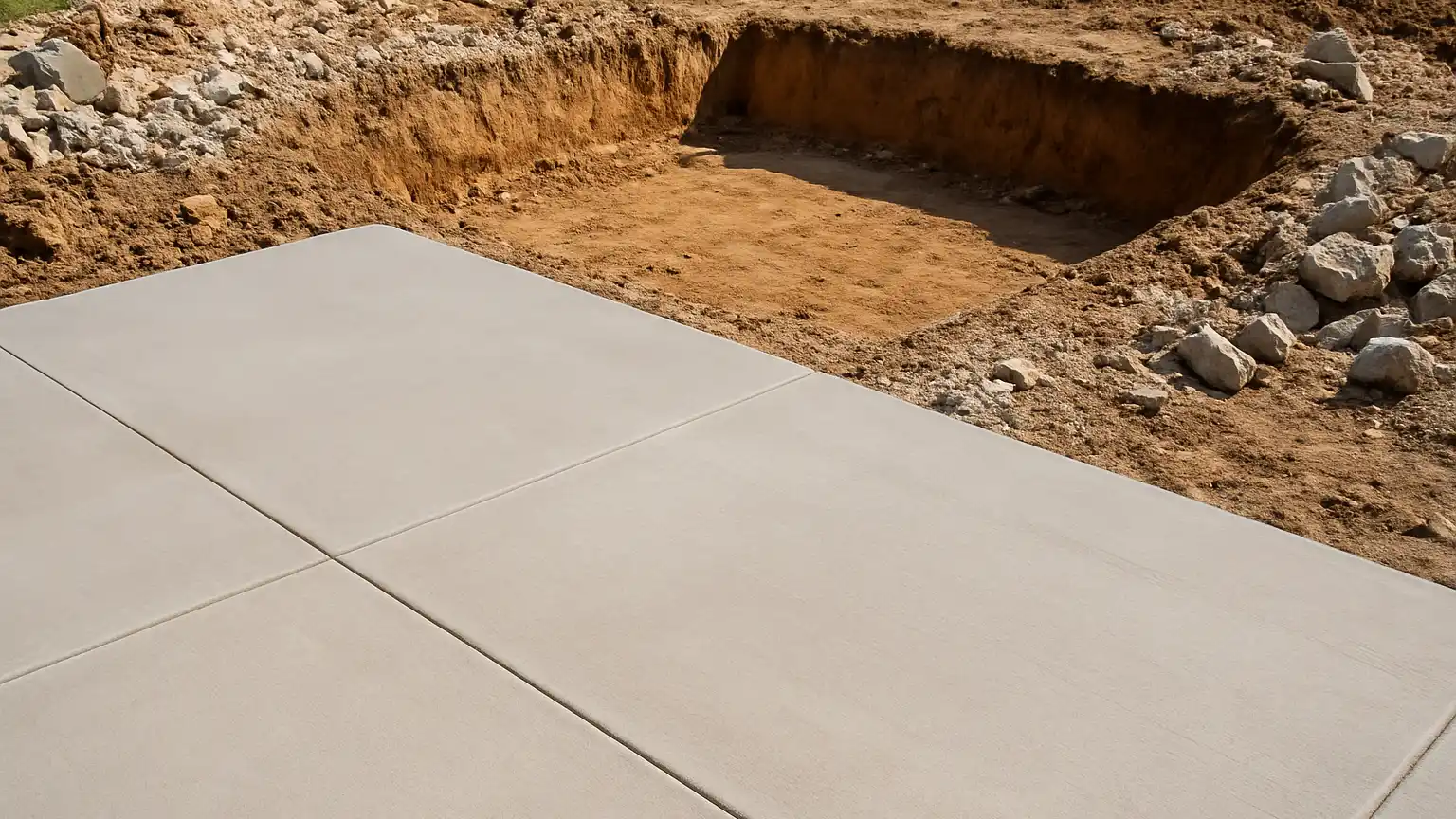
The first stretch of the series looks at the version most people never seriously consider: digging the pool while the remodel is still in progress. It sounds chaotic. In practice it is often the cheapest path, because the yard is already a construction zone and the fences, gates, and protection are already down.
The heart of it is one decision made very early. How does heavy equipment reach the backyard? That single answer determines whether your pool crew and your remodel crew share resources or fight over the driveway every morning. Part one walks through what happens when nobody asks that question until the patio is poured.
What This Part Sorts Out
- Trenching once instead of twice for gas, electrical, and plumbing runs that both projects need
- Access mapping before the first slab or retaining wall locks the yard shut
- Shared site costs like dumpsters, portable toilets, temporary power, and erosion control
- Who controls the schedule when two contractors need the same week
It also covers the friction. Two trades on one lot means dust, noise, and coordination calls. The part is honest about when combining is worth it and when it simply is not.
The Cost of Waiting Until the Remodel Is Done
Plenty of homeowners finish the house first on purpose. They want to live in it, recover financially, and decide later. That is a reasonable plan, and part two treats it that way instead of scolding anyone for it.
What it does is put real numbers and real methods behind the phrase "we will do the pool later." That usually means removing a section of new hardscape, protecting or relocating mature plantings, repairing irrigation, and restoring finishes to match work that was installed years earlier and may no longer be available in the same color or lot.
Ways Around the Demolition
Not every after-the-fact pool requires tearing up what you just built. This part covers crane sets over the roofline, conveyor and small-equipment digs for tight side yards, and smaller footprints such as a plunge pool package that fits where a full-size build never would. Each workaround trades money for access, and the part explains which trade makes sense at which lot size.
You will also find the restoration items that get left out of early quotes: patio patching, soil settlement over backfill, re-grading for drainage, and fence panel replacement.
Getting the Paperwork and the Calendar on Your Side
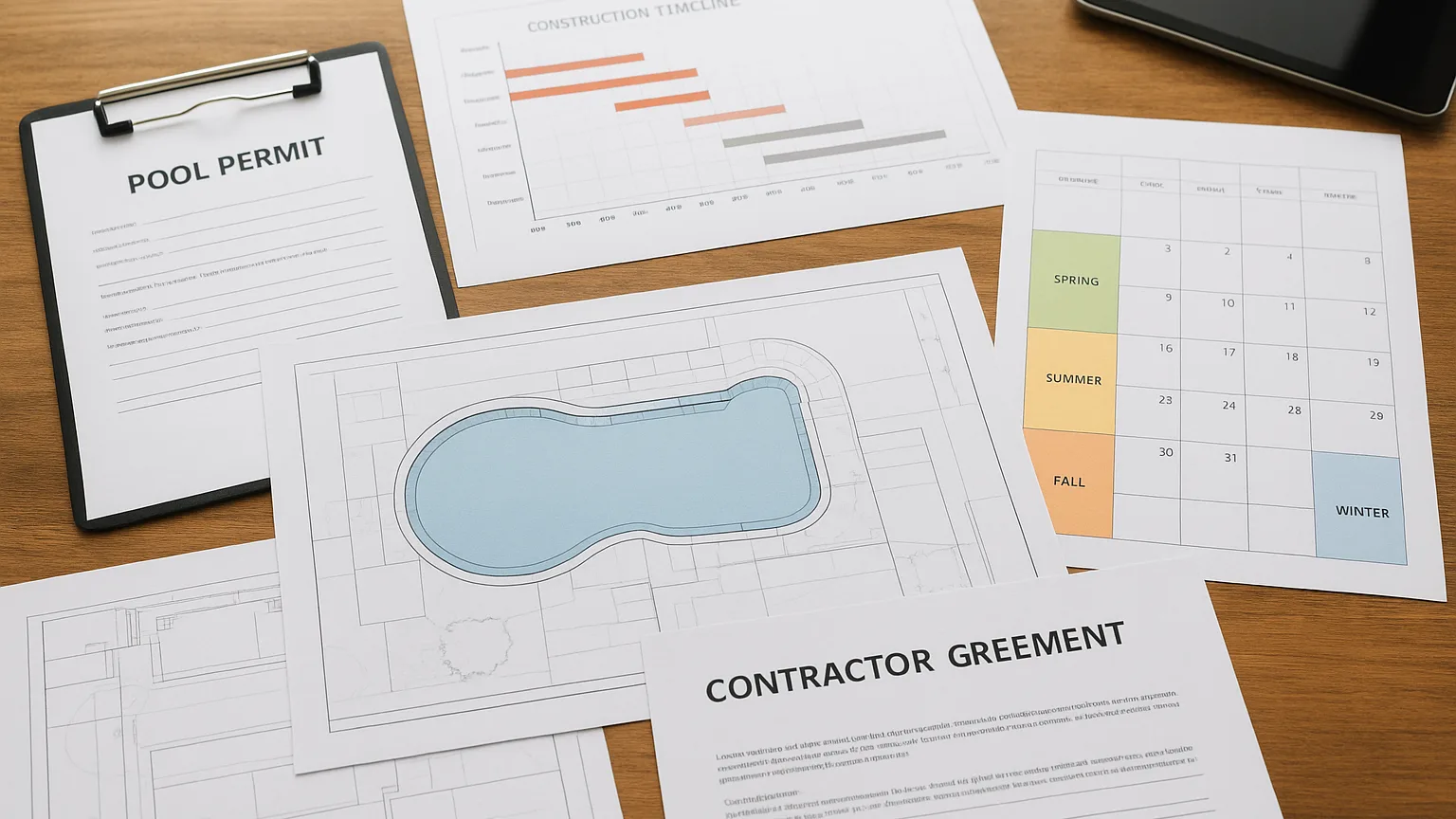
The third stretch shifts from dirt to decisions. Budgeting, permitting, and timing are where good projects quietly go sideways, usually months before anyone notices.
Permit review, barrier and fencing codes, setback rules, and utility locates all run on their own clock. Book a build for spring without accounting for that clock and you swim in August. Part three lays out a backward-planning method: pick your target swim date, then count backward through inspections, gunite cure, plaster, and startup to find the real date you need to sign.
The Money and the Fine Print
- How draw schedules are structured and which milestone should trigger each payment
- Allowances for tile, coping, and decking that hide thousands in variance
- Change order language and who absorbs rock, high water table, or soil surprises
- Written completion terms so a stalled job has consequences
The part closes on the question most homeowners never think to ask before signing, and why the answer tells you almost everything about how the project will actually run.
Pick Your Entry Point and Dig In
Read straight through if your remodel is still on paper. The parts build on each other, and the access decisions in part one are the ones that make everything in part two either easy or expensive. Taken together, the series answers one question from three angles: what does water in the backyard really cost, once you count the trenches, the patio, the permits, and the calendar?
If the remodel is already finished and you are standing on new concrete wondering what happens next, start with part two. If you have a bid in hand and a signature pending, go straight to part three and read the contract section before anything else. Each part stands on its own, so jump to the one that matches where your project sits today.