Blinds, shades, shutters and drapes all promise privacy, light control and lower energy bills. Our guides show which option suits each room, what a fair price looks like, and how to spot a weak installer quote before it costs you.
New guides land here the moment they publish. Start with the topic that matches your project, whether you are choosing coverings for a new build or replacing tired blinds in a home you have lived in for years.
Have a window question we have not covered yet? Send it our way.
A low number means very little when the scope behind it is vague. Hold every bid to the same five standards before you hand over a deposit, and the honest companies stand out fast.
Brand, series, material and color for every opening. A line that only says premium blinds leaves room for a cheaper swap later.
Who measures, whether each window gets an inside or outside mount, and what happens if an opening turns out to be out of square.
Taking down and hauling away the old blinds, rods and brackets, with any wall patching or touch up priced in writing.
A reasonable deposit at signing, the balance due after installation, and a payment method you can dispute if the job goes sideways.
Separate coverage for the product and the labor, the length of each stated plainly, and a name to call when something needs service.
Each option solves a different problem. Here is how they compare on the things homeowners ask about most, so you can narrow the field before you start collecting quotes.
Adjustable slats give precise light control at a friendly price. Faux wood holds up in kitchens and bathrooms, while real wood looks warm in dry living spaces.
Fabric that rolls, folds or stacks out of the way. Cellular styles trap air against the glass, and blackout liners make bedrooms noticeably darker.
Hinged panels mounted to the window frame that can last for decades and often add resale appeal. The upfront cost is higher, but you rarely replace them.
Soft panels on a rod that frame a window and add warmth, color and sound dampening. Layer them over shades for full privacy and light control.
Cellular shades, also called honeycomb shades, usually lead because their pockets trap air against the glass. Insulated shutters and lined drapes help too. Whatever you choose, a snug fit with small side gaps makes a bigger difference than most people expect.
Simple stock blinds for a small home can cost a few hundred dollars, while custom shutters throughout a larger house often run into the thousands. Window count, sizes, material, motorization and whether measuring and installation are included all move the price.
An inside mount sits within the window frame for a clean, built in look and needs enough frame depth. An outside mount covers the frame and some of the wall, which hides uneven openings and blocks more light around the edges.
Plan them before drywall and trim are finished. Knowing where shades, shutters or motorized blinds will go lets your builder add blocking for brackets, confirm frame depth and run low voltage wiring for powered treatments.
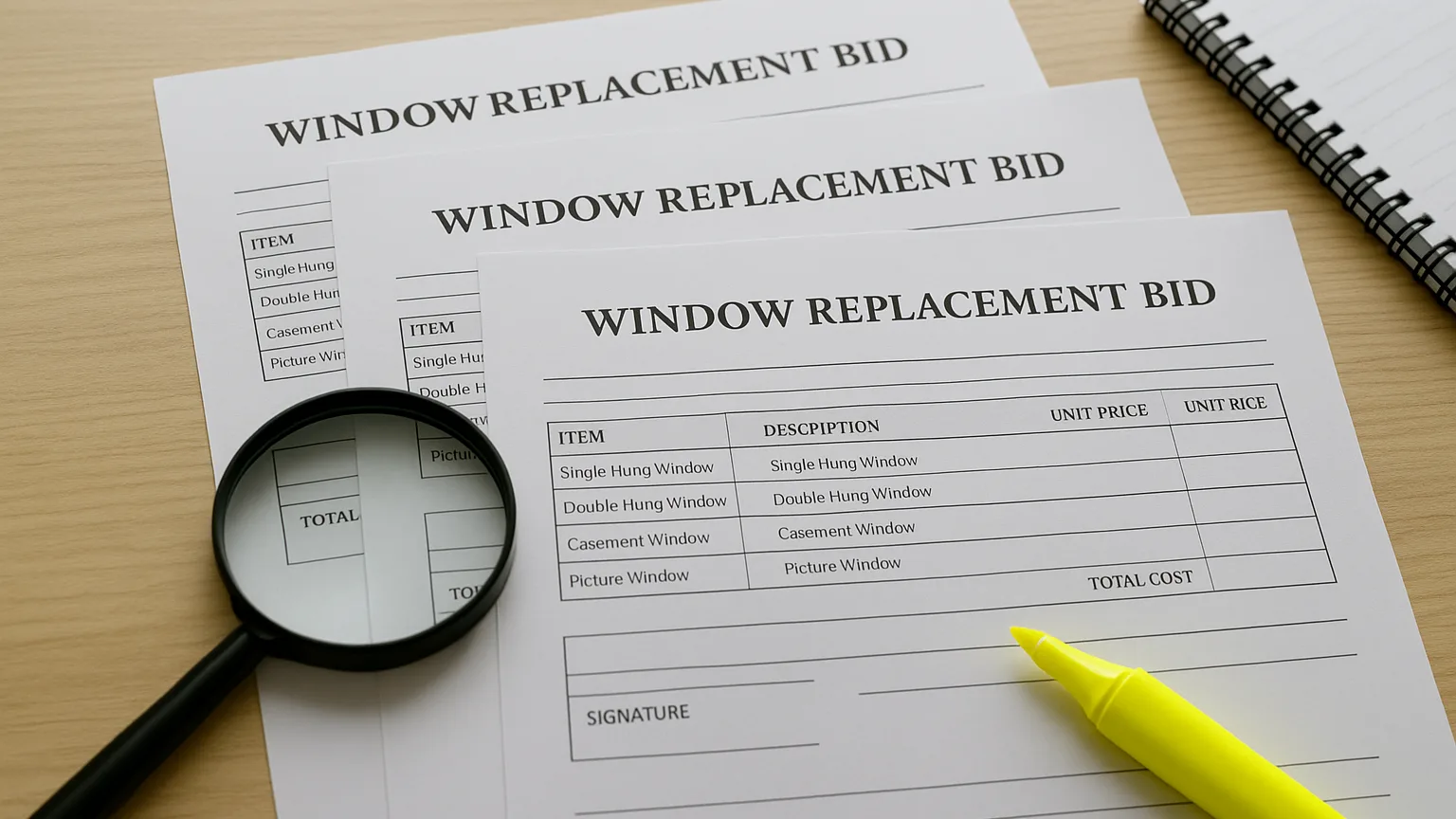
Put every bid on one sheet with matching rows for product, material, mount type, installation, removal of old coverings, deposit, timeline and warranty. The empty rows usually explain why one price is lower than the rest.
For homes with young children or pets, yes. Cordless and motorized designs remove dangling cords, which safety groups have long flagged as a strangulation hazard, and they look cleaner on the window too.
Still weighing your options for a specific room?