Thin patches, yellow turf and dry spots usually have a cause you can find in a few minutes. Our landscaping guides help you read your yard, fix the real problem and stop spending money on the wrong one.
Work through the series in order or jump to the problem in front of you. Each guide explains the cause first, then the fix, so the repair actually holds.
Have a yard question we have not covered yet? Send it our way.
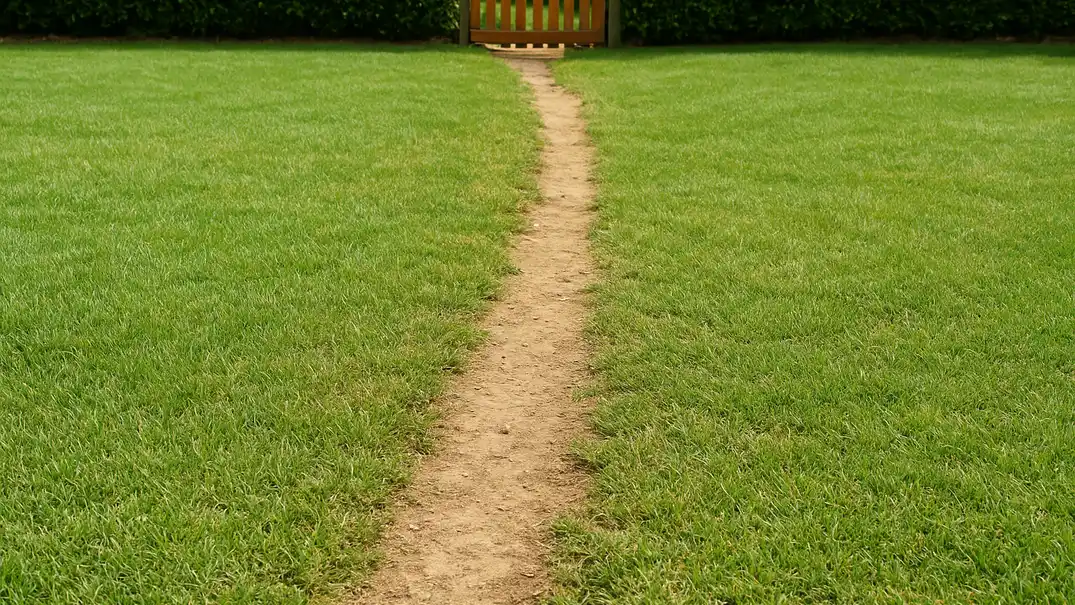
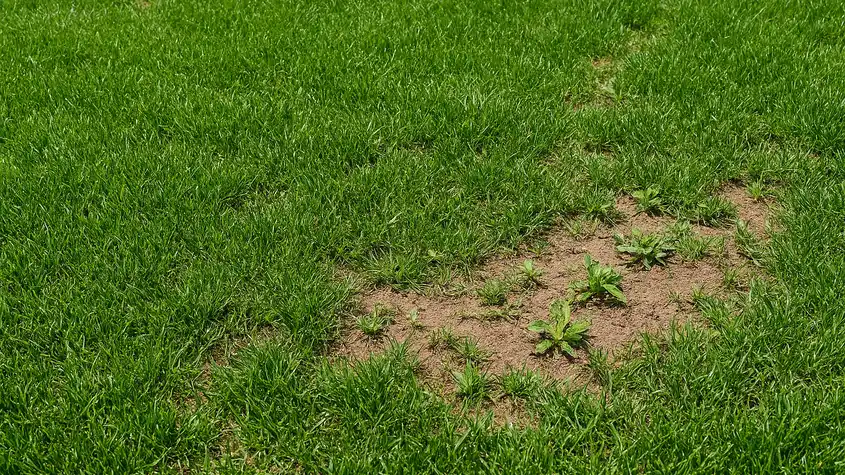
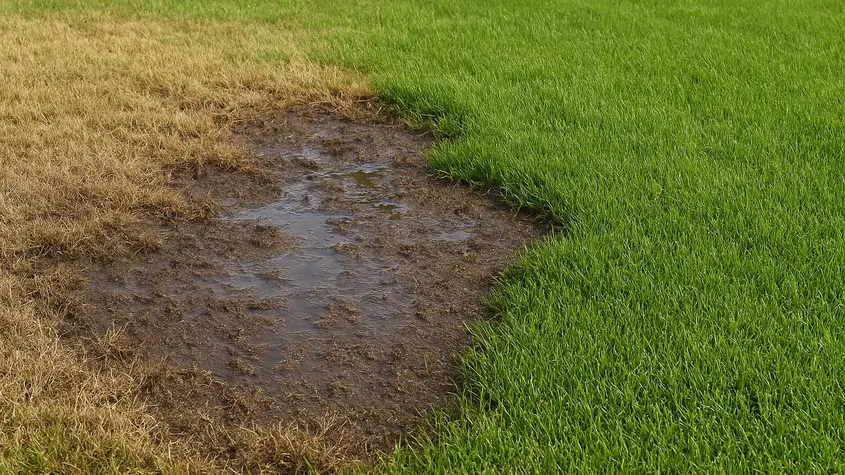
Drought fades a lawn evenly, so a patch with clear edges usually points to something physical such as foot traffic, compacted soil, shade or a clogged sprinkler head. Push a screwdriver into the soil to check for compaction before adding more water.
Deep, less frequent watering works best. In peak summer, two thorough soakings a week that wet the top several inches usually beat short daily cycles, which keep roots shallow and weak.
Uniform tan color in late fall and winter is normal dormancy. Part the blades and check the crowns at the base. If they are firm and slightly green, and runners tug back when you pull them, the lawn is alive and resting.
Repair during active summer growth, when the grass can spread back over the area. Relieve compaction first, remove whatever caused the damage, then let runners or new plugs fill in with light, steady feeding.