Pool by Labor Day? Why Fiberglass Beats Every Other Option on Speed
A full breakdown of what really happens during a fiberglass pool installation, why the timeline is so compressed, and how homeowners can actually swim the same summer they sign the contract.


Picture signing a pool contract in May and floating on a raft by the Fourth of July. That is not a marketing fantasy. It happens every year in thousands of backyards across the country, and the reason comes down to one building method that quietly changed the game for homeowners who would rather swim than wait.
Fiberglass pool installations routinely wrap up in two to six weeks, while concrete and gunite projects often stretch across three to six months or longer. According to the Association of Pool and Spa Professionals, the pool and hot tub industry supports more than 380,000 jobs and generates billions in annual economic activity, with fiberglass holding a steadily growing share of new residential installs. The speed advantage is not a small detail. It is the single biggest reason families choose fiberglass when they want a functional backyard in the same calendar year they broke ground.
The Factory Does Most of the Work Before the Truck Ever Arrives
Here is the part most homeowners never think about. A fiberglass pool is not really built at your house. It is built inside a climate controlled factory weeks or even months before it shows up on a flatbed truck.
Workers spray gelcoat into a mold, layer in vinyl ester resin, apply fiberglass matting, and let every layer cure under conditions that never vary. No rain delays. No cold snaps. No humidity problems. By the time the shell is loaded for delivery, it is already a finished swimming pool. The crew on your property is not constructing something from scratch. They are installing a product.
That single fact collapses the timeline in ways other pool types simply cannot match. Concrete pools have to be shaped, sprayed, cured, tiled, and plastered on site, and each of those stages depends on weather, crew availability, and material deliveries lining up in the right order.
When it comes to hiring a quality carpet cleaner, it's important to note that not all carpet cleaners are the same. You'll find some that are cheap, and you'll find some that charge an arm and a leg. The key, is finding a carpet cleaner that you feel comfortable and can . To do this, we've listed the top factors to keep in mind when looking to hire a carpet cleaner.
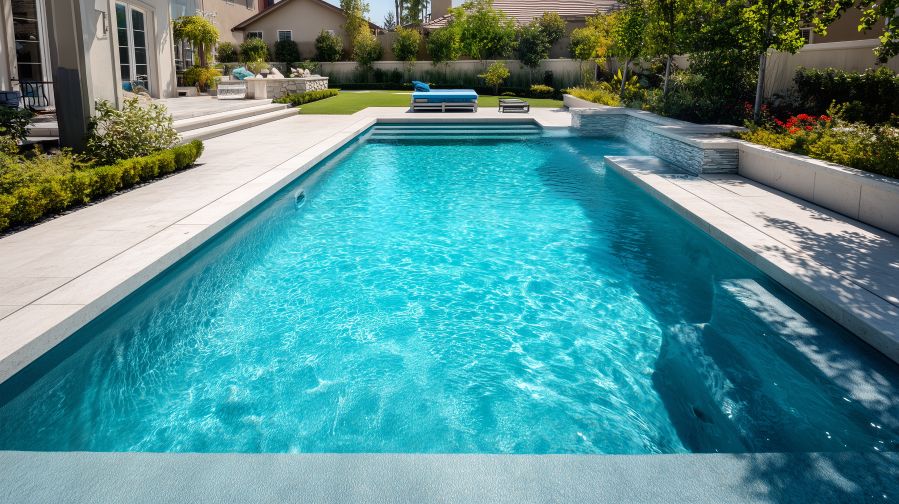
A Realistic Week by Week Look at Installation
Timelines vary based on permitting, weather, and backyard access, but most fiberglass jobs follow a rhythm that looks something like this.
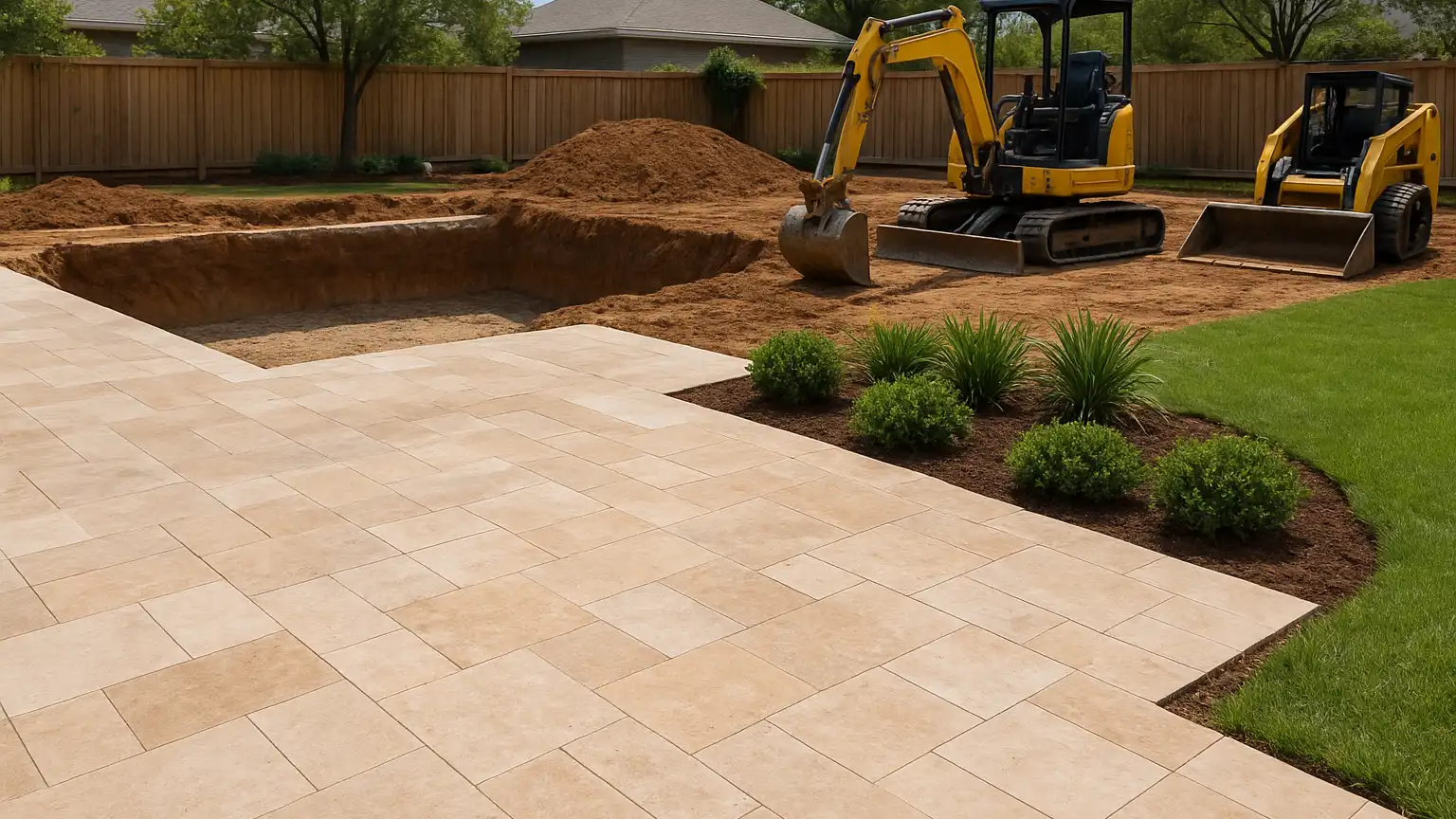
- Days 1 through 3: Excavation. The crew digs the hole to match the shell's exact dimensions, usually within one business day if access is good.
- Days 3 through 5: Shell delivery and setting. A crane lowers the pool into place. This part feels dramatic. It is also surprisingly quick, often finishing in a single afternoon.
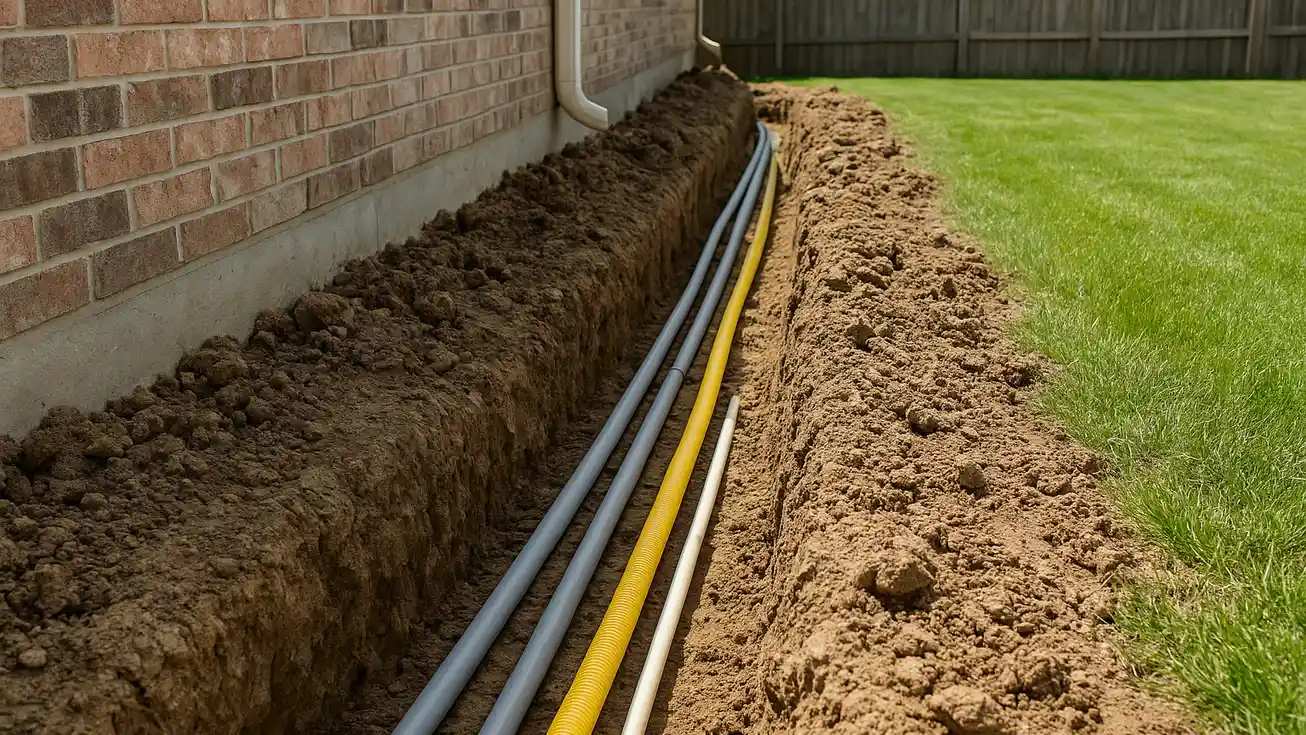
- Days 5 through 10: Plumbing, backfill, and initial water fill. Crews run lines for skimmers, returns, and main drains while carefully balancing water inside the shell with clean gravel backfill outside it.
- Days 10 through 18: Electrical, equipment pad setup, and bond inspections. Pumps, filters, heaters, and automation go online.
- Days 18 through 25: Coping, decking prep, and final grading. Some homeowners choose simple concrete. Others go with pavers or travertine.
- Days 25 through 30: Startup, water chemistry balancing, and handoff.
Some installations finish faster. Complicated sites with difficult access, retaining walls, or elaborate hardscape packages can push into six or seven weeks. Either way, the math still lands well under half the time of traditional construction.
Why Concrete and Vinyl Take So Much Longer
To really understand the speed gap, it helps to look at what the other options require.
Concrete and Gunite
These pools are sprayed in place using pneumatic equipment, then troweled by hand. After the shell is shot, it needs roughly 28 days to cure properly before tile and plaster can go on. Plaster itself is applied on site and then requires daily water care for weeks as it hardens. Add tile work, coping, decking, and weather delays, and four months is a reasonable average.
Vinyl Liner
Vinyl pools install faster than concrete but still trail fiberglass. Crews have to build a wall panel structure, pour a footing, install the floor, hang the liner, and coordinate multiple subcontractors. Weather affects almost every stage. Four to eight weeks is typical.
Fiberglass skips nearly all of that because the hardest part, the shell itself, was already completed at a factory with quality controls that no jobsite can replicate.
The Weather Factor Most Homeowners Underestimate
Rain is the silent killer of pool timelines. A concrete pour delayed by three days of storms can cascade into two weeks of lost progress because every subsequent crew gets rebooked. Fiberglass shells, by contrast, can be set in almost any weather short of a severe storm. Once the shell is in and backfilled, most of the remaining work happens above ground or inside the equipment pad, which crews can complete in conditions that would halt other pool builds entirely.
This matters especially in regions with short building seasons or unpredictable weather patterns. Homeowners in the Midwest, Northeast, and mountain states often lean toward fiberglass specifically because it gives them a realistic shot at finishing inside a single warm window.
What the Pros Actually Say About the Speed Difference
Nate, a project manager at Saturn Pools in Glendale who has overseen hundreds of residential installations, put it simply in a recent conversation. "Families come to us stressed out because a neighbor's concrete pool took eight months and turned their yard into a construction zone all summer. When we show them the timeline on a fiberglass build, you can see the relief on their faces. They get their backyard back quickly, and they actually get to use the pool the same year."
Quick Sidebar: Matching the Pool to the Landscape
Speed is great, but a rushed design decision is still a rushed decision. Before signing anything, take a weekend to think through shape, placement, and how the pool will sit inside the larger yard. A helpful guide to choosing the right pool design walks through sightlines, sun exposure, and how different shapes work with different yard sizes. Five minutes of reading here can save a year of regret later.
Regional Spotlight: Why Arizona Has Become a Fiberglass Hotspot
Phoenix and the surrounding suburbs have seen a noticeable shift toward fiberglass over the last decade, partly because of heat, partly because of soil conditions, and partly because homeowners here simply expect projects to move fast. A recent roundup of top Phoenix pool builders highlights how the local market has responded with faster timelines and better design libraries. Arizona's dry climate is also genuinely kind to gelcoat, which extends the cosmetic life of the shell compared to wetter regions.
The Hidden Costs of a Slow Build
People focus on the price tag and miss the real cost of a project that drags on.
- Extra months of port a potty rentals, fencing permits, and dust control in the yard.
- Landscaping you cannot install until the pool is finished, which means another full season before the backyard looks like a backyard.
- Financing costs that pile up when a project runs past its scheduled end date.
- The intangible cost of missing an entire swim season with kids who will never be that age again.
Faster is not just more convenient. It is measurably cheaper in ways that never show up on the original quote.
Does Faster Mean Lower Quality?
This is the question every skeptical homeowner asks, and it deserves a straight answer. No, fiberglass is not a shortcut product. The shells themselves are manufactured under controlled conditions that produce tighter quality standards than any site built pool can match. Structural warranties on major brands routinely run 25 years to lifetime. Gelcoat finishes last 15 to 25 years before needing attention. The speed comes from smart sequencing and factory manufacturing, not from cutting corners.
A fiberglass pool installed correctly is every bit as durable as a concrete pool, and in many cases more so because there is no plaster to refinish every decade.

The Bottom Line on Fiberglass Speed
The speed difference between fiberglass and every other pool type is not a marketing gimmick. It is the direct result of moving the hardest part of pool construction off the jobsite and into a controlled factory environment, which turns what used to be a months long ordeal into a project measured in weeks. Homeowners get their yards back faster, skip most of the weather related delays, and usually save real money on the extended costs that come with drawn out builds.
For anyone staring at a patch of grass and wondering whether a pool is realistic for this summer rather than next, fiberglass quietly removes most of the obstacles that make people hesitate. The technology has matured, the manufacturers have refined their processes, and the installation crews have the sequencing down to something close to a science. What used to be a guess at when the backyard would be usable has become a predictable timeline, and that predictability might be the most underrated feature of the entire category.