Hiring a Pool Service Company (The Question to Ask First)
One simple request shows whether a pool tech really tests your water or just tosses in chlorine and drives off.

A green pool is rarely a chemistry problem. It is almost always a people problem.
Most homeowners hire a pool company the way they pick a pizza place. They scan reviews, compare a few prices, and hope for the best. Three months later the water turns cloudy and the filter pressure creeps up. Nobody can explain what happened.
You can avoid that mess before you sign anything. One question, asked early, tells you more than any star rating. It shows whether a company measures and records your water chemistry, or just drops a chlorine puck in the skimmer and leaves.
Pool builders have their own one question pool contractors hope you skip, and service companies work the same way. The right question puts them on the spot in a fair way. Good companies answer it in seconds. Weak ones stall.
The process holds up whether you want weekly cleaning or someone to fix a pump that sounds like a coffee grinder. Licensing, contract terms, pricing, and the visit itself all tie back to that first answer.
When it comes to hiring a quality carpet cleaner, it's important to note that not all carpet cleaners are the same. You'll find some that are cheap, and you'll find some that charge an arm and a leg. The key, is finding a carpet cleaner that you feel comfortable and can . To do this, we've listed the top factors to keep in mind when looking to hire a carpet cleaner.

The First Question: "Can I See Last Week's Service Log?"
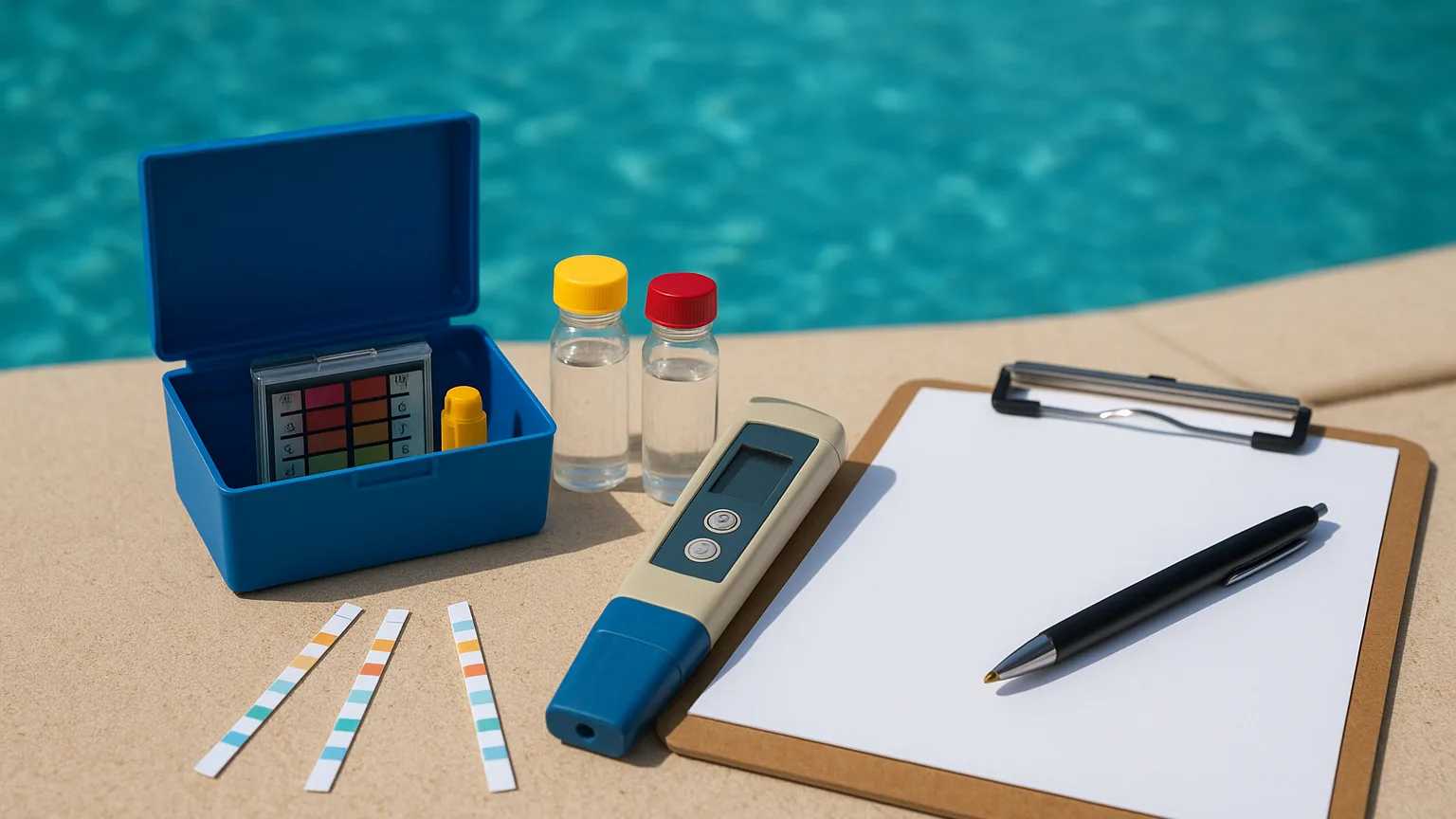
Ask this before price, before scheduling, before anything else: "Can you show me a real service report from one of your current customers last week?" They can black out the name and address. What you want is the data.
Why This Question Works So Well
A pool changes constantly. Sun burns off chlorine. Rain, refill water, and swimmers push pH around. A tech who never writes down numbers is guessing every single week. Those guesses add up to algae, etched plaster, and corroded heaters.
A written log also protects you. If your heater fails, the records show whether the water was balanced. Many equipment warranties can be denied when chemistry is off, so a paper trail matters more than most people realize.
What a Strong Answer Includes
- Free chlorine and combined chlorine readings
- pH and total alkalinity
- Cyanuric acid (stabilizer), tested at least monthly
- Calcium hardness, plus salt level for saltwater pools
- Every chemical added, with the amount
- Filter pressure and notes on the equipment
- A photo of the pool after cleaning
The best crews send all of this through an app right after they leave. In hot climates where water swings fast, that habit is a big reason property owners hang on to reliable Arizona pool crews for years instead of switching every season.
What a Weak Answer Sounds Like
"We just keep it looking good." "Our guys know what they're doing." Or a long, awkward pause. If they cannot produce a single report, they probably never make one.
We talked with the pros at H2O Pool Services in Surprise, Arizona, and owner Jason Miller said the question filters people fast. "Clear water can fool you for a few weeks," he told us. "Numbers can't. If a company won't show you its numbers, it doesn't have them."
Checking Licenses Without Taking Their Word
Licensing rules for pool work vary a lot by state. Weekly cleaning often needs little more than a business license. Repairs are a different story. Replacing a pump, rewiring a timer, or servicing a gas heater can require a contractor license, and electrical or gas work may need extra credentials.
California's Contractors State License Board licenses pool contractors, and repair jobs above a small dollar limit legally need one. Arizona uses the Registrar of Contractors. Florida has its own state registration for pool servicing contractors. Look up the number yourself on the state website. A photo of a license card proves nothing.
Before you hire anyone, ask for:
- A certificate of general liability insurance, sent straight from the insurer
- Proof of workers' comp if they have employees
- A Certified Pool and Spa Operator (CPO) card or similar training
- Their license number for any repair or equipment work
Contract Clauses That Should Make You Pause
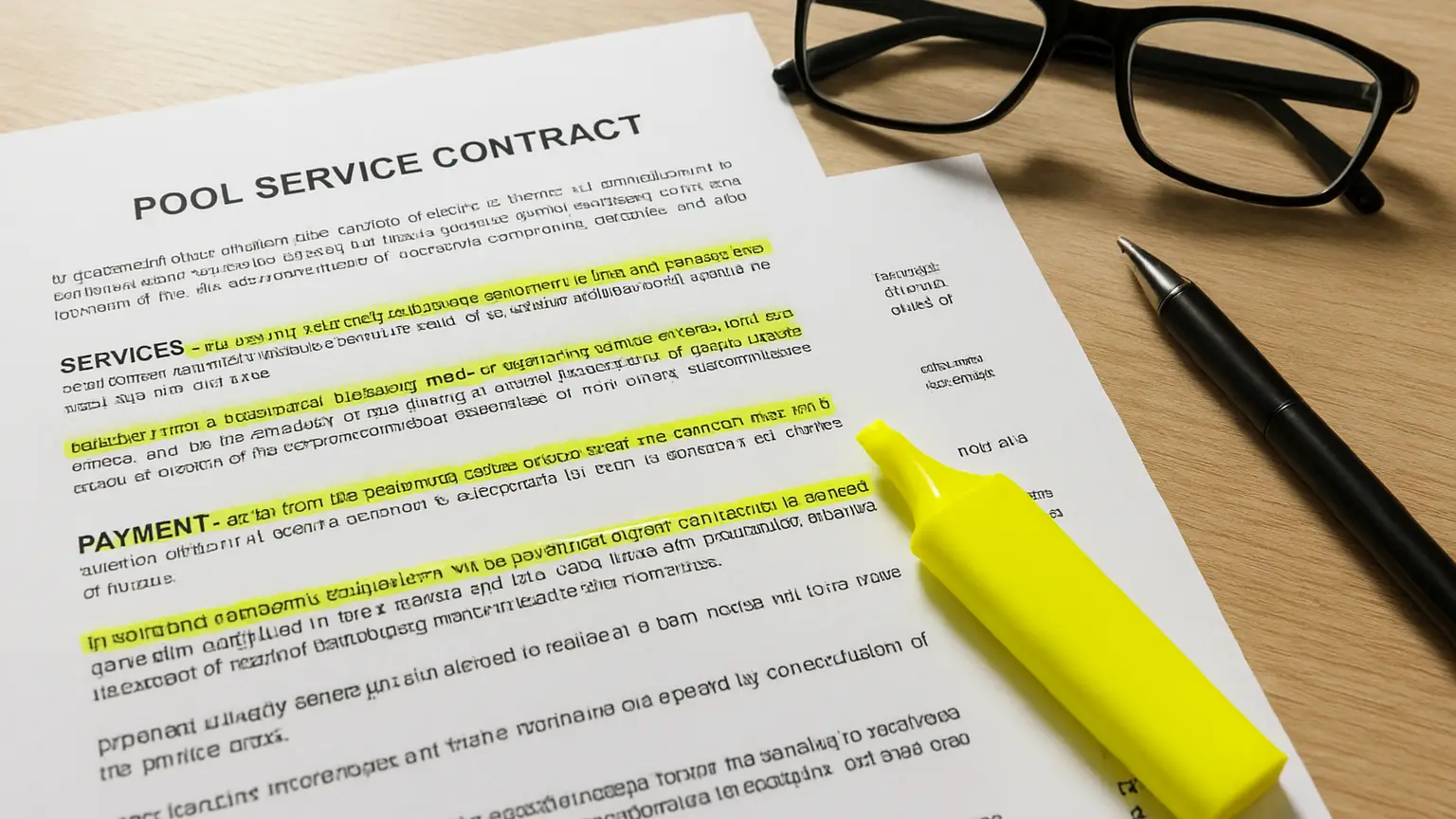
A fair service agreement is short and easy to read. Slow down if you see any of these:
- A 12-month term that auto-renews with a steep cancellation fee
- "Chemicals included" with no cap and no definition
- Vague "as needed" visits instead of a set service day
- Repairs approved by phone with no written estimate
- Language that blames you for any equipment failure
- Nothing about refunds or credits when they skip a week
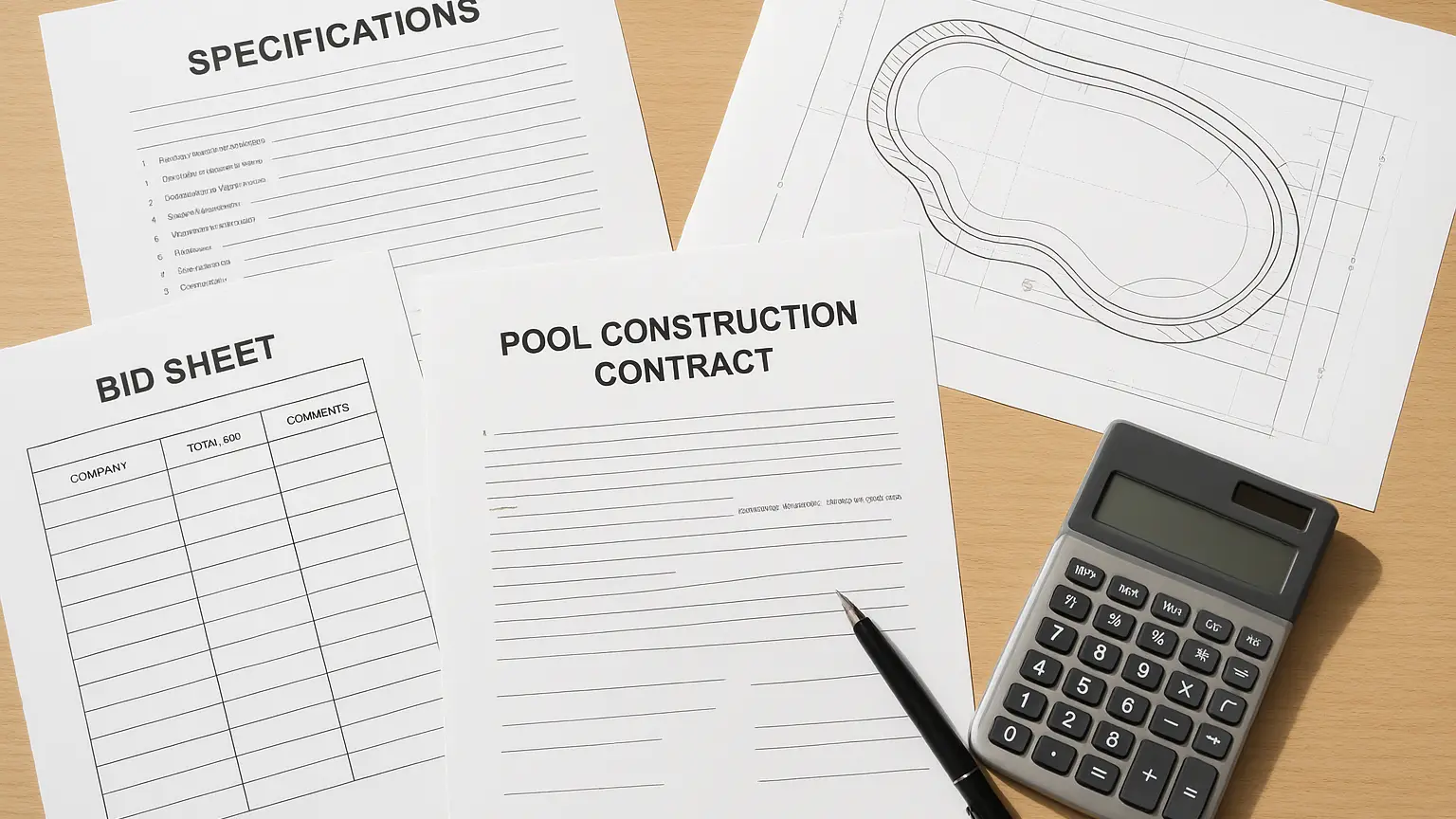
Builders hide fees in fine print too, so the reading habits you would use before you break ground on a new pool work just as well on a service plan.
Rachel Nguyen, a service manager at Blue Haven Pools, keeps her advice simple: "The best contracts fit on one page. Day of service, what's included, what costs extra, and how to cancel. If it takes four pages to explain weekly cleaning, something is buried in there."
What Fair Pricing Looks Like in 2026
Prices change with region, pool size, and whether chemicals are part of the deal. Sun Belt markets with year-round swimming tend to be competitive, which keeps rates reasonable. Here is a rough guide for a typical residential pool:
- Weekly service with chemicals: about $100 to $250 per month
- Filter cleaning: about $75 to $200 per cleaning
- Green pool recovery: about $200 to $600 or more
- Repair labor: often $85 to $150 per hour, plus parts
A quote far below local rates is a warning, not a bargain. Somebody pays for those shortcuts, and it is usually your equipment. Cheap service often means rushed visits, low-grade chemicals, or no testing at all.
Steady care also protects your home's value, since the argument that a pool is a smart investment falls apart quickly when buyers spot stained plaster and a rusty pump.
Anatomy of One Complete Service Visit
A real visit takes about 20 to 45 minutes for an average backyard pool, and longer when filter-clogging poolside plants keep shedding into the water. If your tech is in and out in under 15 minutes every week, steps are getting skipped. A complete visit should cover:
- Testing and balancing the water
- Skimming leaves and debris off the surface
- Brushing walls, steps, and the tile line
- Vacuuming the floor when needed
- Emptying skimmer and pump baskets
- Checking filter pressure and backwashing or flagging a cleaning
- Looking over the pump, heater, chlorinator, and timer for leaks or odd noises
- Leaving a written report
If the tech finds a leak or a failing motor, you should hear about it that day. Expect a photo and a written estimate before any repair work starts. No surprise charges on next month's bill.
Clear Water Starts With a Straight Answer
Hiring a pool service company gets much easier once you ask for last week's service log first. A company that tracks chlorine, pH, alkalinity, and stabilizer, and shares those numbers with photos, is a company that takes your pool seriously. Back that up with a license lookup, proof of insurance, and a one-page contract with clear cancellation terms, and most corner-cutters drop out on their own.
From there, compare prices against local rates instead of chasing the lowest quote, and hold every visit to the full checklist. Testing, brushing, baskets, filter checks, and a written report should happen every week. Ask the one question, watch how fast they answer, and you will know who deserves your gate code.