Grow Your Money While Your New Home Goes Up
A home build puts your money under a bright light. Use that pressure to fix your credit, cut debt and automate wealth before and after move-in day.
Building a home puts your money under a bright light. Lenders read every statement. Builders send draw schedules. Deadlines pile up. Most people just try to survive it. This series asks you to use that pressure instead.
What you'll learn
- Why a home build creates rare pressure and deadlines you can use to fix your whole financial life
- What construction lenders check between approval and closing, and which moves can sink your loan
- How to lower debt and protect cash reserves so you stay wealth-ready after the build
- Which bills, savings and investments to automate as soon as you get your keys
The Wealth Blueprint is for anyone planning, financing or finishing a new build who wants more than a house at the end. It walks you through one problem: how to come out of a build with stronger credit, steady cash flow and a growing net worth, not a stack of new bills.
The series was shaped with input from Zenith Investment Managment, a wealth management firm that helps families plan around big life purchases like a new home.
Your Build Year Money Map
Why the Months Before Move In Matter Most
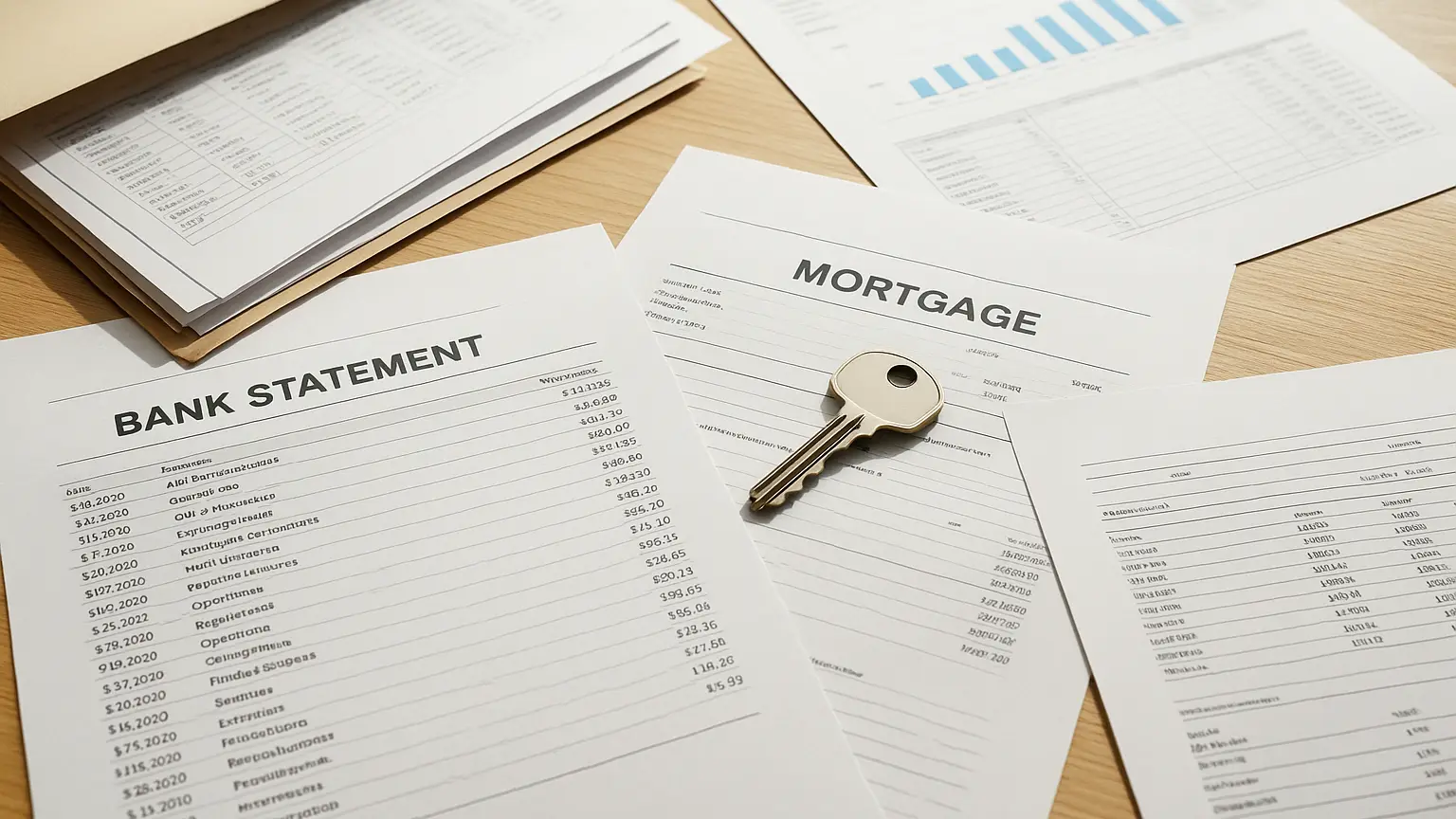
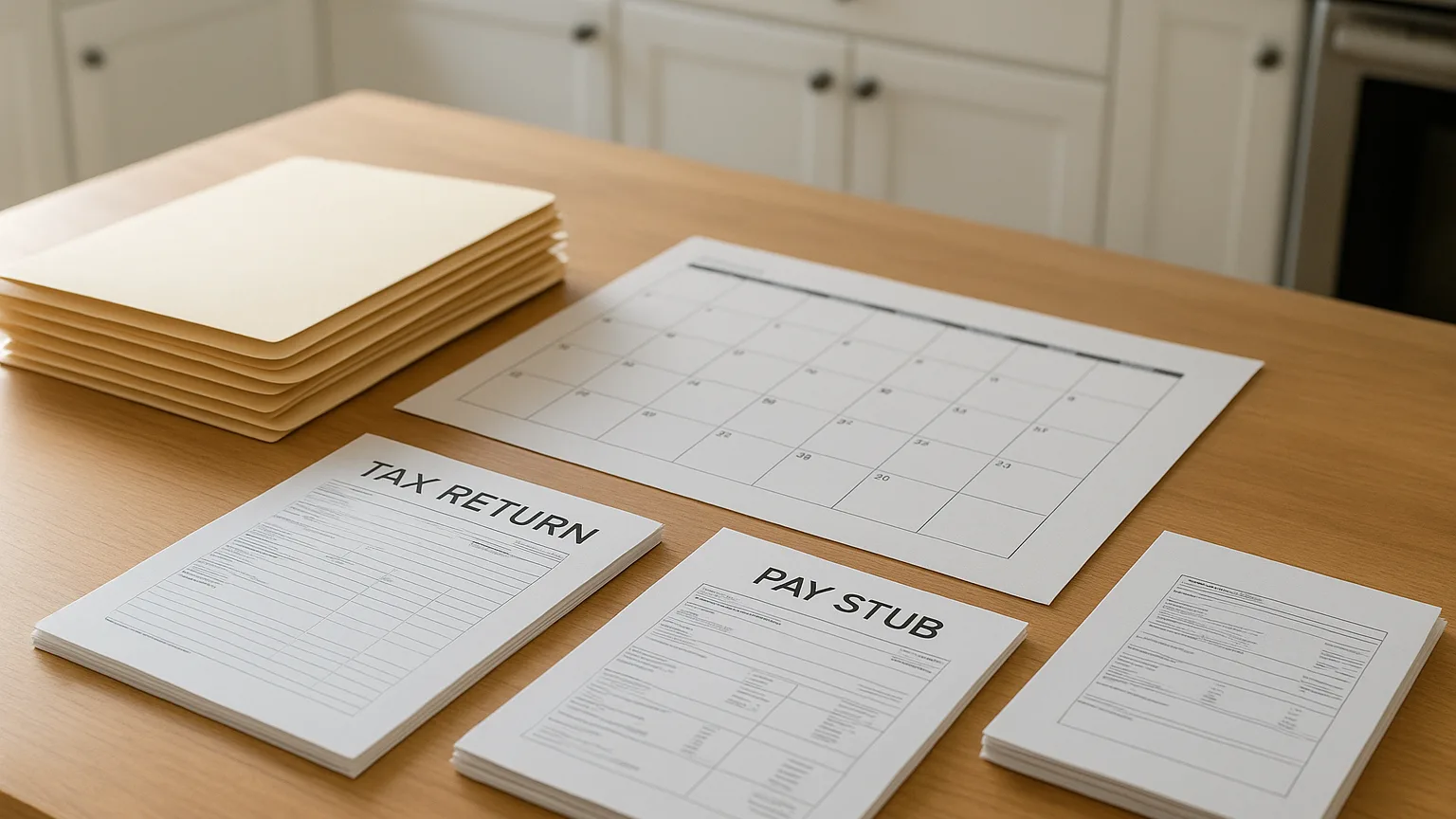
Part 1 starts before the first shovel hits dirt. During a build, you are already gathering pay stubs, tax returns and bank records. You are already setting dates. That is most of the work of a full money reset, and the build process hands it to you.
The trick is to widen the lens. If you are pulling statements for a lender, you can also see where your money really goes each month. If you are picking a move-in date, you can tie a savings goal to it. The build gives you a reason and a deadline, which is exactly what most money plans lack.
This matters because the window closes fast. Once you move in, the urgency fades and old habits creep back.
Building soon and want a second set of eyes on your budget, loan timeline or cash reserves? Send us your question and we will point you in the right direction.
Ask Your Question
Credit, Debt and Cash Flow Under the Microscope
Construction loans are stricter than a standard mortgage. The lender is betting on a house that does not exist yet, so they watch you closely from approval to closing. One new car loan or a maxed-out card can change the deal.
The middle of the series covers how to get lender-ready, including:
- Checking your credit reports early and fixing errors
- Paying down card balances to improve your debt-to-income ratio
- Holding off on new credit until the loan closes
- Keeping cash reserves for cost overruns and change orders
Then it shows why those same habits should stay. Low balances and a cash cushion help long after approval. They become the base of being wealth-ready for years.

The First Week Inside Your New Front Door
The last stretch begins when the keys land in your hand. A new home brings new costs all at once: a bigger utility bill, property taxes, insurance and the first repair you did not see coming. Without a plan, these drain the savings you just rebuilt.
The answer is automation. The final part explains which bills to put on autopay, how to split each paycheck into savings and a home maintenance fund, and when to start or raise automatic investing. Set it up once, early, and your home works for your net worth instead of against it.
Pro Tip: Keep One Money Binder for the Build
Use one folder, paper or digital, for every loan form, draw request and bank statement. When the lender asks for a document, you will have it in seconds. After move-in, that same folder becomes your household money file.
Pro Tip: Treat Approval to Closing as a Quiet Zone
No new cards, no furniture financing and no car loans until the final signature. Even a zero percent store offer can show up on your credit report. The new couch can wait a few weeks.
Where to Begin Your Own Blueprint
If your build is still a plan on paper, start with Part 1 and read each part in order. The steps stack on each other, so each one makes the next one easier.
If you are already mid-build or just moved in, jump to the part that fits your stage. Each part stands on its own, and you can circle back to the earlier ones when you have time.
Questions readers ask
Is a construction loan harder to get than a regular mortgage?
Usually, yes. The lender is funding a house that does not exist yet, so they often check your credit, income and cash reserves more closely and may check again before closing.
Can I open a new credit card while my home is being built?
It is best to wait until the loan fully closes. New credit can lower your score and change your debt-to-income ratio at the worst possible time.
How much should I save for home maintenance after moving in?
Many owners set aside about 1 to 2 percent of the home's value each year. Automating a small amount from every paycheck makes that goal easy to reach.
When is the best time to start a financial reset during a build?
Start as early as you can, ideally before you apply for financing. You will already be gathering documents, so you can review your full budget at the same time.