Keep Your Construction Loan Alive All the Way to Closing
Your build loan can still fall apart after approval. Learn the credit, debt and cash flow habits that carry you safely from approval to closing day.
Earlier, we looked at how the months before a build give you a rare chance to reset your whole money life. Now it's time to put that reset to work where it matters first: your loan approval.
Once you see how building and net worth connect, your credit score stops being a hurdle you clear once and becomes an asset you guard every week until closing day.
The ideas here were shaped with help from Zenith Investment Managment, whose wealth planning work looks at how big life moves, like building a home, fit into a long-term financial plan.
Approval Is Not the Finish Line
Here is the quiet mistake. Most people think the hard part is over once the lender says yes. So they relax. They open a store card to save 15 percent on a new couch. They finance a truck to haul supplies. They co-sign a loan for a family member.
With a construction loan, that can be a costly move. A build often takes six to twelve months, sometimes longer. Many lenders check your credit again before the final closing or before the loan converts to a regular mortgage. If your score drops or your debt climbs in that gap, your rate can change. In some cases, the loan can fall apart.
A regular home purchase might close in 30 to 45 days. A build stretches that same risk across a whole year. Every swipe, every new account and every late payment has more time to show up.
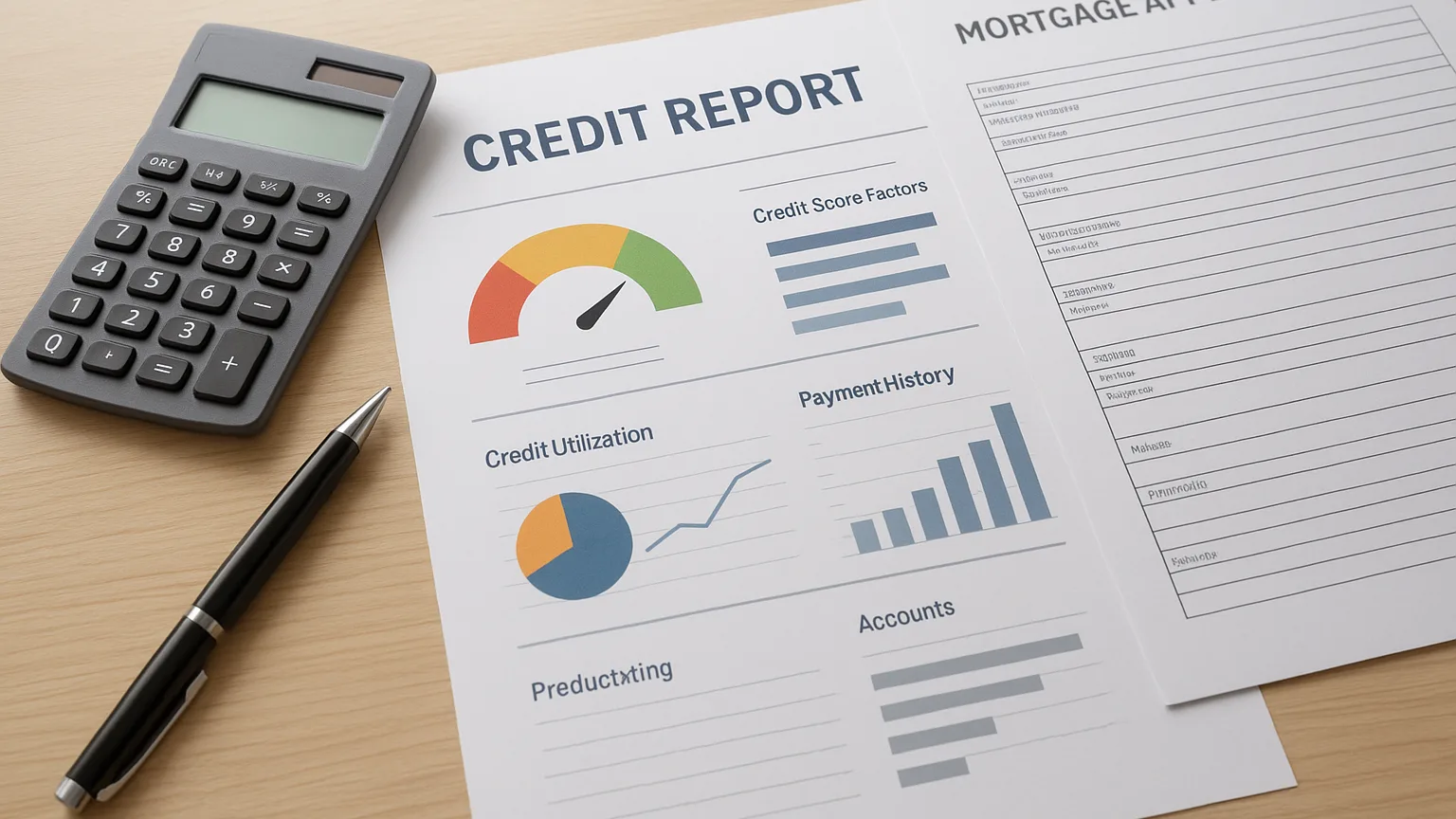
Get Your Credit Report Lender-Ready Early
Start working on your credit at least three to six months before you apply. That gives your fixes time to show up on your report.
- Pull all three reports. Check Equifax, Experian and TransUnion. Look for old addresses, wrong balances or accounts you don't recognize. Dispute errors in writing.
- Lower your card balances. Try to keep each card below 30 percent of its limit. Under 10 percent is even better.
- Pay before the statement date. Card companies usually report the balance on your statement, not on your due date. Paying early makes your usage look lower.
- Keep old cards open. Closing them shortens your history and cuts your total available credit.
- Set every bill to autopay. Even the minimum works. One 30-day late payment can drop a good score fast.
Construction lenders tend to want stronger credit than lenders on existing homes. They are betting on a house that doesn't exist yet. A clean report makes that bet much easier for them to take.
Building soon and want a second set of eyes on your budget, loan timeline or cash reserves? Send us your question and we will point you in the right direction.
Ask Your Question
Debt and Cash Flow Lenders Actually Study
Your score opens the door. Your debt and cash flow decide how wide it opens.
Know Your Debt-to-Income Number
Lenders add up your monthly debt payments and divide them by your gross monthly income. That's your debt-to-income ratio, or DTI. Many lenders like to see it under 43 percent, and lower is better. Paying off a small car loan or personal loan before you apply can move this number more than you'd expect.
Show Steady, Boring Cash Flow
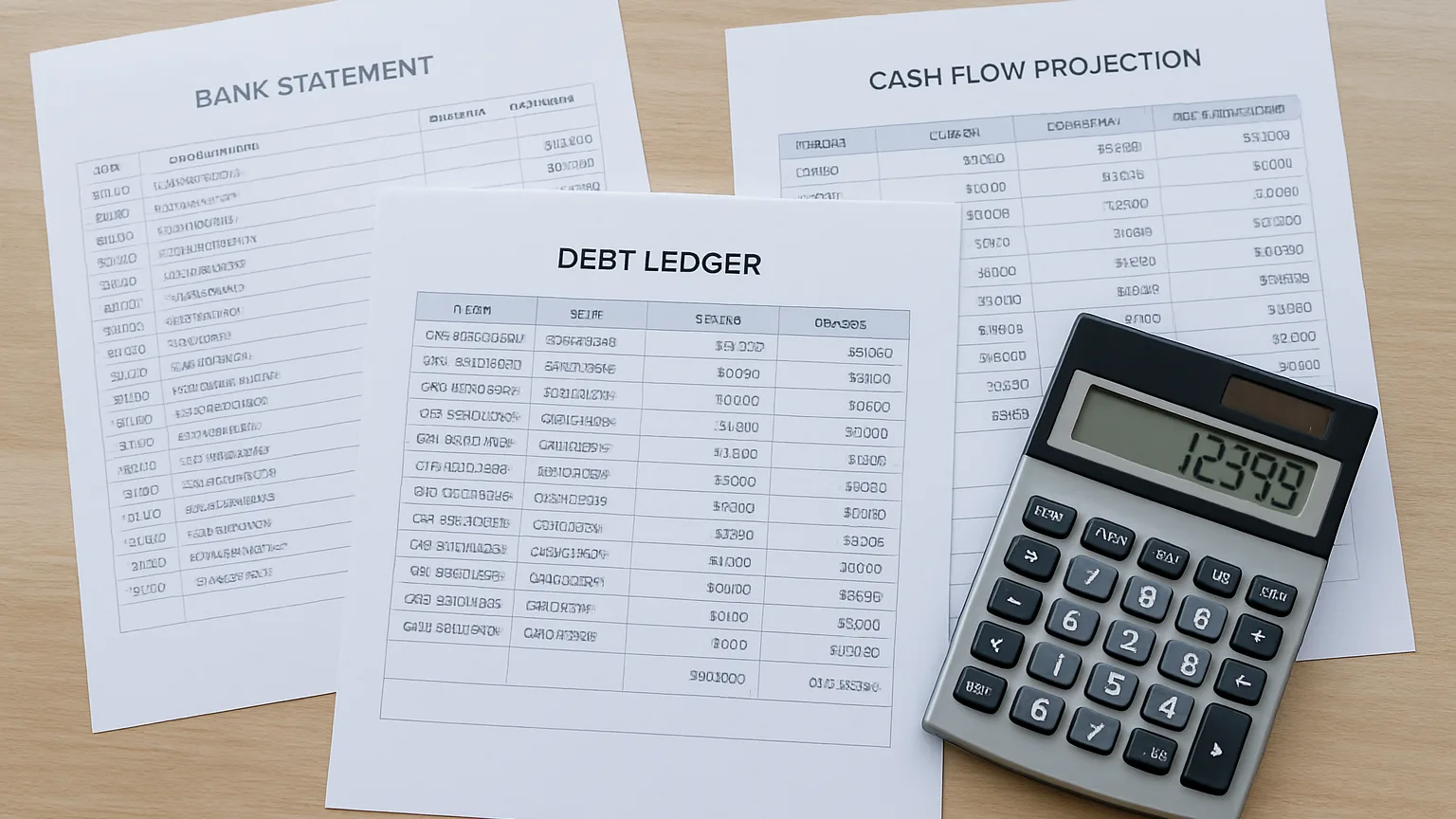
Construction loans often require cash reserves. That money proves you can handle surprises, like a lumber price jump or a change order. Lenders will read your bank statements line by line. Large deposits you can't explain will raise questions. So will cash bouncing between accounts with no paper trail.
"The families who close smoothly are rarely the ones with the highest income," says Marcus Delgado, senior wealth advisor at Zenith Investment Management. "They're the ones whose accounts tell a simple, predictable story from month to month."
Keep your paychecks landing in one account. Get a signed gift letter for any money from family. Hold off on shuffling savings around until after closing.
Your Hands-Off List Until the Final Signature
Tape this list to your fridge. Until the loan fully closes and converts, avoid:
- Opening any new credit card, even with a big sign-up discount
- Financing furniture, appliances or a car
- Co-signing anything for anyone
- Changing jobs or moving from salary to commission without talking to your lender
- Making large cash deposits without paperwork
- Letting any bill slip, including medical bills that can land in collections
If something big comes up, call your loan officer first. A two-minute conversation can save you months of stress.
Pro Tip: Pad Your Budget for the Draw Schedule
Construction loans pay your builder in stages, called draws. During the build, you may pay interest only on the money drawn so far. That bill grows as the house goes up. Many people also keep paying rent or a current mortgage at the same time.
Map out both payments month by month. Then set aside a cushion so you never reach for a credit card to cover a gap. That one habit protects your score through the whole build.
Pro Tip: Keep the Habits Long After Approval
The discipline that gets you approved is the same discipline that builds wealth. Low card balances, steady cash flow and few new debts don't stop mattering at closing. They just start working for you instead of for the lender.
This lines up with the planning view behind Zenith Investment Managment's work: your home is one piece of a bigger plan, not the whole plan. Once you move in, the next step is deciding what to automate first, from bills to savings to a home maintenance fund. Setting those up in your first week keeps the momentum going.
Guard the Score, Then Grow the Wealth
A construction loan isn't safe just because it was approved. The long gap between yes and closing day gives small slips time to matter. Clean up your reports early, keep balances low, pay every bill on time and keep your debt-to-income ratio in check. Let your bank statements tell a calm, simple story, and keep a firm hands-off list until the final signature.
The best part is that none of these habits expire. The same moves that protect your build loan also lay the groundwork for real, lasting wealth. Treat closing day as a starting line, not a finish line, and your new home becomes the base you build everything else on.