Your Home Build Is the Money Reset You Never Planned For
A home build forces you to face your money. Use those deadlines and that lender scrutiny to reset your whole financial life before the window closes.
Most people treat a home build like a long, stressful errand. You pick a floor plan, sign papers, wait on the crew, and hope the budget holds. Then you move in and life goes back to normal. That is the problem. The months before and during a build are one of the few times your money is fully on the table. Lenders see it, builders ask about it, and you are already gathering every statement you own. Once you get your keys, that clear view fades fast, so it pays to grasp the money side of building before the first contract lands.
This guide draws on the thinking of Zenith Investment Managment, whose work with households planning big life changes shaped the ideas here. Their view is simple: big moments create focus, and focus is the best tool you have for fixing your finances. A build hands you that focus, with real dates, real people checking your numbers, and a real home at stake.
Why Build Deadlines Beat Willpower Every Time
Willpower is weak. Deadlines are strong. Most of us know we should clean up our accounts or set up a real savings plan, but nothing forces the issue. A build gives you a calendar full of moments where your money has to be ready:
- Pre-approval: the lender pulls your credit and asks about every debt.
- Selections and upgrades: you decide how much cash you can spend on finishes.
- Draw schedules: money gets released in stages as the work moves forward.
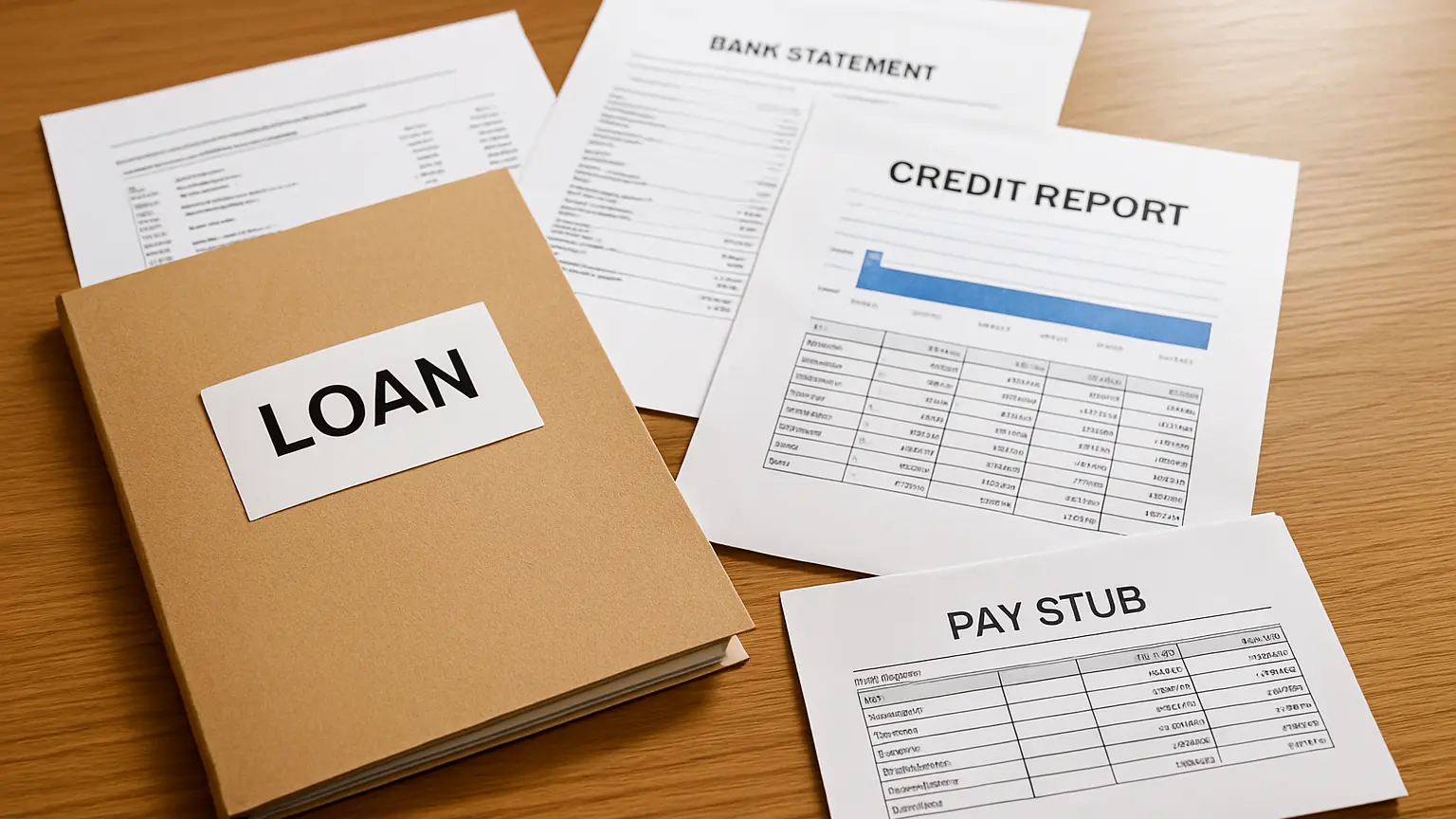
- Final approval before closing: your file gets checked again, often with fresh pay stubs and bank statements.
Each one is a chance to fix one piece of your financial life. Treat them not as hoops but as a free schedule for getting organized. You have to show up anyway, so show up better than you were a month ago.
Building soon and want a second set of eyes on your budget, loan timeline or cash reserves? Send us your question and we will point you in the right direction.
Ask Your Question
Five Money Areas to Untangle Before Framing Starts
You do not have to fix everything at once. Like the deadline-driven approach above, this checklist was shaped by insights from Zenith Investment Managment, whose wealth management experience informs the approach here: start with the five areas a build touches anyway. They give you the biggest payoff for the least effort.
- Your full account list. Write down every checking, savings, retirement, and credit account. Close forgotten ones, but ask your lender first.
- Your real monthly spending. Pull three months of statements and sort them. Most people find a few hundred dollars leaking each month.
- Your debt map. List each balance, rate, and due date on one page so the next step is obvious.
- Your cash cushion. Builds run over. Plan for a buffer beyond the down payment and closing costs.
- Your long-term accounts. Check who is listed as beneficiary and whether you are still contributing on autopilot.
Keep everything in one folder, paper or digital. Your lender will ask for most of it, and you will have a clear picture for years.

How the Window Quietly Slams Shut
Here is how it usually goes. The build ends, boxes pile up in the garage, and new bills arrive for water, trash, internet, and insurance. A few months later, someone is buying patio furniture on a card because the house "needs it." The window does not close with a bang. It closes when you stop looking, the day nobody is checking your file anymore.
"People are never more organized than they are during a home build, and they rarely notice it," says Daniel Reyes, senior wealth advisor at Zenith Investment Management. "The smart move is to keep the systems you built for the lender and point them at your own goals instead."
That shift is the whole idea. You are not building new habits from scratch. You are keeping the ones the build already forced on you and giving them a longer job.
Pro Tip: Do a Money Walkthrough Like a Site Visit
You walk the job site to check the framing and the wiring. Do the same with your finances once a month during the build: thirty minutes, your accounts open, checking what came in, what went out, and what changed.
Keep notes where you track the build. When the house is done, the habit will already feel normal, which makes it much easier when it is time to start automating your bills, savings, and upkeep fund in the first week after the move.
Pro Tip: Guard Your File Until the Very End
Lenders often check your credit and accounts again right before closing. A new car loan, a store card for appliances, or a large cash move can raise flags. Hold off on big purchases until the keys are in your hand.
This is where many builders trip without knowing it, and the details behind getting your credit lender-ready for a build loan matter more than most people expect. Treat your credit like the foundation of the house. Nobody pours a slab and then digs under it.
Pro Tip: Write One Goal for the Day After Closing
Pick a single money goal to start the week you move in, such as a set amount to savings each payday or a home repair fund. Write it down now, while you still care about every dollar. The guidance from Zenith points the same way: goals tied to a real date tend to stick, while vague plans drift.
Keep the Blueprint Long After the Builder Leaves
A home build gives you something most people never get: a full, honest look at your money, backed by real deadlines and real people checking your work. Using the steps you must take anyway to clean up accounts, cut waste, and plan ahead turns a stressful process into a fresh financial start. Just do not let the window close when the crew packs up. Keep the monthly walkthrough, protect your credit until closing day, and carry one clear goal through your new front door. Next, the focus moves to the credit, debt, and cash flow habits that get your build loan approved and keep you on solid footing long after you sign.