Turn Move-In Week Into Your First Real Wealth Milestone
Your new home has a breaker panel for money. Flip the right switches in week one and bills, repairs and savings run on their own.
Getting ready for your build loan meant clean credit, lower debt and a clear view of your cash flow. Those habits got you through construction loan approval. Now the keys are in your hand, and the real test starts. A new home can slowly drain your money, or it can grow your net worth year after year.
The ideas here were shaped with help from Zenith Investment Managment, whose wealth planning work centers on money habits that run without daily effort. Their view is simple. Most people do not fail because of a bad plan. They fail because the plan depends on remembering.
So picture your finances like the breaker panel in your garage. Each circuit powers one job in a wealth plan for new homeowners. Flip them all on during move-in week, label them clearly, and let them run while you unpack boxes.
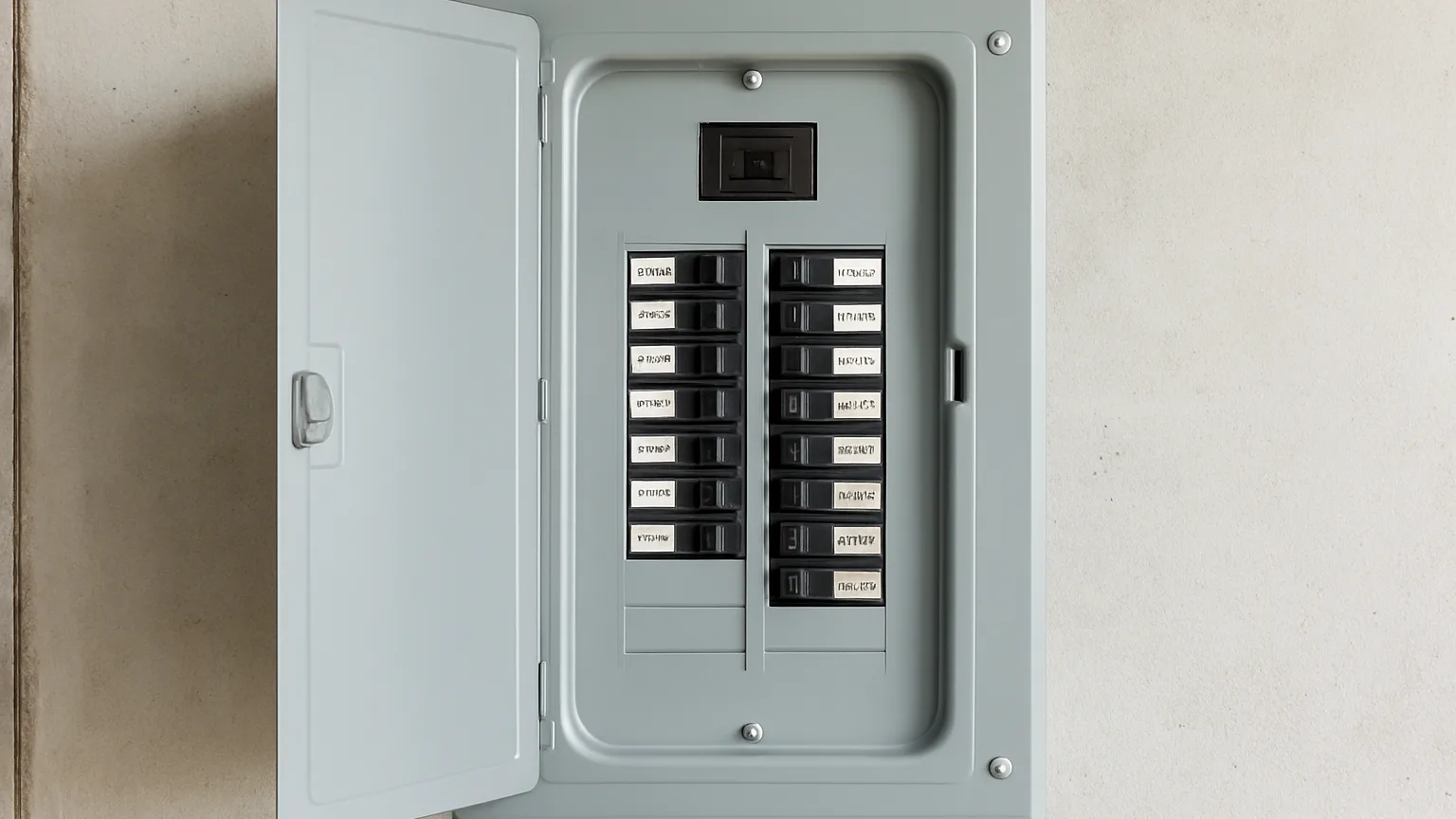
The Bills Circuit That Keeps Your Credit Clean
Line up due dates with payday
Your first mortgage payment usually comes due about a month or two after closing. Call your lender and confirm the date. Then move every other due date so it lands two or three days after your paycheck hits. Most utility companies and card issuers will let you pick a date if you ask.
Next, set autopay for every fixed or near-fixed home bill:
- Mortgage payment, plus any escrow changes
- Electric, water, gas and trash
- Internet and phone
- HOA dues, if you have them
- Home insurance, if it is not paid through escrow
Run all of these from one "house" checking account. Fund it with a set transfer each payday. When the house has its own account, you can see the true cost of living there at a glance.
Building soon and want a second set of eyes on your budget, loan timeline or cash reserves? Send us your question and we will point you in the right direction.
Ask Your Question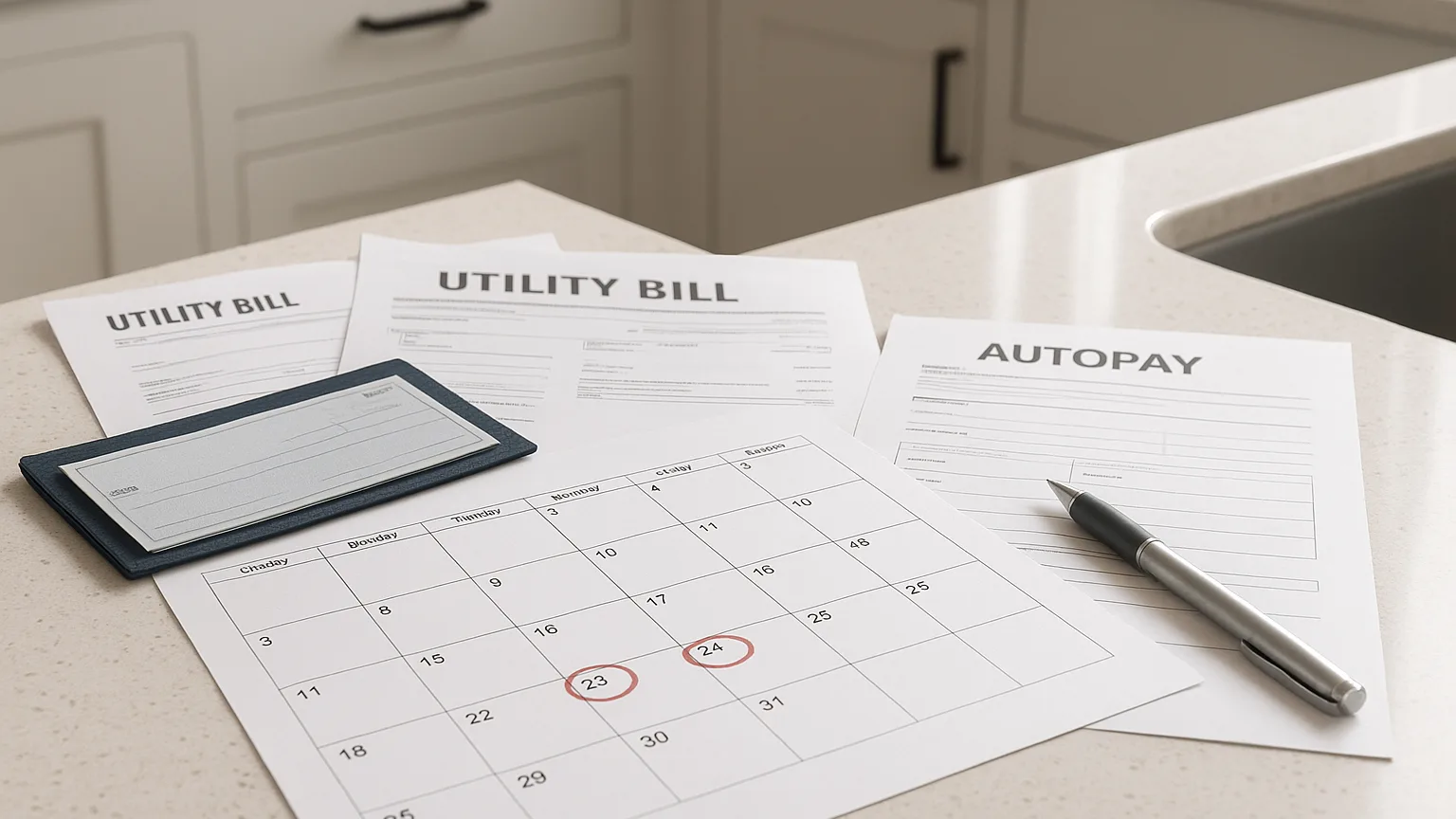
Funding Repairs Your House Has Not Needed Yet
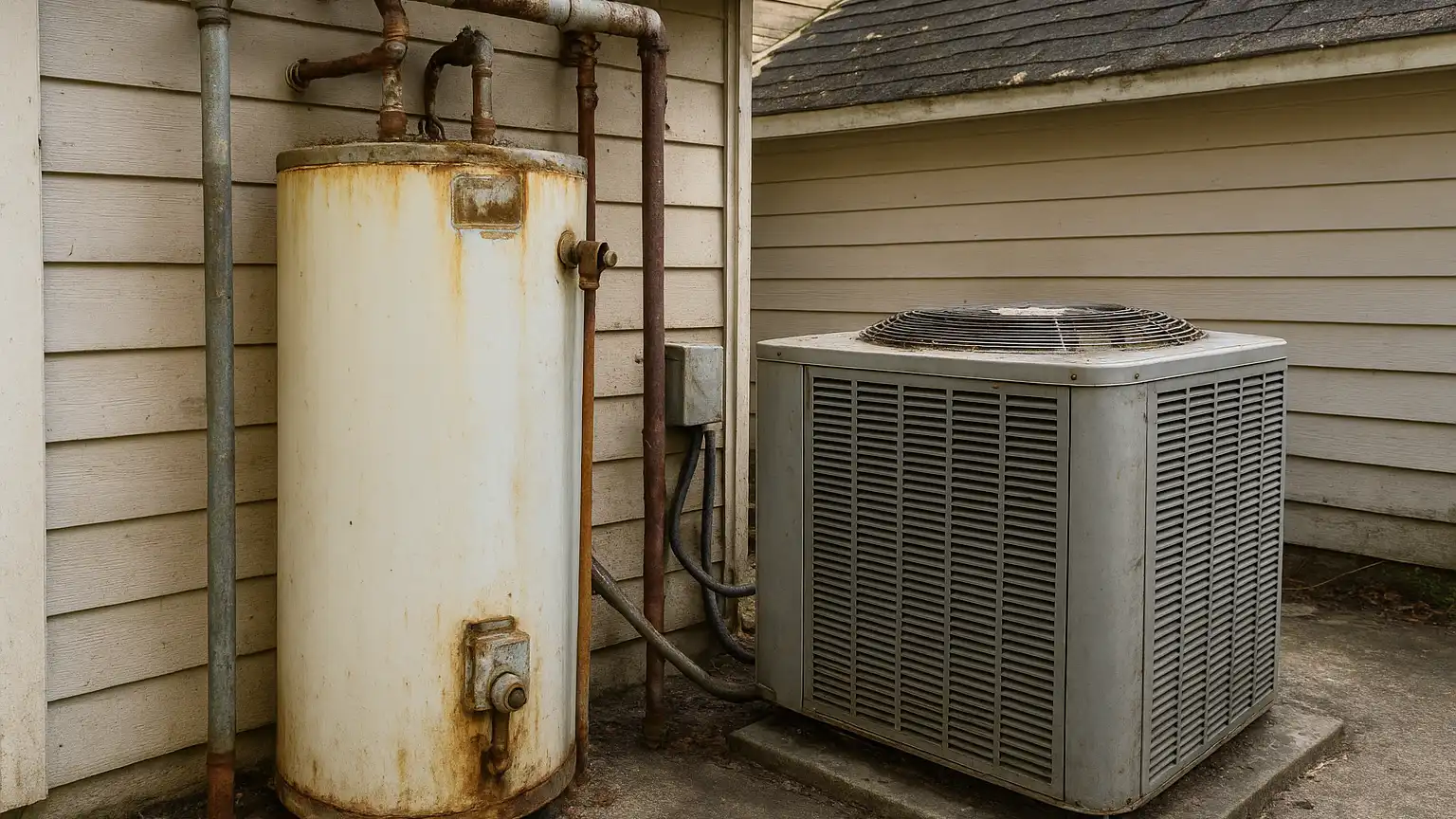
New homes feel worry free. Nothing leaks, and the paint is fresh. That is exactly why this circuit gets skipped. But builder warranties often cover workmanship for only about a year. After that, every surprise is yours to pay.
A common rule is to save 1% to 2% of your home's value each year for upkeep. On a $450,000 home, 1% works out to about $375 a month. A brand new build may need less at first, but the savings pile up for the water heater, roof and HVAC repairs that come later.
"New owners who fund maintenance from day one almost never touch their emergency savings for the house," says Daniel Brooks, senior wealth advisor at Zenith Investment Management. "The money is waiting before the problem shows up."
Keep this fund in its own high-yield savings account, set to auto-transfer on payday. Then put a reminder on your calendar for month 11 so you can do a full warranty walkthrough while repairs are still free.
Investments That Grow While You Unpack
For months, a big chunk of your income went toward the build. Down payment savings, upgrades, closing costs. That money now has nowhere to go, and it will drift into spending unless you give it a job right away.
Split that freed-up cash on purpose. Raise your workplace retirement contribution by a few percent. Set a monthly transfer into an index fund or IRA. If you like the idea of owning your home sooner, add a small extra principal payment to your mortgage autopay. Each one is a quiet circuit that keeps building value in the background.
This is the same reset you began before the foundation was poured, just running on its own now. Check in after 30 days, adjust the amounts, and then leave it alone.
The House Is Built. Now Your Wealth Gets Its Turn.
The journey started with seeing the build as a rare chance to reset your money. It moved through getting your credit, debt and cash flow ready for a lender. It ends here, on move-in week, with bills on autopay, a repair fund growing quietly and investments taking the place of build costs.
Your home was never meant to be the finish line. It is the base you build everything else on. Flip these switches once, label them well, and give them a quick check each season. Years from now, you will own more than a house. You will own a system that kept working long after the last box was unpacked.
Name your accounts like rooms. Label your savings accounts "Roof and HVAC," "Emergency" and "Future Projects" in your banking app. Clear names make you far less likely to raid them for a weekend splurge.
It also makes the quarterly check-in faster, since you can see at a glance which circuit needs more power.
Watch your escrow after year one. Property taxes on a new build often jump once the finished home is assessed. That can raise your mortgage payment with little warning.
Add an extra $50 to $100 a month to your house account during year one. If your escrow goes up, you are covered. If it does not, move the extra into your repair fund.
Shop your insurance again at renewal. Many new owners pick a policy fast just to close on time. Once you have lived in the home for a year, get two or three fresh quotes.
Newer roofs, modern wiring and smart leak sensors can earn real discounts. Send any savings straight into your investment transfer so the win keeps compounding.