
What Your Window Quote Isn't Telling You Yet
The lowest window bid often hides seven costs that appear later. See which line items go missing and how to compare quotes fairly before you sign anything.
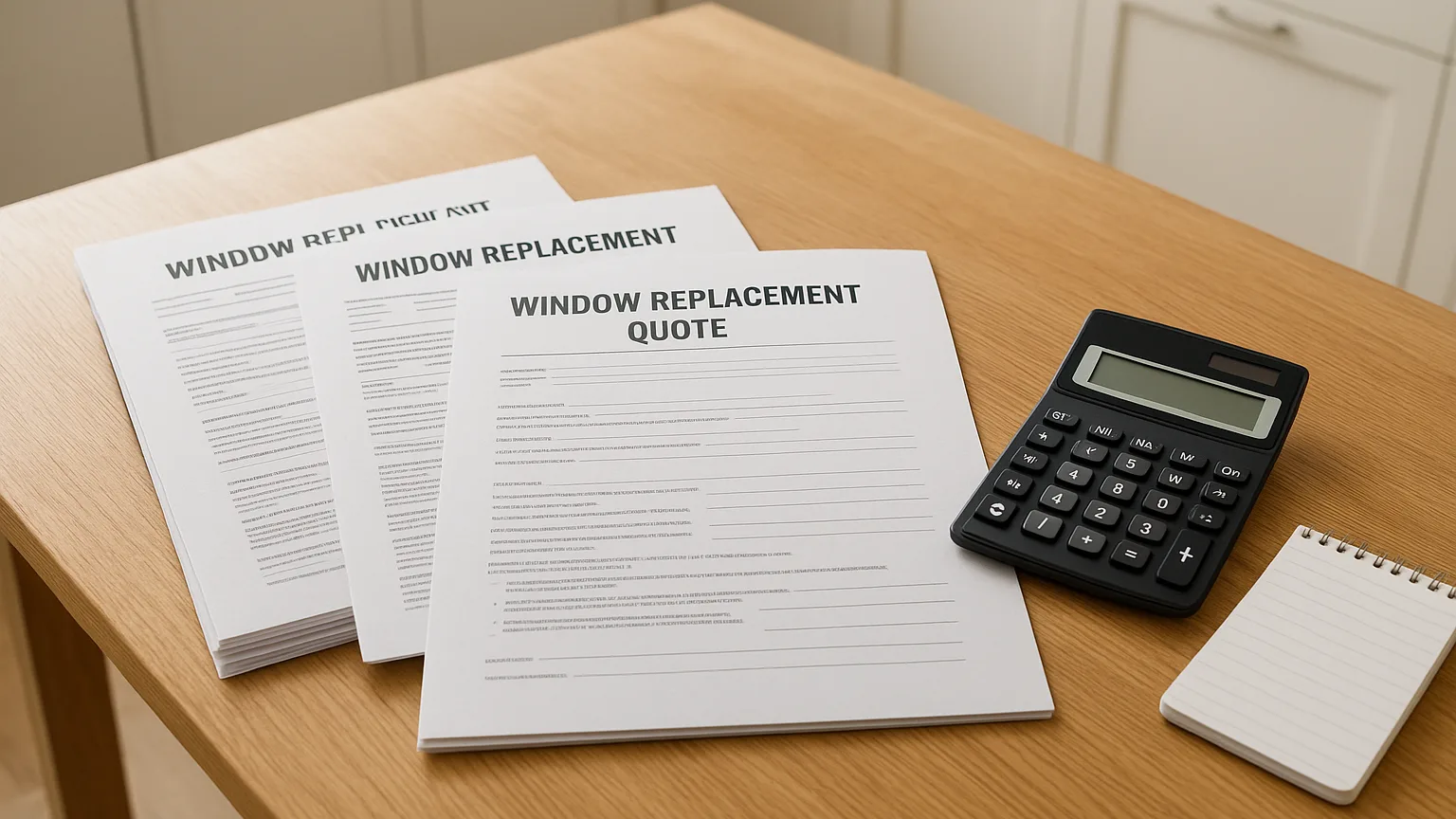

The most expensive window quote you'll ever get is the cheap one that's missing three pages. It looks great on the kitchen table. Then the old frames come out, and the price starts climbing.
Most window replacement bids are not dishonest. They are just incomplete. A contractor prices the windows and the basic labor, then leaves out the work that depends on what they find. That makes their number look lower than a competitor who priced the whole job.
So how much does window replacement really cost? For most homes, a standard vinyl replacement window runs about $500 to $1,200 installed. But the gap between a bare quote and a full quote can add $150 to $700 per opening. On a 12-window house, that can mean thousands of dollars you never planned for.
Think of a Quote Like a Receipt
A good quote reads like a receipt from a job that's already done. Every task has a line. If a line is blank, someone will pay for it later, and it's usually you. Spotting the seven red flags hiding in vague wording is step one. Step two is knowing which costs should be on the page in the first place.
Here are the seven line items that most often go missing.
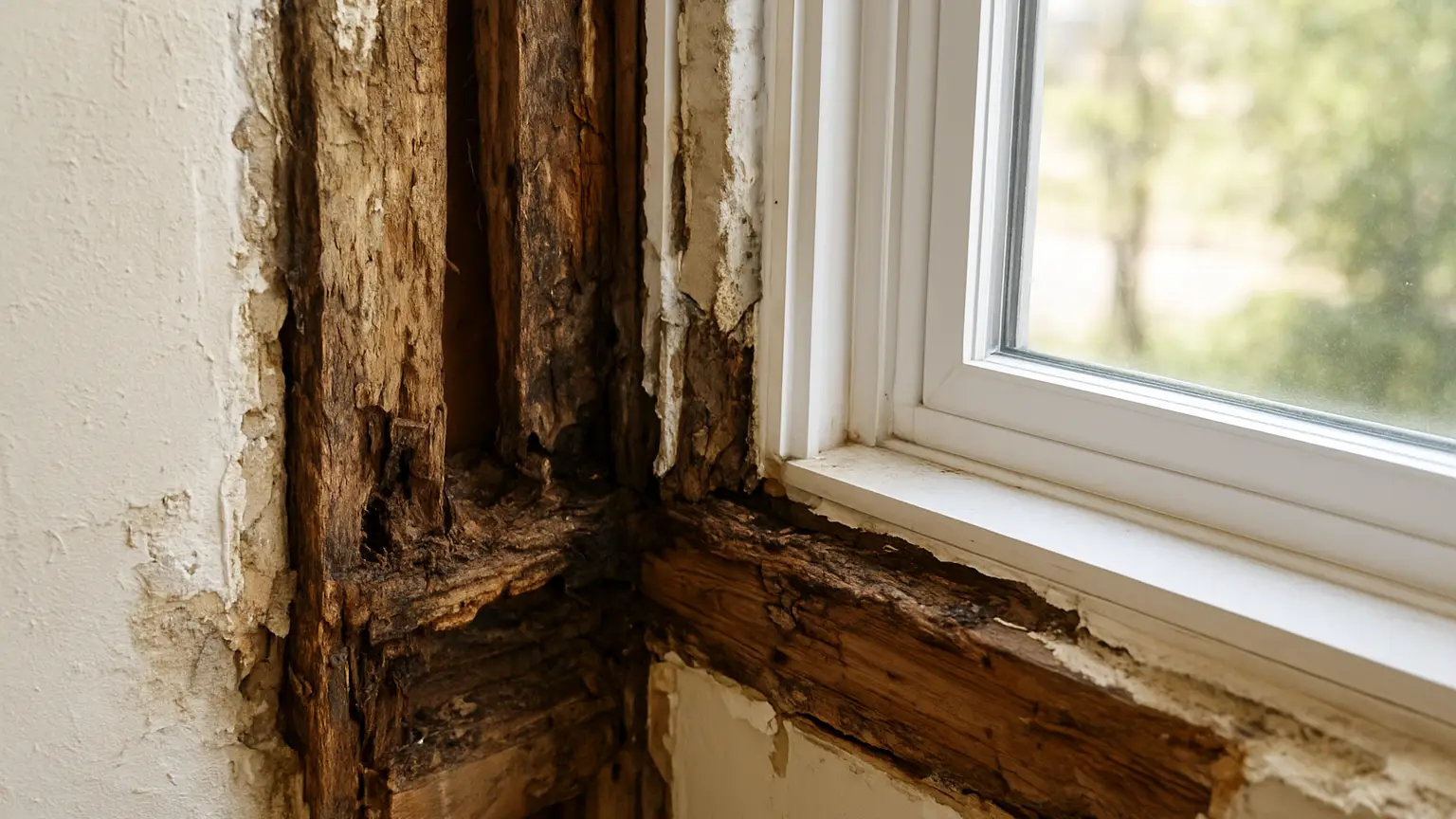
These first four are routine. Almost every job needs them. That is exactly why some contractors leave them off and treat them as "standard" extras.
1. Removal and Disposal of Old Windows
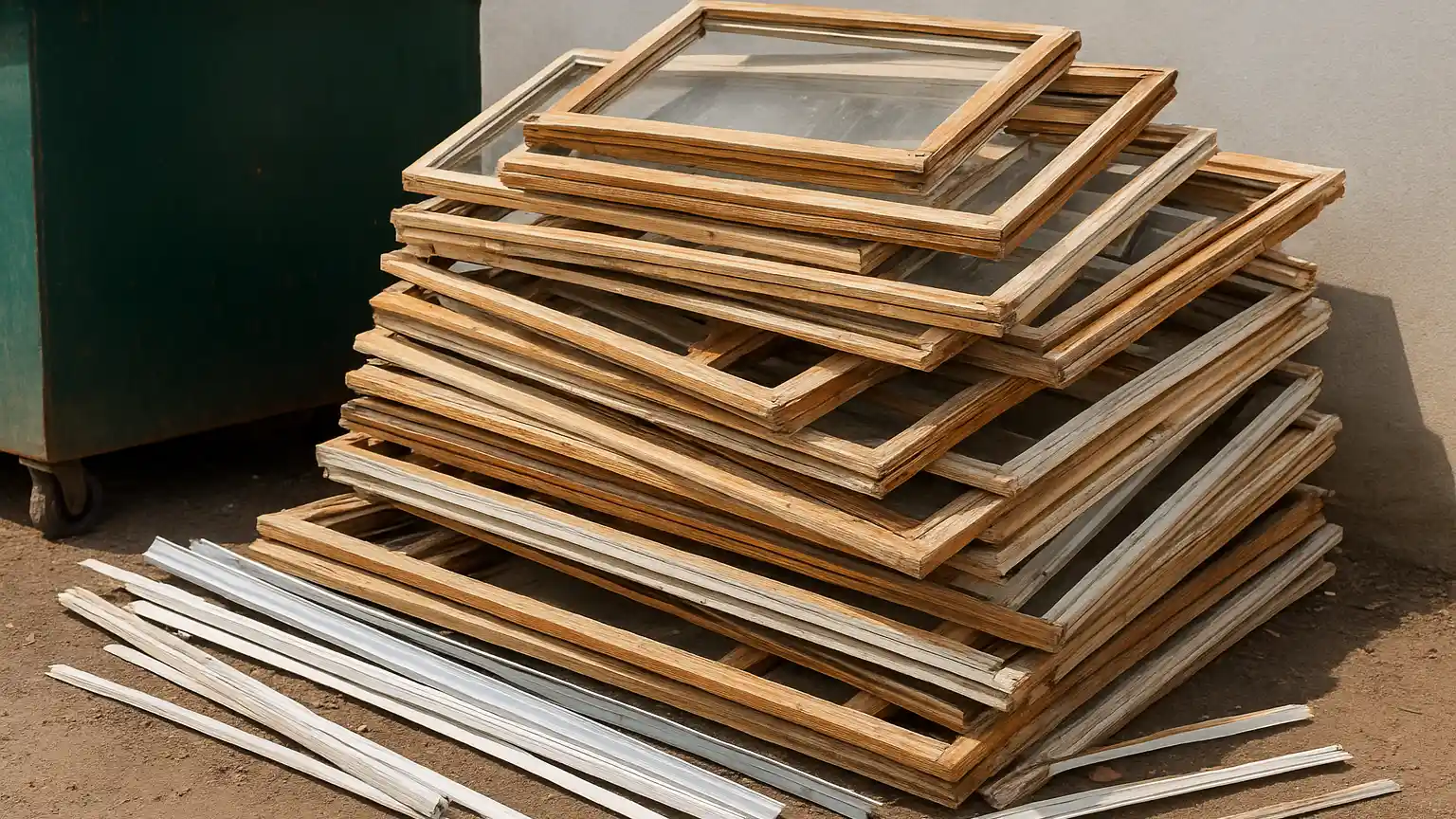
Old windows have to go somewhere. Hauling them off takes time, labor, and landfill fees. Some crews charge $15 to $50 per window. Others bill a flat dumpster fee of $200 to $500. If your quote doesn't say "removal and disposal included," ask. Otherwise, you may find a pile of old sashes stacked by your garage.
2. Exterior Trim and Aluminum Capping
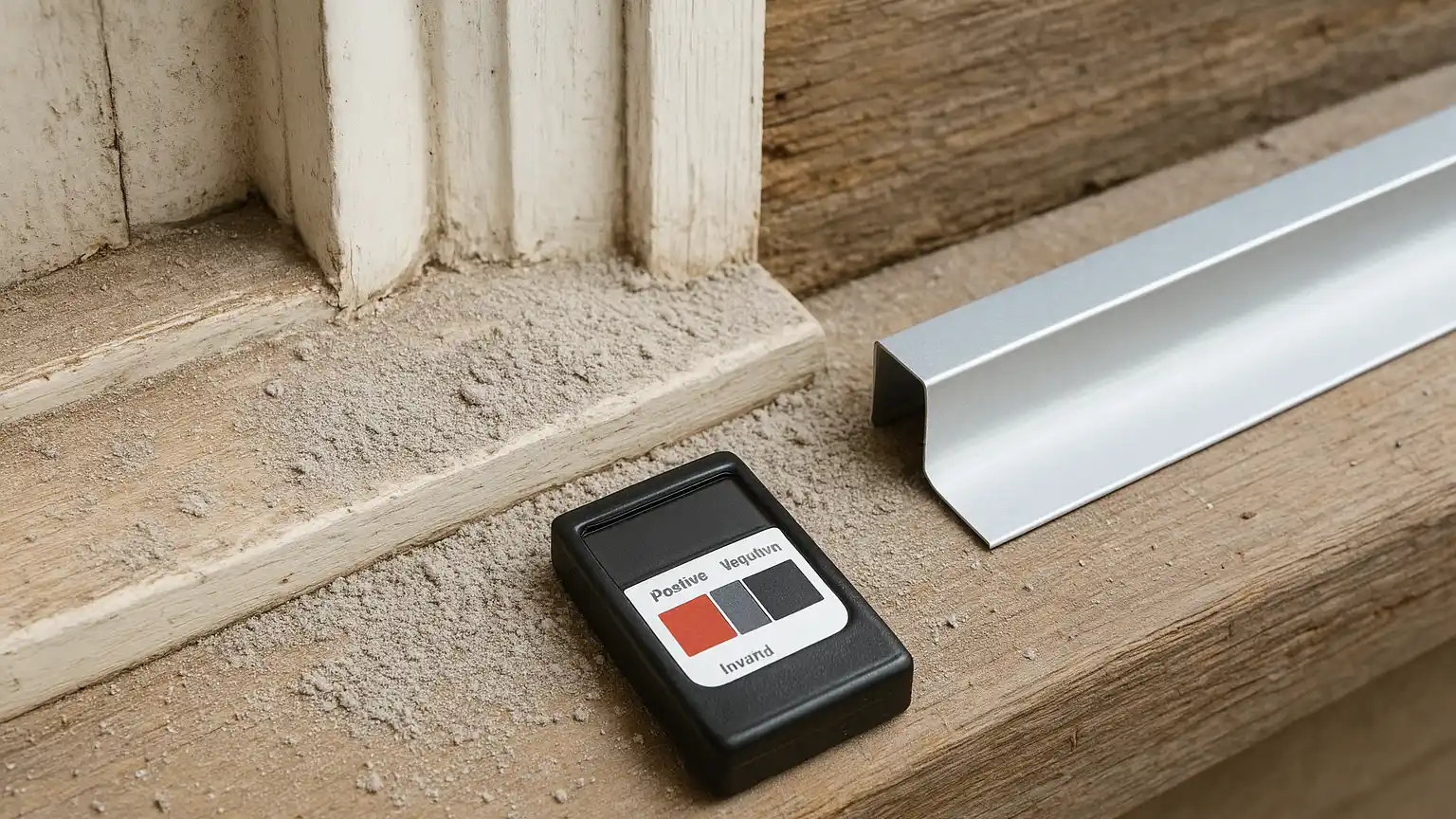
Once the new window is in, the outside frame often looks rough. Many installers wrap the old wood trim in bent aluminum, called capping. It protects the wood and gives a clean finish. Expect about $50 to $150 per window. Without it, bare wood stays exposed to sun and rain, and you'll be painting or patching it soon.
3. Interior Casing and Touch-Up
Inside, the trim around the window may crack or pull loose during removal. Replacing it costs roughly $75 to $250 per window. Paint and caulk touch-up is often extra too. Ask if the crew will reinstall your existing trim, replace it, or leave it for you.
4. Permits and Inspection Fees
Many cities require a permit for window replacement, especially if the opening size changes, a bedroom window must meet egress rules, or local code calls for wildfire-rated windows in high-risk areas. Permit costs range from about $50 to $500, depending on where you live.
- Ask who pulls the permit, you or the contractor.
- Ask if the fee is in the quote or billed separately.
- Ask who schedules and attends the inspection.
A contractor who says "you don't need one" without checking is a contractor to question.
The last three items swing the most. They can add a little or a lot. They are also the ones most likely to show up as a change order after the work begins.
5. Rot and Framing Repair
Nobody knows what's behind an old window until it comes out. Soft sills, water-damaged framing, and moldy sheathing are common in older homes, and where original metal frames are still sound, pricing steel window restoration first can be worthwhile. Repairs can run $150 to $1,000 or more per opening.
A fair contractor won't guess a fixed number. Instead, they'll list a per-hour or per-foot repair rate in the contract. That way, you know the price before they find the damage.
"We tell every homeowner up front what rot repair costs per linear foot, so nothing surprises them halfway through the job," says Marcus Delgado, senior installation manager at Affordable Windows. "If a bid has no repair rate at all, that's not a lower price. It's an open tab."
6. Lead-Safe Work Practices
If your home was built before 1978, the paint around your windows may contain lead. Federal rules require certified contractors to follow lead-safe practices. That means plastic sheeting, special cleanup, and careful disposal. These steps add about $25 to $100 per window, or a few hundred dollars per job.
A quote that skips this on an older home is a warning sign. Either the cost is hidden, or the crew isn't following the rules.
7. Upgrade and Option Fees
The base window in an ad is rarely the one you end up buying. Small choices add up fast:
- Low-E or triple-pane glass: $50 to $200 per window
- Tempered glass near doors, tubs, or floors (often required by code): $100 to $300
- Grids or grilles: $50 to $200 per window
- Exterior colors other than white: often 10 to 15 percent more
- Custom sizes or shapes: varies widely
How to Compare Bids Apples to Apples
Here's a simple way to level the field. Make a list with seven rows, one for each item above. Then put each contractor's quote in its own column. Mark every row as "included," "extra with a price," or "not mentioned."
Any row marked "not mentioned" is a question. Call or email the contractor and ask them to add a price. Once every blank is filled in, add up the real totals. The cheapest bid often drops to second or third place, and the gap tends to be smallest with top-rated Valley installers, who usually price the full scope from the start.
Questions That Fill the Gaps
- Is removal and disposal included in this price?
- Will you cap the exterior trim, and what does it cost?
- What happens to my interior trim?
- Who pulls and pays for the permit?
- What is your rate for rot repair?
- Are you lead-safe certified, and is that cost included?
- Which glass and options are in this price, window by window?
We talked with Priya Raman, an estimator at Keystone Exteriors, and she suggested one more step. Ask each contractor to sign their answers onto the quote itself. Verbal promises tend to fade once the crew is on site.


