
The Fine Print That Decides Your Window Project
Three bids, three totals, one catch. A line-by-line walkthrough of the window quote details first-time buyers almost always miss.
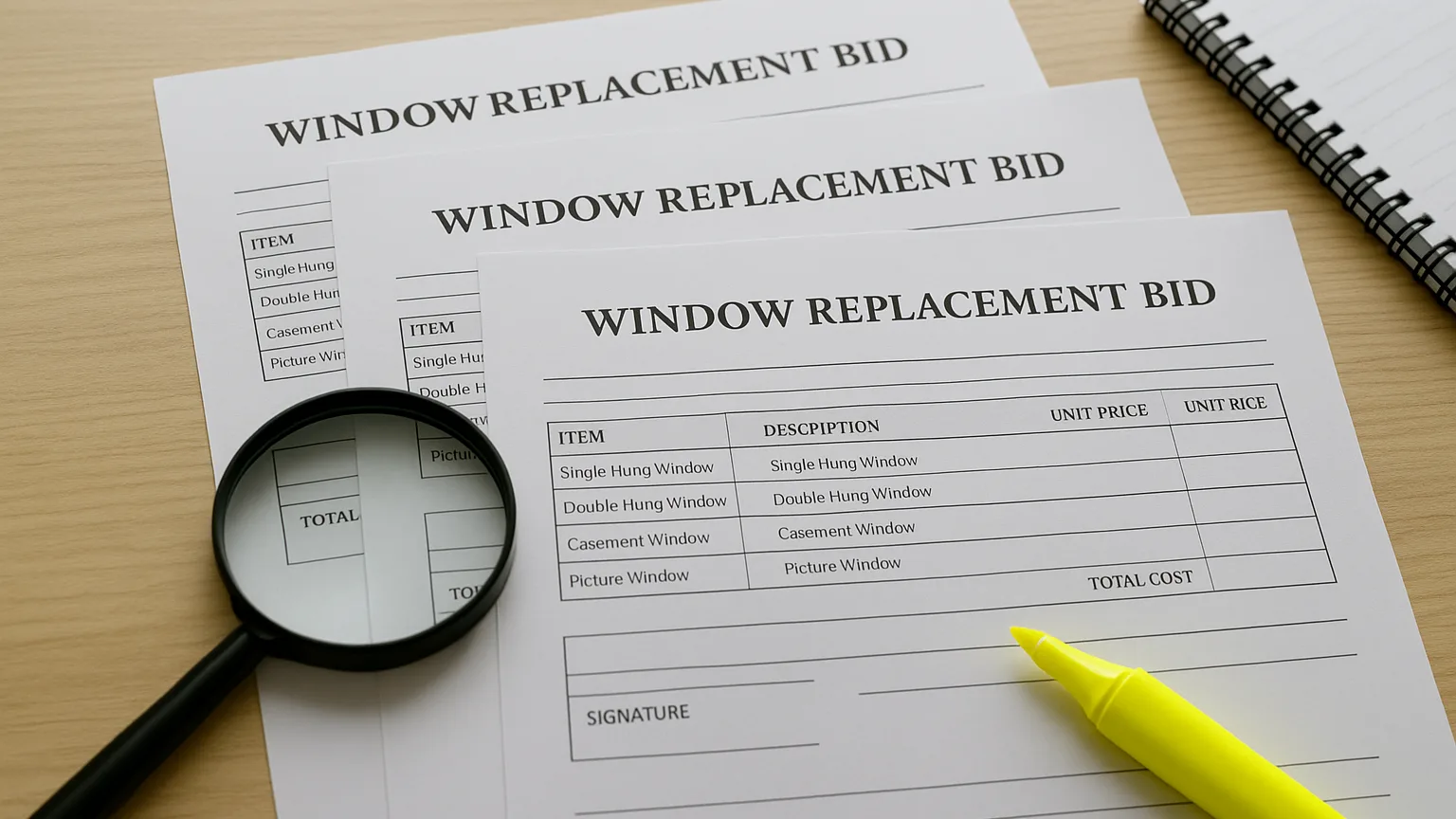

You asked three companies for a price on the same eight windows. One came back at $9,400. One at $14,200. One at $21,000. Same house, same openings, same week. That spread is not random, and it is not always about quality. Most of the time it is about what each company left off the page.
A window quote is a contract in waiting. Every blank space becomes a decision someone else gets to make later, usually after your walls are open. The cheapest bid often wins because it is the quietest one: it says less, promises less, and leaves the expensive parts for a conversation on day three. So read your bids like an inspector, not a shopper. Homeowners who compare notes on vetting installers in Arizona learn the same lesson: the paperwork tells you more about a crew than the showroom does.
Red Flag One: "Installation Included" With Nothing Behind It
Those two words hide the entire job. Installation can mean a clean full-frame replacement with new flashing, or popping an insert into a rotted opening and caulking over the gap. Both are "included."
A real scope names the method. It says insert or full-frame, and it lists interior and exterior trim work, insulation around the frame, flashing, caulk type, and who paints or stains. If the bid is one line and one number, you are not buying installation. You are buying a surprise.
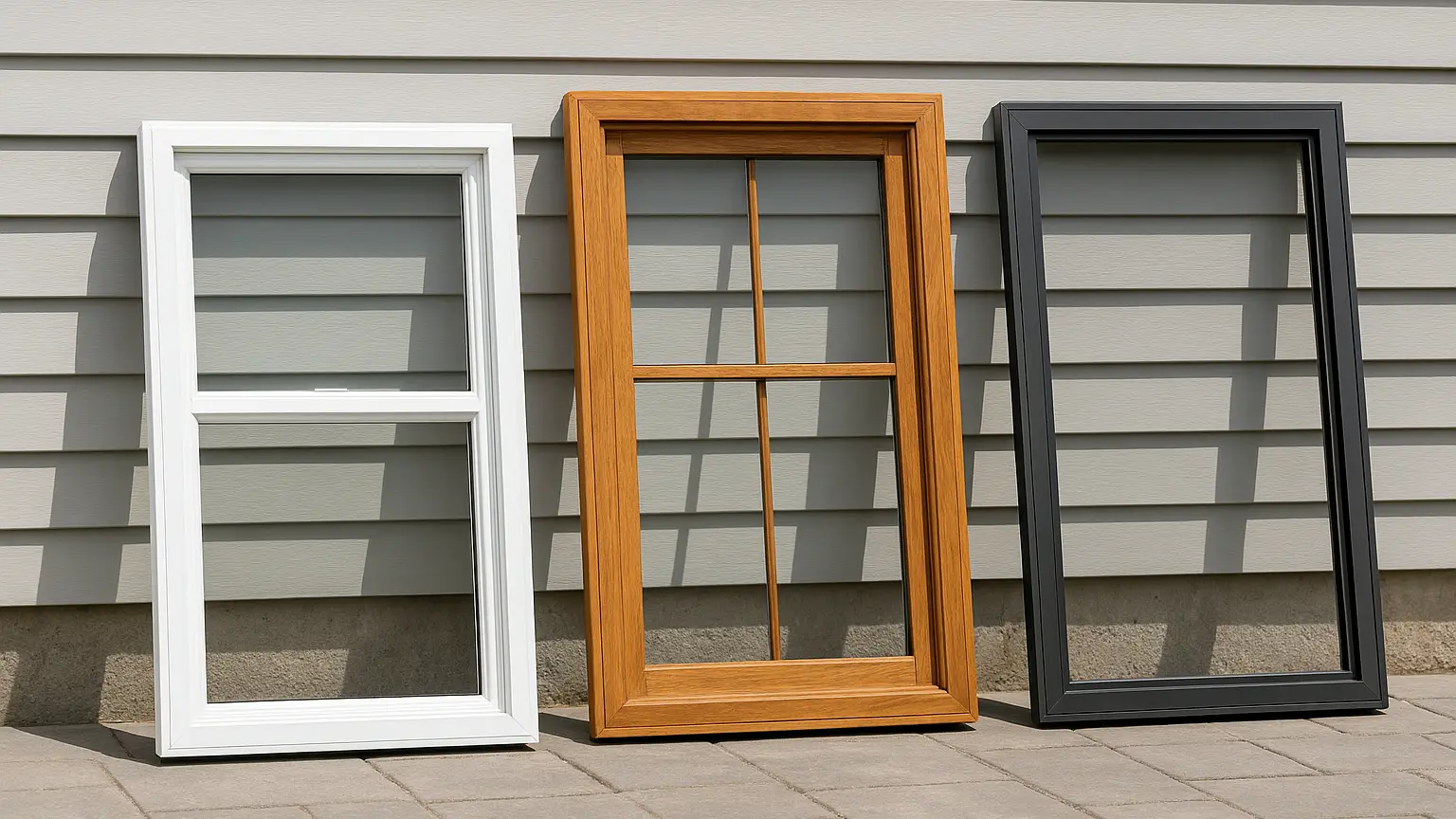
Some costs are not hidden through trickery. They are simply absent, because leaving them out makes a bid look leaner than the competition. You pay them anyway, just later and with less leverage.
Red Flag Two: No Word On Hauling Away The Old Windows
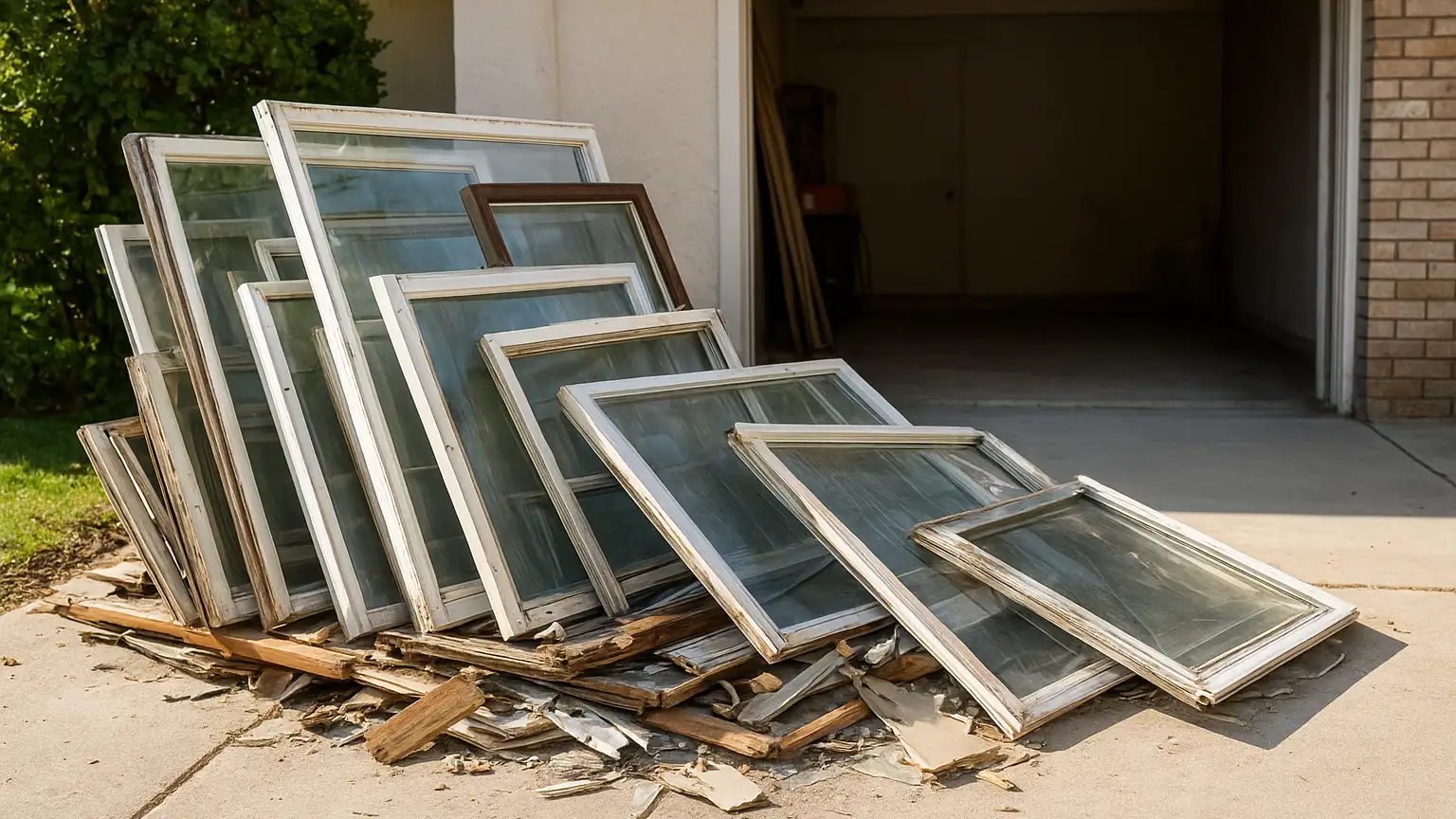
Eight old double hungs are heavy, sharp, and full of glass. Someone has to load them, dump them, and pay the tipping fee. If the quote never mentions debris removal, you may come home to a stack of frames against the garage and a crew already on the next job. Ask for the phrase "removal and legal disposal of all existing units and job debris" in writing.
Red Flag Three: Permits Pushed Onto You
Many towns require a permit for window replacement, especially when the opening changes size or when egress rules apply to a bedroom. A licensed contractor knows this. When a bid says permits are the homeowner's responsibility, or stays silent, ask why. Two reasons are common, and neither is good for you: the company wants to skip inspection, or it cannot pull a permit because it is not licensed in your jurisdiction.
Things worth seeing spelled out with dollar amounts, not vague promises:
- Permit fees and who files the application
- Disposal of old units, glass, and packaging
- Rot or sill repair rates per opening if damage is found
- Interior finish work such as drywall touch up and trim paint
- Exterior capping or wrap, by linear foot
- Screens, grids, and hardware finishes listed per window
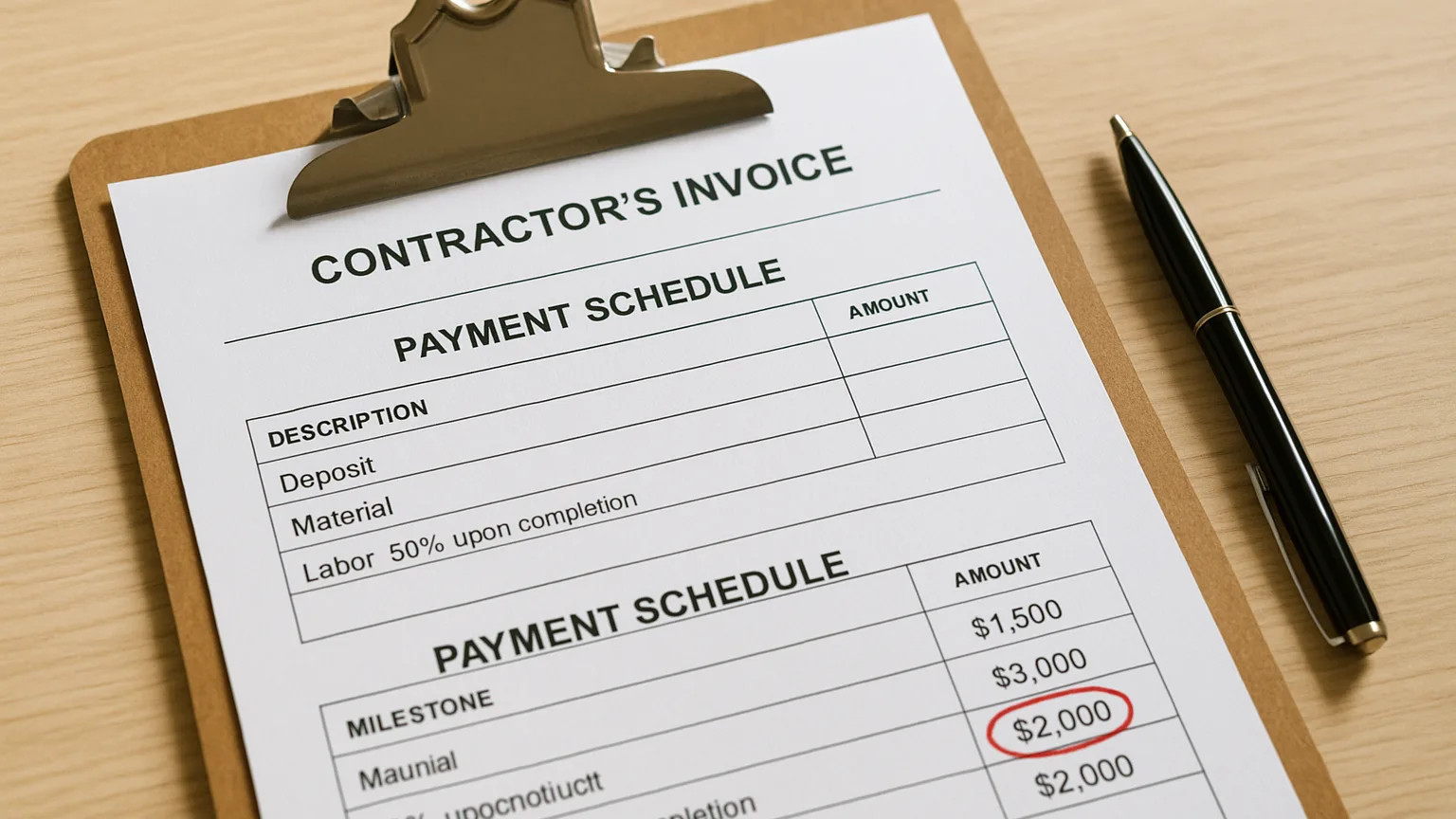
Money timing is where disappearing contractors reveal themselves. Custom windows do require a deposit, because the manufacturer builds to your measurements and will not take them back. The amount and the method are what matter.
Red Flag Four: A Deposit That Covers Everything
A deposit around a third of the project is normal. A demand for 70 percent, 90 percent, or the full amount before anything is ordered is not. Watch the payment method too. Cash, a personal check to an individual rather than a company, a payment app, or a wire transfer all strip away your ability to dispute the charge. A company with a real business account and a real supplier line does not need your money that fast.
Red Flag Five: A Payment Schedule Tied To Nothing
Healthy bids connect money to milestones: deposit at signing, a draw when the windows arrive and are verified, a final payment after the last unit is installed, operating smoothly, and inspected by you. Weak bids say "balance due upon delivery of materials" or "payments as billed." The first one means you can hand over nearly everything before a single window is set.
Check for dates, too. A start window, an estimated completion range, and a note about manufacturing lead time should all appear. "We will get you on the schedule" is not a date. Jordan Alvarez, a remodeling estimator who reviews bids for homeowners, puts it simply: a contractor who will not commit to a month will not commit to a morning.
Warranty Wording And Who Shows Up
The last two red flags live in the smallest type on the page, and they cost the most when the job goes sideways.
Red Flag Six: A Warranty That Only Covers Labor Or Only Covers Glass
Window warranties come in layers. The manufacturer covers the unit, the seals, and sometimes the glass. The installer covers the work. You need both in writing, with the term stated in years and the transfer rules explained if you sell the house.
Be careful with the word lifetime. Lifetime of what, and whose lifetime? Some labor warranties run one year, just long enough to get past the first winter. Others void coverage if anyone else touches the window, including a painter. Ask who registers the manufacturer warranty, because an unregistered unit can lose coverage before you ever notice a draft. Performance claims deserve the same scrutiny, since identical windows, different results is a familiar story when the spec sheet and the installation do not match.
Red Flag Seven: No License Number, No Insurance, No Named Crew
A legitimate quote carries the company's license number, a certificate of liability insurance, and workers compensation coverage. Ask for the certificate directly from the insurer, not a photocopy. Then ask who is installing. Many companies sell with staff and install with subcontractors. That is not automatically bad, but you deserve to know whether the warranty follows the sub or stays with the company that signed.
Finally, look for a change order clause: extra work requires your written approval and a stated price before it begins. Without it, "we found rot" becomes a blank check.


