
Summer break has a way of stretching long, especially by week three when the pool has lost its charm and the screen time limit has already been argued down twice. But there is a stretch of house projects sitting quietly around most homes that can turn restless energy into something useful. Small repairs, the kind that take fifteen minutes and one screwdriver, are a surprisingly good way to keep kids busy while teaching them things school never quite covers.
Most parents jump straight to yard work or dish duty when they want kids to pitch in. Those tasks matter, but they rarely teach anything beyond repetition. A repair job is different. It has a beginning, a middle, and an end. Something is broken, a kid figures out why, then fixes it, and the result is visible right away. That loop of noticing a problem, solving it, and seeing the outcome builds confidence faster than almost any other summer activity.
There is also a quieter benefit. Kids who learn to fix small things stop seeing a broken object as a dead end. A wobbly chair becomes a puzzle instead of trash. That mindset carries into schoolwork, sports, and eventually into adult life, where things break constantly and someone has to deal with it.
Not every repair belongs on a kid's summer list. The goal is picking jobs that are low risk, low cost if something goes wrong, and satisfying to finish. Here are a few that tend to work well across a wide range of ages.
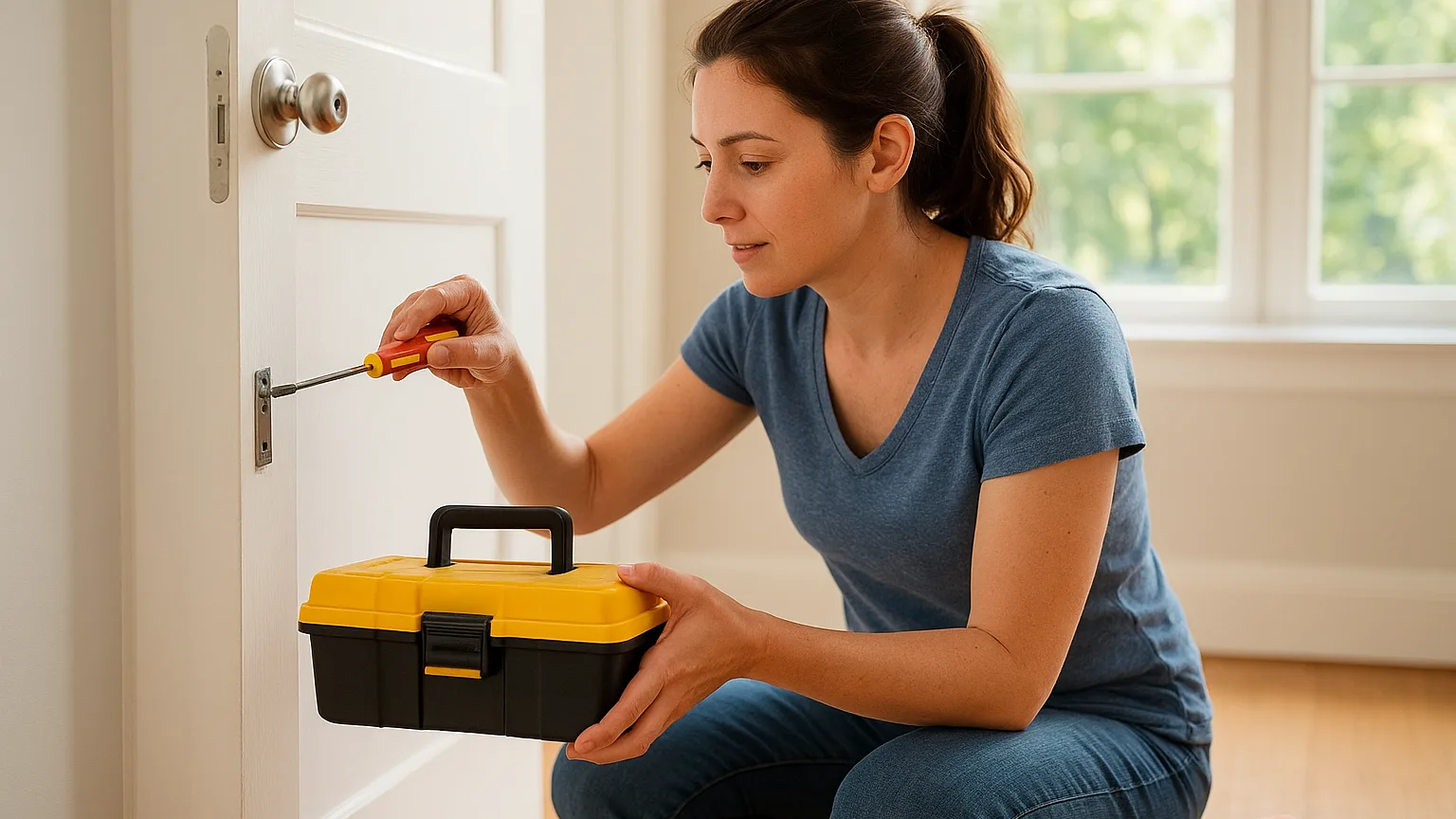
This one takes less than five minutes and teaches cause and effect almost instantly. A few drops of oil on the hinge pin, a couple of swings of the door, and the noise disappears. Kids get to hear the problem, apply a fix, and immediately test whether it worked.
Almost every kitchen has one drawer pull that wiggles more than it should. Tightening it with a screwdriver introduces kids to the basic idea that most household objects are held together by a handful of screws, and those screws loosen over time. It also teaches them the difference between a Phillips head and a flathead, which sounds small but comes up constantly later in life.
A chair or table leg that rocks is usually just a loose bolt or a felt pad that fell off. Fixing this teaches patience, since it sometimes takes a little trial and error to find the exact spot causing the wobble.
Screens that stick in their tracks often just need a light cleaning or a bit of silicone spray along the frame. It is a good introduction to the idea that maintenance prevents bigger problems down the road.
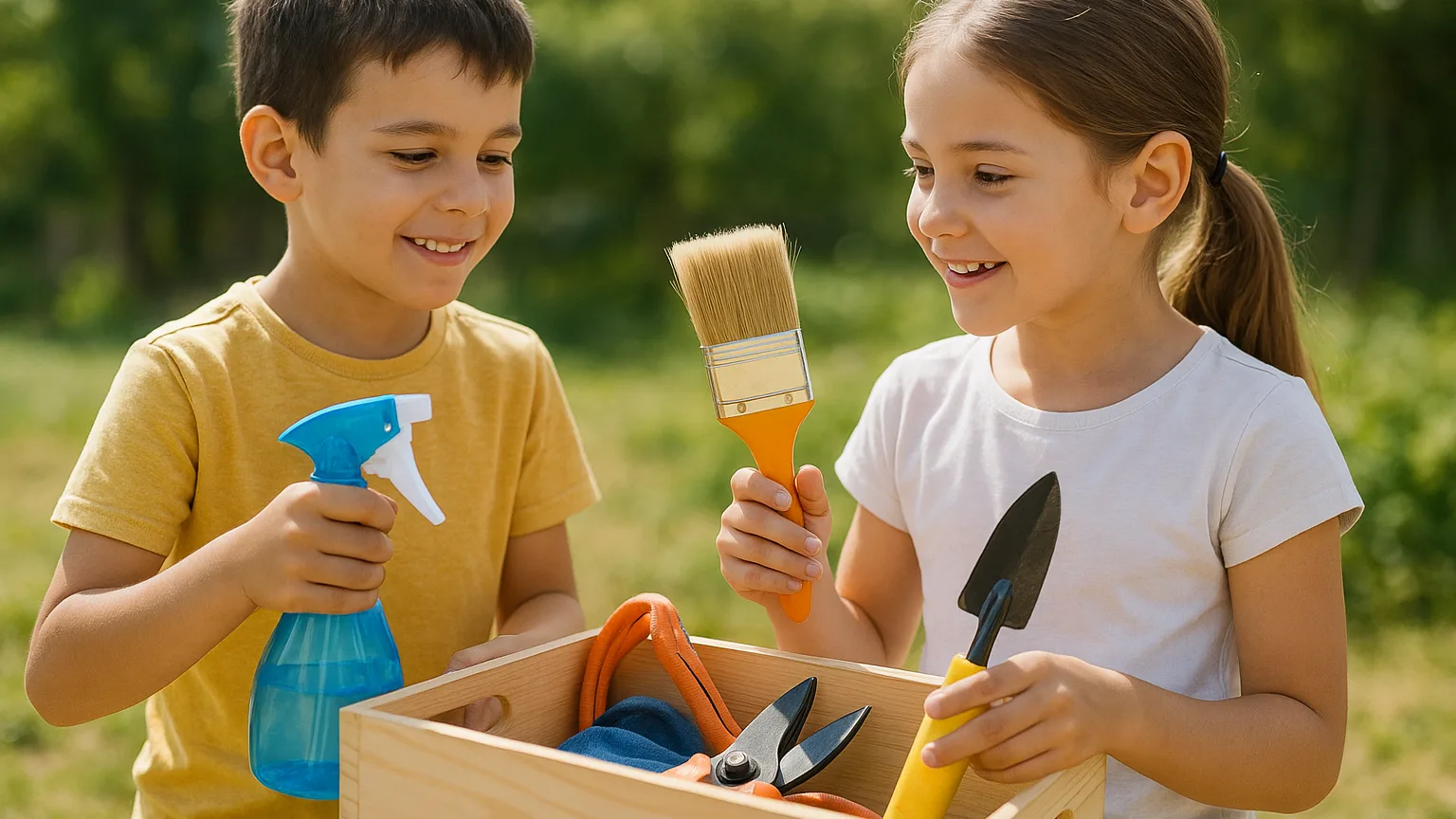
A short list of tools covers most of these jobs, and it is worth setting one aside just for the kids so they are not digging through the family toolbox mid-project.
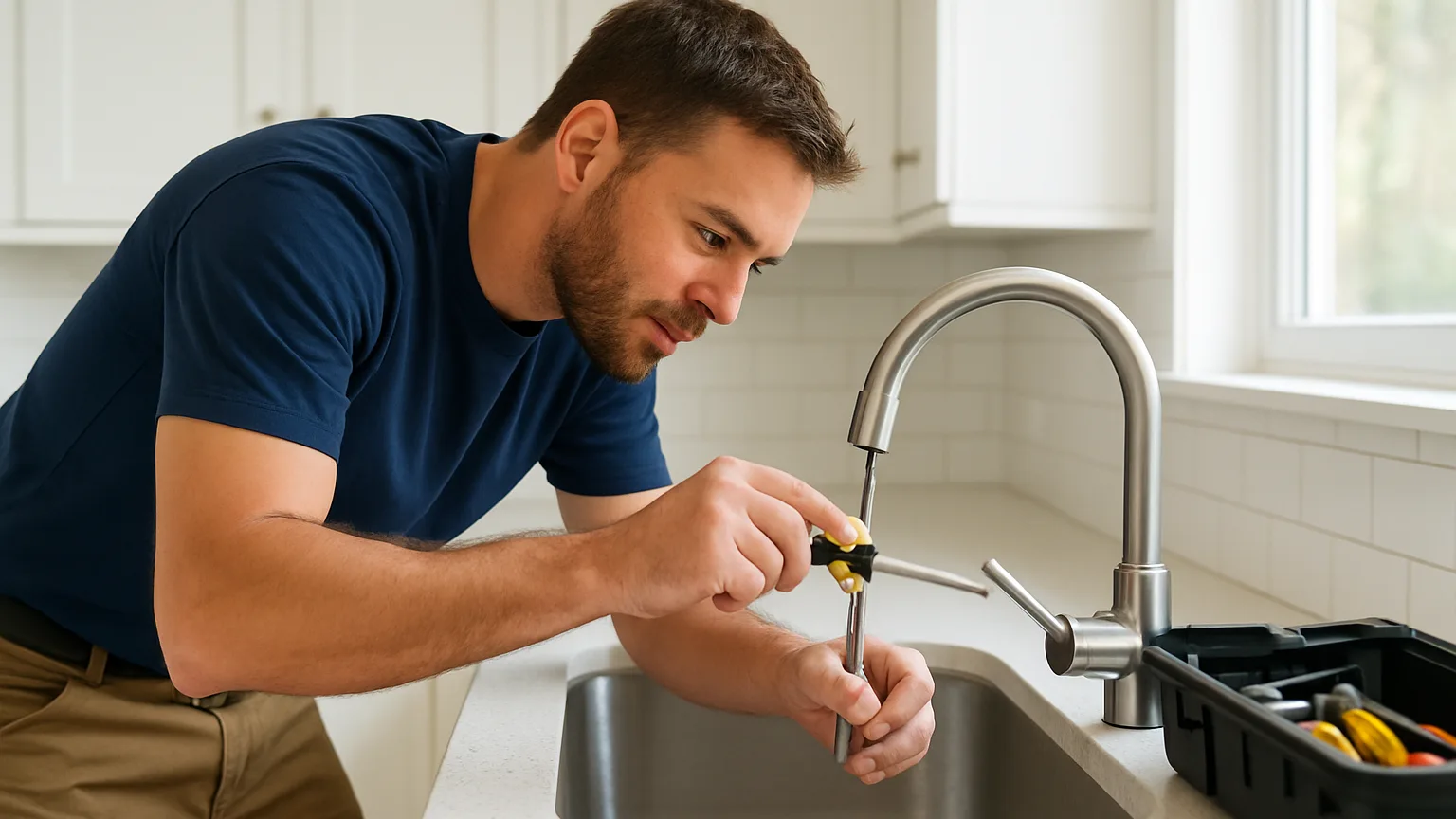
The kitchen and bathroom are full of small annoyances that make great starter projects because the stakes are low and the payoff is immediate.
These projects also open the door to a bigger conversation about how plumbing and hardware actually work, which most kids never think about until something breaks.
Not every lesson needs a bullet list. Some of the best outdoor fixes are slower, steadier work that teaches kids to sit with a task instead of rushing through it. Sanding down a rough patch on a wooden fence, repainting a chipped porch step, or resetting a loose paver stone in a walkway all fall into this category. These jobs cannot be rushed. Paint needs to dry. Sanding takes several passes before the surface feels smooth. A paver has to be leveled carefully or it will wobble again within days.
This kind of slow work matters because so much of childhood these days moves fast. Outdoor repairs force a different pace, and most kids end up more proud of the ones that took real effort than the quick five minute fixes indoors.
Before handing over a screwdriver, it helps to set a few ground rules. This is not about being overly cautious, it is about making sure the summer stays fun instead of turning into a trip to urgent care.
Not every kid is ready for the same task, and pushing a job that is too advanced tends to backfire fast.
Simple observation and light assistance works best here. Holding a flashlight, handing over the right screw, or oiling a hinge under supervision gives them a feel for the process without any real risk.
This age group can usually handle a screwdriver or wrench on their own with someone nearby. Tightening handles, fixing a wobbly chair, or cleaning a drain fits well here.
Teens can often manage caulking, minor painting, adjusting a toilet flapper, or even helping swap out a cabinet hinge with much less supervision. Some are ready to tackle a small project almost start to finish on their own.
The value in these projects goes beyond the repair itself. Kids who spend a summer fixing small things around the house tend to walk into their teenage years with a different relationship to problems in general. They are less likely to panic when something breaks and more likely to ask what is actually wrong before assuming it needs to be thrown out.
"The kids who grow up doing small repairs at home end up being the adults who call us for the bigger jobs but actually understand what we're talking about," says Marcus Reilly, lead technician at Handy Squad Home Services. "They ask better questions and they are not afraid of the toolbox. That confidence starts young, usually with something as small as fixing a squeaky door."
That kind of comfort with tools and troubleshooting does not need to come from a formal class or a summer camp. It comes from a parent handing over a screwdriver and saying, "let's see if we can fix this together."
The way a repair is introduced matters almost as much as the repair itself. Framing it as "help me fix this" instead of "go do this" changes how a kid approaches the task. Some families keep a running list on the fridge of things around the house that need attention, and kids can pick which one they want to tackle that week. Others turn it into a small challenge, timing how fast a squeaky hinge can go silent or keeping a before-and-after photo of a repainted fence post.
A little recognition afterward goes a long way too. Pointing out the fixed drawer to the rest of the family at dinner, or letting a kid explain what they did and why, reinforces that the work actually mattered. It was not busywork, it solved a real problem in the house they live in every day.
By the time school starts back up, a summer full of small repairs adds up to something bigger than a list of finished chores. Kids walk away knowing how a hinge works, why a chair wobbles, and what it feels like to solve a problem with their own hands instead of asking someone else to handle it. That kind of confidence does not show up on a report card, but it shapes how they approach challenges long after summer break ends.
None of this requires a workshop full of tools or a background in construction. It just takes a few broken things around the house, a little patience, and a willingness to let a kid try, mess up, and try again. That combination, more than any camp or class, is what actually builds a skill worth keeping.