
The Bathroom: Small Repairs With a Bigger Lesson About Water
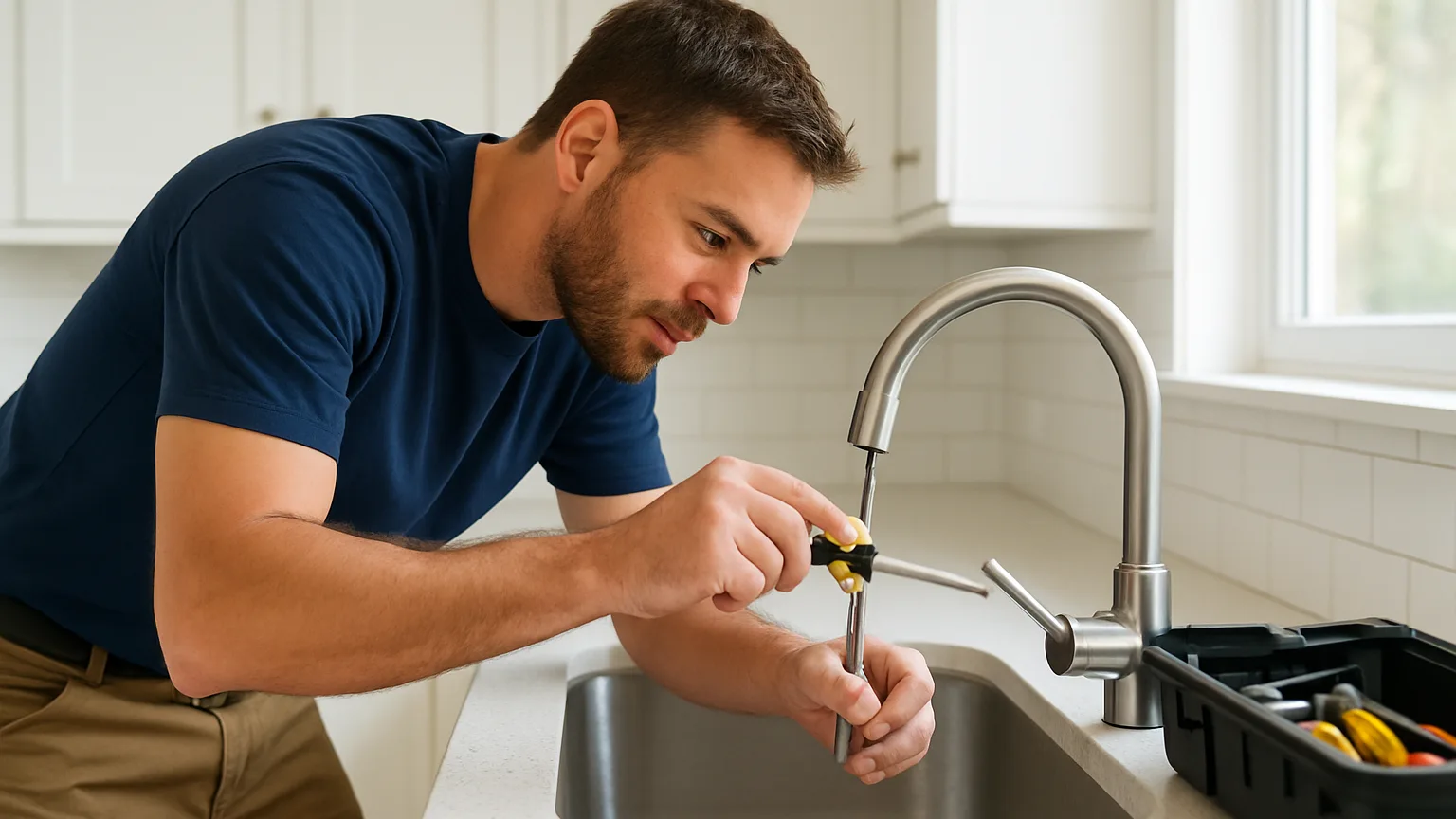
Bathrooms introduce a slightly different skill set because water is involved. This is where kids start learning why a wrench and a screwdriver are not interchangeable, and why turning off a water valve matters before touching anything.
Age-Appropriate Bathroom Fixes
- Tightening a loose toilet paper holder or towel bar
- Replacing a worn shower curtain ring or rod bracket
- Cleaning a slow drain with a simple drain snake tool
- Re-caulking a small section of baseboard trim under supervision
- Tightening a loose faucet handle with an adjustable wrench
Supervision matters more here than in other rooms. Anything involving water lines should be a "watch and help" task rather than a solo one until a child is older and has practiced with a parent nearby several times.
The Garage and Outdoor Spaces: Bigger Tools, Bigger Confidence
Once a kid has built up steady hands and good habits indoors, the garage is a natural next step. This is where a real toolkit starts to shine, and where kids often feel proudest of their work because the results are visible.
Good garage and outdoor tasks include oiling a squeaky gate hinge, tightening loose fence boards, patching small holes in a garden hose, and organizing a pegboard or tool wall. These jobs teach measurement, patience, and the satisfaction of a fix that holds up outside where weather tests everything. For a broader look at pacing these outdoor projects across a whole summer, Tiny Toolbox Summer: Home Fixes That Teach Real Skills lays out a helpful timeline.
What Belongs in a Starter Toolkit
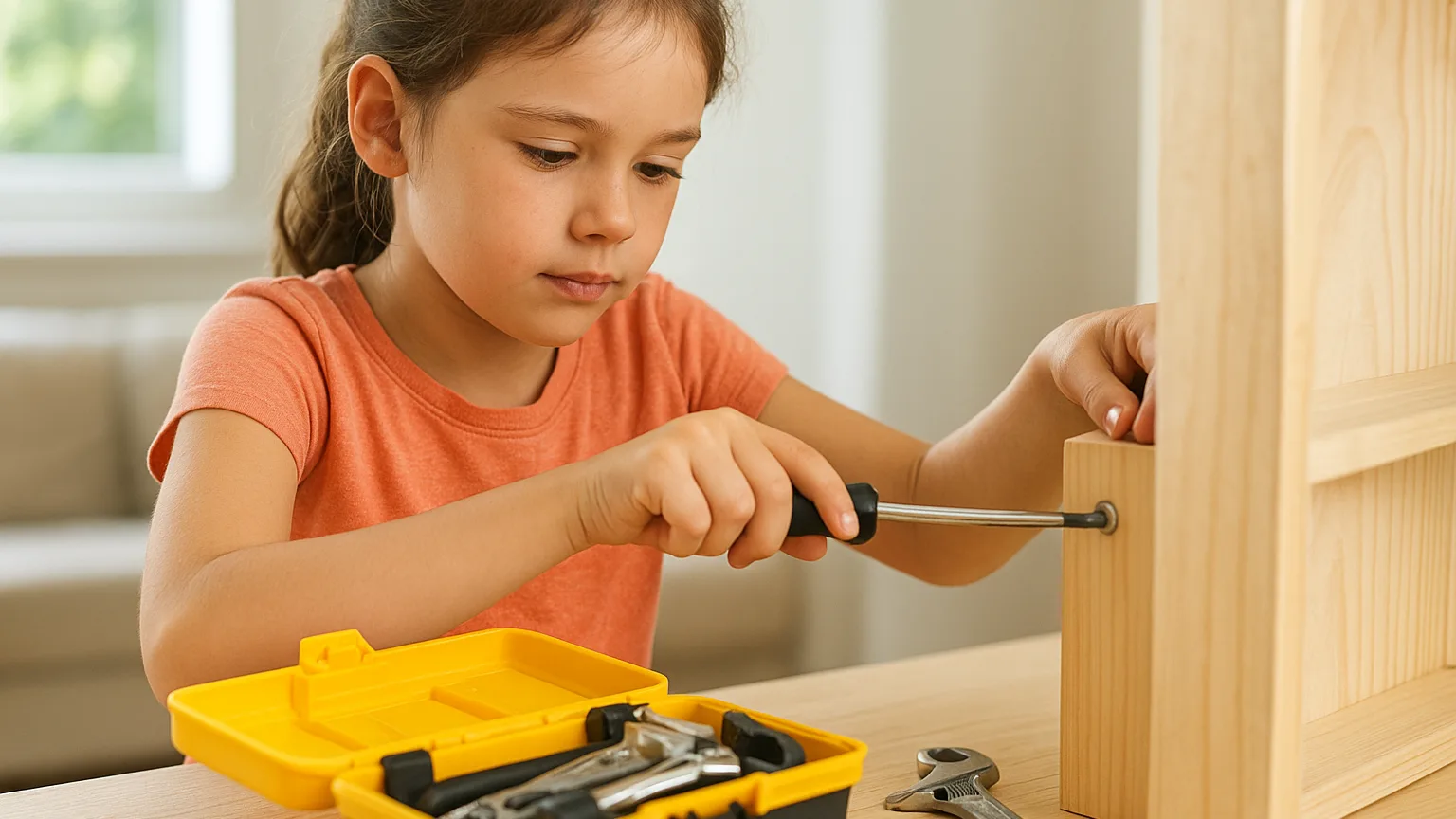
- A mid-size screwdriver set with both flathead and Phillips tips
- A small adjustable wrench
- A rubber mallet for gentle tapping without damage
- A tape measure with large, easy-to-read numbers
- Work gloves sized for smaller hands
- Safety glasses that actually fit a child's face
Avoid anything with a cord or a battery pack for the first year. A hand-powered toolkit builds control and confidence far faster than a drill ever will, and it removes most of the safety concerns that come with power tools around younger kids.
A Summer Well Spent, One Small Fix at a Time
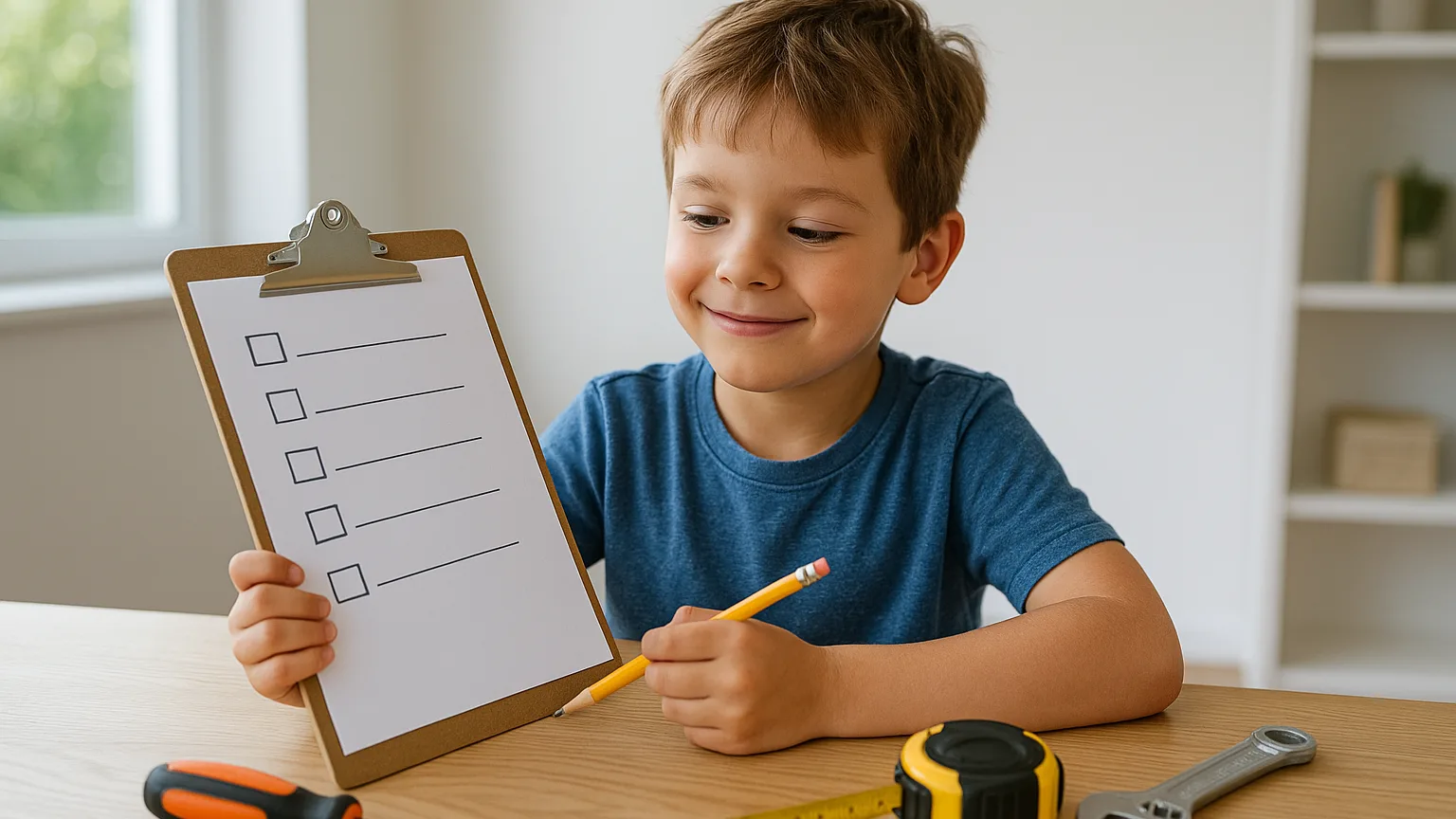
By the time August rolls around, a kid who has worked through even half of this checklist will look at a wobbly chair or a sticky drawer completely differently. They will not see a problem that needs an adult. They will see something they already know how to fix, and that shift in thinking is worth far more than any single repair. The rooms of your house stop being places where things just happen to them and become places where they can actually solve something with their own two hands.
None of this requires a big budget or a complicated plan. It just takes a basic toolkit, a bit of patience, and a willingness to let a kid struggle with a stubborn screw for an extra minute before stepping in. Start with one room, let them finish it fully, and let the confidence carry into the next one. By the end of the summer, you will not just have a house with fewer squeaky hinges. You will have a kid who understands their own home a little better than they did in June.
For more on this, see Handy Squad Home Services.
Related reading: Mini Framers: A Backyard Birdhouse Carpentry Lesson.
Related reading: Little Hands, Big Path: A Summer Paver Project for Kids.